
West Toledo Branch Library

Background & History
Historical context and known paranormal claims surrounding West Toledo Branch Library.
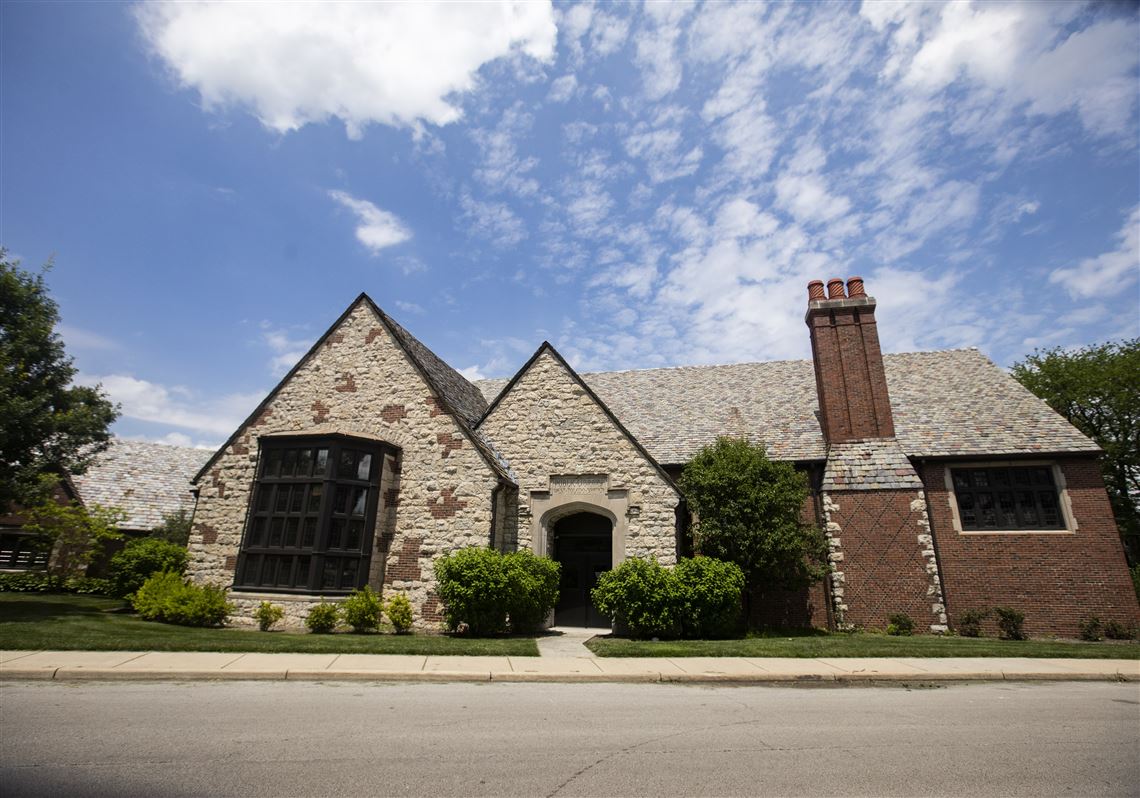
Sitting on Sylvania Avenue in the west side of Toledo, Ohio, the West Toledo Branch Library doesn't look like a place that holds onto things. It's a Tudor-style brick building, modest and well-kept, with architectural details that speak to the civic ambition of 1930 — the year it first opened its doors to the neighborhood it would come to define. The surrounding community eventually took its identity from the building entirely. Today the area is known simply as Library Village, a name that says something about how deeply a public institution can root itself in a place over the course of nearly a century.
The library was designed by the Toledo architectural firm of Gerow and Conklin and opened as part of the Toledo-Lucas County Public Library system's expansion during the late 1920s and early 1930s. It served a growing residential neighborhood on the western edge of the city, providing access to books, community gathering space, and the kind of quiet civic anchor that branch libraries represented in that era. The building's Tudor detailing — brick facades, arched entryways, and interior features including a notable fireplace along the west wall — gave it a warmth and permanence unusual for a municipal branch facility. It was built to last, and it has. Remodels in 2001 and again in 2014 expanded the footprint and updated the interior while deliberately returning the structure to its original 1930s architectural character.
Unlike locations defined by violence or institutional suffering, the West Toledo Branch carries the weight of ordinary time. Decades of daily community life have passed through its doors — children learning to read, neighbors gathering, the rhythms of a working-class Toledo neighborhood running quietly in the background. The building has outlasted the era that built it, the architects who designed it, and several generations of the community it was built to serve. What remains is a structure that has absorbed more than ninety years of human presence, and the particular quality of stillness that old public buildings develop when the people have gone home for the night.
The paranormal history of the library centers on the area near the west wall fireplace — the building's most architecturally distinctive interior feature and, according to those who have reported experiences there, its most active. The fireplace anchors the original reading room, a space that has remained largely consistent across the building's various renovations. It is here that visitors and staff have reported unexplained noises, bumping sounds, and the presence of an unidentified male figure, believed to date to around 1940 — roughly a decade after the building first opened. No specific identity has been attached to him, and no documented incident from that period has been publicly connected to the claims. He is simply described as a man, seen and sensed near the fireplace, in a building he appears reluctant to leave.
Reports associated with the library are quiet in nature, consistent with the setting. This is not a location known for dramatic manifestations or aggressive energy. What gets reported here tends toward the subtle — sounds without sources, the sense of a presence in a room that should be empty, the particular feeling that something in the building is paying attention. Whether that registers as unsettling or simply atmospheric likely depends on the person experiencing it. Public libraries, especially older ones, have a way of feeling inhabited even when they aren't. The West Toledo Branch, with its original bones intact and its fireplace still standing, leans into that quality.
Skeptics will note that a ninety-year-old brick building produces sounds, that heating systems tied to original fireplaces behave unpredictably, and that the power of suggestion in a building with a known ghost story is considerable. These are reasonable observations. The claims here are modest, and no one has presented documentation that rises above personal account and local reputation.
What the West Toledo Branch Library offers is something quieter than the dramatic paranormal hotspots that draw large investigation teams and television crews. It is a neighborhood institution with a long memory, a beloved community anchor that has stood in the same spot through wars, economic shifts, and the transformation of the city around it. The man reportedly seen near the west wall fireplace — whoever he was, whenever he lived — chose a place that has always welcomed people in and kept them comfortable. For a haunt, there are worse choices than a library that a whole neighborhood named itself after.
library
Toledo, Ohio
Lucas County
February 26, 2026
Open
People Also Searched For
You Might Also Like

The Commodore Perry Building stands as a testament to downtown Toledo's architectural heritage and the city's identity as a center of commerce and culture during the twentieth century. Constructed during the early twentieth century, the building represents the ambitious construction efforts that cha… read more
Toledo, Ohio · residence
The Oliver House opened its doors in 1859 as Toledo's first grand hotel, an establishment designed to accommodate the traveling professionals, businesspeople, and dignitaries who increasingly passed through the city as it grew in commercial and industrial importance. With 171 rooms, the Oliver House… read more
Toledo, Ohio · cemetery
Collingwood Arts Centre occupies a distinctive position in northwest Ohio paranormal history as the most consistently active and thoroughly investigated haunted building in the region, its paranormal phenomena attracting sustained professional and amateur investigation since documentation of the ini… read more
Toledo, Ohio · theater
Have you visited West Toledo Branch Library?
Share your paranormal experience and help other investigators decide if it's worth exploring.
Activity Breakdown
Types of documented activity recorded at West Toledo Branch Library, organized by category.
Visual Activity
Audio Activity
Reported Areas
Specific areas within West Toledo Branch Library where activity has been documented.
West Wall Fireplace
Fireplace Area
Known Entities
Entities, spirits, and figures that have been identified or reported at West Toledo Branch Library.
A ghostly man from the late 1930s to early 1940s
Photos
Images sourced from across the web and linked directly to the original host. Ghouler does not download or host these images, nor do we claim them as our own.
Investigator Reviews
Your trust is our priority, so no location can pay to alter or remove their reviews.
No reviews yet.
Be the first to share your experience at West Toledo Branch Library.
Find reviews useful? Help others by sharing your experience.
Documented Experiences
Paranormal reports and documented occurrences compiled for West Toledo Branch Library from archived sources and community investigators.
No documented experiences for West Toledo Branch Library yet.
Best Times to Visit
Based on investigator reports, these are the most active areas, times, and conditions reported at West Toledo Branch Library.
West Toledo Branch Library
Evening, Late Night
Equipment & Methods
Equipment and investigation methods reported by community investigators at West Toledo Branch Library.
Detection Equipment
What It Does
How to Use
Audio Equipment
What It Does
How to Use
Know Before You Go
Important details to help plan your visit or investigation of West Toledo Branch Library.
Unknown
Open
Not specified
Sources & References
Referenced materials and documentation supporting the West Toledo Branch Library case file.
Experience Glossary
Detailed descriptions of each type of activity documented at West Toledo Branch Library.
Apparitions
Definition
A reported visual sighting of a human-like or shadow-like figure without a physical source.
What People Report
Witnesses describe full-body figures, partial forms, or fleeting silhouettes appearing in hallways, doorways, or peripheral vision. These sightings are typically brief and may vanish when directly observed.
Unexplained Footsteps / Knockings
Definition
Clear sounds of footsteps, pacing, or knocking without a visible source.
What People Report
Often reported in empty upper floors, hallways, or sealed rooms, these sounds may follow distinct rhythms or patterns.
Unexplained Sounds
Definition
Unidentifiable noises such as bangs, growls, music, or movement occurring without environmental explanation.
What People Report
These sounds may be isolated or recurring and are frequently reported during periods of heightened activity.
Important Notices
Information in this case file is compiled from public sources and community reports. Accuracy cannot be guaranteed. Always verify details before visiting, and check with property owners and local or state authorities to confirm access is permitted.
Nearby Case Files
Explore Ohio
Browse by Haunt Type
Phenomena & Experiences
- Apparition reports
- Full-Body Apparition reports
- Shadow Figure reports
- EVP reports
- Disembodied Voice reports
- Unexplained Footsteps / Knockings reports
- Poltergeist reports
- Object Manipulation reports
- Cold Spot reports
- EMF Anomaly reports
- Intelligent Haunting reports
- Residual Haunting reports
- Sense of Presence reports
- Phantom Smell reports
- Electronic Disturbance reports