
Haunted Places in Toledo, Ohio
4 haunted locations
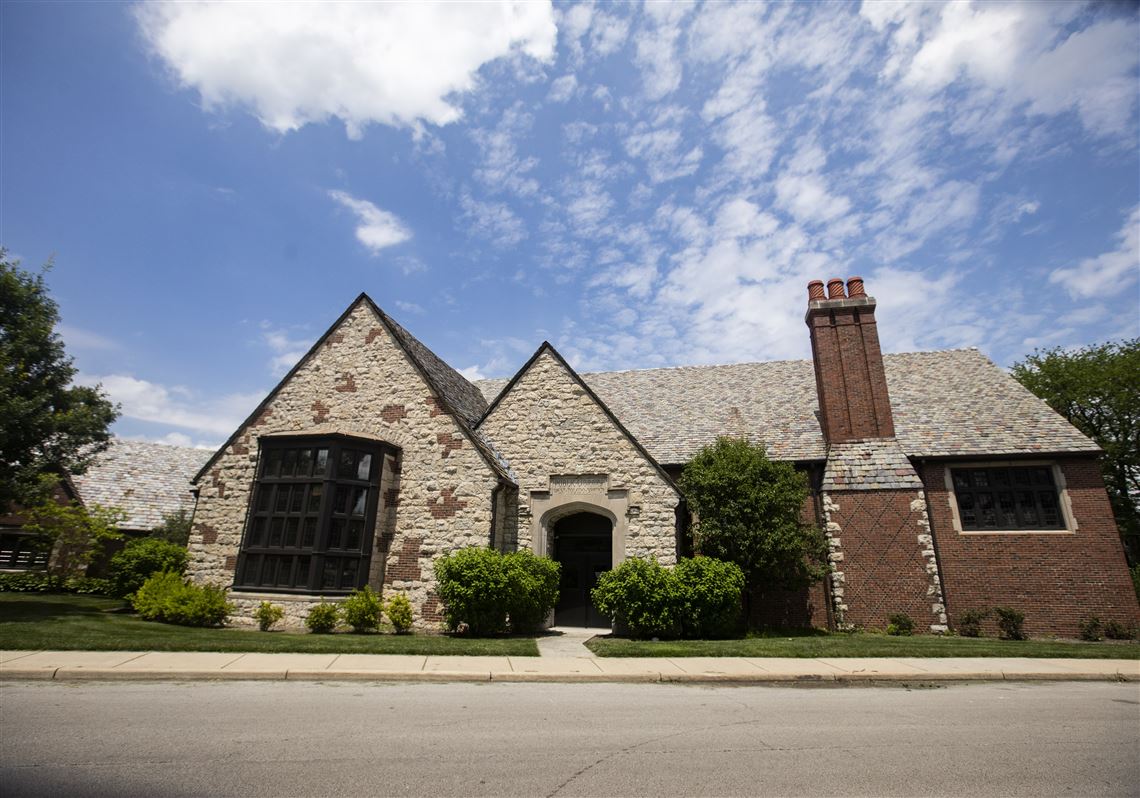
West Toledo Branch Library
Sitting on Sylvania Avenue in the west side of Toledo, Ohio, the West Toledo Branch Library doesn't look like a place that holds onto things. It's a Tudor-style brick building, modest and well-kept, with architectural details that speak to the civic ambition of 1930 — the year it first opened its doors to the neighborhood it would come to define. The surrounding community eventually took its identity from the building entirely. Today the area is known simply as Library Village, a name that says something about how deeply a public institution can root itself in a place over the course of nearly a century. The library was designed by the Toledo architectural firm of Gerow and Conklin and opened as part of the Toledo-Lucas County Public Library system's expansion during the late 1920s and early 1930s. It served a growing residential neighborhood on the western edge of the city, providing access to books, community gathering space, and the kind of quiet civic anchor that branch libraries represented in that era. The building's Tudor detailing — brick facades, arched entryways, and interior features including a notable fireplace along the west wall — gave it a warmth and permanence unusual for a municipal branch facility. It was built to last, and it has. Remodels in 2001 and again in 2014 expanded the footprint and updated the interior while deliberately returning the structure to its original 1930s architectural character. Unlike locations defined by violence or institutional suffering, the West Toledo Branch carries the weight of ordinary time. Decades of daily community life have passed through its doors — children learning to read, neighbors gathering, the rhythms of a working-class Toledo neighborhood running quietly in the background. The building has outlasted the era that built it, the architects who designed it, and several generations of the community it was built to serve. What remains is a structure that has absorbed more than ninety years of human presence, and the particular quality of stillness that old public buildings develop when the people have gone home for the night. The paranormal history of the library centers on the area near the west wall fireplace — the building's most architecturally distinctive interior feature and, according to those who have reported experiences there, its most active. The fireplace anchors the original reading room, a space that has remained largely consistent across the building's various renovations. It is here that visitors and staff have reported unexplained noises, bumping sounds, and the presence of an unidentified male figure, believed to date to around 1940 — roughly a decade after the building first opened. No specific identity has been attached to him, and no documented incident from that period has been publicly connected to the claims. He is simply described as a man, seen and sensed near the fireplace, in a building he appears reluctant to leave. Reports associated with the library are quiet in nature, consistent with the setting. This is not a location known for dramatic manifestations or aggressive energy. What gets reported here tends toward the subtle — sounds without sources, the sense of a presence in a room that should be empty, the particular feeling that something in the building is paying attention. Whether that registers as unsettling or simply atmospheric likely depends on the person experiencing it. Public libraries, especially older ones, have a way of feeling inhabited even when they aren't. The West Toledo Branch, with its original bones intact and its fireplace still standing, leans into that quality. Skeptics will note that a ninety-year-old brick building produces sounds, that heating systems tied to original fireplaces behave unpredictably, and that the power of suggestion in a building with a known ghost story is considerable. These are reasonable observations. The claims here are modest, and no one has presented documentation that rises above personal account and local reputation. What the West Toledo Branch Library offers is something quieter than the dramatic paranormal hotspots that draw large investigation teams and television crews. It is a neighborhood institution with a long memory, a beloved community anchor that has stood in the same spot through wars, economic shifts, and the transformation of the city around it. The man reportedly seen near the west wall fireplace — whoever he was, whenever he lived — chose a place that has always welcomed people in and kept them comfortable. For a haunt, there are worse choices than a library that a whole neighborhood named itself after.

Commodore Perry Building
The Commodore Perry Building stands as a testament to downtown Toledo's architectural heritage and the city's identity as a center of commerce and culture during the twentieth century. Constructed during the early twentieth century, the building represents the ambitious construction efforts that characterized American cities during the era of expansion and development. The structure was designed as a substantial residential and commercial complex, containing multiple apartment units and commercial spaces across numerous floors. The building's solid construction and detailed architectural features reflected the confidence and prosperity of the period in which it was erected, when Toledo was experiencing significant growth as an industrial and commercial center in the Great Lakes region. The name Commodore Perry honored the local and national significance of naval history in the region, connecting the building to broader themes of American maritime heritage. Throughout its early decades, the Commodore Perry Building served as an active center of residential and commercial activity, housing families of various economic standings and supporting diverse business enterprises. The property featured common spaces, including a notable ballroom used for social events, dances, and community gatherings. The upper floors contained studios and performance spaces, reflecting the building's role in Toledo's cultural life during much of the twentieth century. A restaurant operated within the facility, serving residents and visitors, and contributed to the building's reputation as a destination for dining and social engagement. The architecture of the building included distinctive design elements characteristic of its period, with particular attention paid to the ballroom and performance areas, which featured decorative elements and acoustical design intended to enhance their functionality. The social and cultural vitality of the Commodore Perry Building continued through much of the twentieth century, though like many urban structures, it experienced periods of transition and changing uses. The rise of suburban development, the evolution of entertainment venues, and the broader transformation of downtown commercial districts during the late twentieth century affected the property's occupancy and function. The ballroom and upper floor spaces gradually ceased their role as active entertainment venues, falling into disuse and disrepair as commercial patterns shifted. What had once been a vibrant center of activity gradually became a quieter, more intermittently used facility. However, the solid construction of the building ensured its survival through periods of economic transition and urban change. Paranormal reports associated with the Commodore Perry Building have centered on manifestations concentrated in the upper floor areas, particularly the old ballroom and restaurant spaces. Visitors and investigators have reported encounters with the apparition of a young girl dressed in a white dress, appearing most frequently in the ballroom and upper story windows. The figure is consistently described as appearing youthful, perhaps ten to fifteen years of age, and has been observed moving through spaces where she allegedly died or lived. Witnesses report the sensation of being watched when in the ballroom, and some have described feeling a childlike presence manifesting as a gentle but persistent energy. The appearance of the girl, consistently dressed in the same white dress across multiple independent witness accounts, suggests the fixation of a particular tragic moment in the building's history. One of the most distinctive paranormal phenomena reported at the Commodore Perry Building is the sound of phantom music originating from the ballroom and upper floors, specifically piano music played in a manner suggestive of someone practicing scales or playing classical pieces. Investigators have documented this sound occurring at various times of day and night, audible to multiple witnesses simultaneously and recorded on paranormal investigation equipment. The music appears to emanate from an identifiable location, yet no physical piano or source can be located when areas are investigated. The phenomenon has proven particularly striking during investigations conducted by the Haunted Toledo paranormal investigation team in October 2017, when multiple investigators documented the sound simultaneously from different locations within the building. Disembodied voices have been reported on upper floors, sometimes calling out or attempting to communicate. Door and window activity has been documented, with portals opening and closing without apparent physical cause. The Commodore Perry Building represents an example of urban paranormal phenomena associated with unresolved tragedy concentrated in spaces where social activity and cultural gatherings once occurred. The persistence of the young girl's apparition, her distinctive white dress, and the recurring manifestation of phantom music suggest the haunting resulting from a traumatic event in childhood, perhaps occurring during the building's period of active entertainment use. The building continues to operate as residential and studio space, maintaining its position within Toledo's architectural landscape. Paranormal investigation teams continue to pursue research into the building's phenomena, and the location has become a destination for those interested in documented hauntings within Ohio. The Commodore Perry Building stands as a reminder of downtown Toledo's complex history, combining commercial and cultural vitality with the unexplained supernatural manifestations that appear to persist within its walls.
Oliver House
The Oliver House opened its doors in 1859 as Toledo's first grand hotel, an establishment designed to accommodate the traveling professionals, businesspeople, and dignitaries who increasingly passed through the city as it grew in commercial and industrial importance. With 171 rooms, the Oliver House was among the largest and most impressive hostelries in the region, a physical manifestation of Toledo's economic aspirations and its vision of itself as a city of national significance. The structure was built during a period of rapid American expansion, when railroad construction and industrial development were transforming regional economies and creating new networks of commerce and communication. The hotel represented a significant capital investment, a statement by its builders that Toledo had achieved sufficient economic importance to merit such a substantial hospitality establishment. The building's scale, its location, and its architectural design communicated to guests and citizens alike that Toledo was a city of consequence, a place where important business and significant encounters took place. Throughout the latter nineteenth and early twentieth centuries, the Oliver House maintained its position as a premier Toledo accommodation, hosting businesspeople, political figures, cultural personalities, and other visitors whose presence lent prestige to both the hotel and the city. The establishment became embedded in the social and economic geography of Toledo, its lobby a space where deals were negotiated, where the business of the city was conducted, where encounters of significance took place. The staff of the Oliver House grew to include dozens or hundreds of individuals over the years—clerks, bellhops, kitchen workers, housekeeping staff, managers, and other functionaries—all of whom contributed to the functioning of such a large and complex operation. The accumulation of human activity within the hotel's spaces was substantial and continuous, day and night, across decades of operation. The Oliver House existed through a period of significant American history, including the Civil War era, when the nation was divided by profound conflict and the movement of soldiers, supplies, and displaced peoples across the landscape was constant. As a major hotel in a significant city, the Oliver House likely hosted military personnel, government officials, refugees, and others displaced by the conflict. The war touched the lives of everyone in America during that period, and the hotel, as a major gathering place, would have been shaped by those turbulent times. The presence of Union and Confederate soldiers, the conversations about the war's progress and meaning, the personal traumas and separations it caused—all of these would have been reflected in the experiences of those within the hotel at that time. The paranormal reputation of the Oliver House has accumulated over many decades, with consistent reports from staff and guests regarding apparitions and other phenomena. A figure known as "the Captain" has been reported repeatedly—an apparition of a man in period clothing suggesting connection to the Civil War era or the Gilded Age that followed it. This figure appears to move through the hotel's spaces with purpose and authority, as if conducting business or overseeing operations. Other apparitions have been reported, including figures described as a black servant and a woman, spirits seemingly connected to the hotel's historical operations and the people who lived within its walls during previous eras. The apparitions appear in hallways, on staircases, and in the upstairs pool room, spaces associated with both private and public aspects of the hotel's operations. Beyond the visual apparitions, the Oliver House is reported to generate other paranormal phenomena consistent with locations of intense historical activity and accumulated human experience. Disembodied voices have been recorded and reported by witnesses, apparently speaking words and phrases from previous historical eras. Staff and guests have reported physical sensations associated with paranormal presence—the sense of being touched, of encountering areas of extreme cold or unexpected warmth, of experiencing physical pressure without obvious source. Shadow figures have been observed moving through various areas of the building, entities that appear physical in some respects but resist conventional explanation. These phenomena suggest a building where the boundary between past and present, between life and death, between the visible and invisible, has become unusually permeable. The Oliver House remains an operational historic hotel in downtown Toledo, welcoming guests who seek connections to the city's architectural and commercial history as well as those specifically interested in the building's paranormal reputation. The hotel has worked to preserve its historical character while making necessary accommodations for contemporary hospitality. For guests staying overnight, the experience combines elements of historical immersion with the possibility of paranormal encounter. The reported activities of the Captain, the unidentified woman, and the other spirits associated with the hotel transform it from a merely historic building into a location where the past maintains an active and observable presence, where the accumulated weight of history presses against the boundaries separating past from present. The Oliver House thus stands as a testament to the way in which buildings of historical significance, buildings through which thousands of lives have passed and in which profound experiences have occurred, may retain traces of those experiences in dimensions that escape conventional perception.
Collingwood Arts Centre
Collingwood Arts Centre occupies a distinctive position in northwest Ohio paranormal history as the most consistently active and thoroughly investigated haunted building in the region, its paranormal phenomena attracting sustained professional and amateur investigation since documentation of the initial manifestations began. The building itself represents an architectural artifact of the late nineteenth or early twentieth century, adapted over subsequent decades to serve various institutional and cultural functions before its transformation into an arts center and paranormal research venue. The structure's physical layout includes basement spaces, dormitory hallways, multiple floors, and various chambers that create an environment of considerable paranormal complexity, with manifestations occurring in distributed locations throughout the building rather than concentrating in any single area. The Collingwood organization has embraced the paranormal reputation of the property and now actively conducts ghost hunts and paranormal investigation events, operating evening investigation sessions from eight o'clock until one o'clock in the morning. The dominant paranormal entity at Collingwood Arts Centre is consistently described as a figure dressed in flowing black robes, an apparition that has been observed by multiple independent witnesses across different time periods and investigation sessions, exhibiting remarkable consistency in appearance and behavior patterns. This entity produces a deeply unsettling emotional response in many investigators, with reports of overwhelming dread, anger, or sadness experienced in the presence of the robed figure, emotional phenomena that paranormal researchers interpret as evidence of genuine spiritual presence rather than psychological projection. A secondary apparition appears as a white-clothed figure, sometimes described as female, which manifests primarily in the dormitory hallway areas and occasionally interacts with investigators through movement and apparent communication attempts. The basement of the building holds particular paranormal significance, as it was the location of a documented nun suicide occurring during the 1950s, an event that paranormal researchers have identified as potentially anchoring the black-robed figure to the location through unresolved trauma. Photographic evidence collected throughout the Collingwood structure documents the frequent appearance of orbs, spheres of light that manifest across multiple wavelengths and appear with high frequency in documented photographs of the attic, balcony, stairway, and parlor areas. These orbs have been analyzed by paranormal research organizations and do not correspond to dust particles, moisture artifacts, or known photographic phenomena. The disembodied voices documented through audio recording equipment capture words, phrases, and vocalizations that do not correspond to building sounds, environmental noise, or other rational explanations, with some recordings suggesting attempts at direct communication with investigators. Cold spots in the basement and throughout the upper floors of the structure exhibit temperature differentials of twenty to thirty degrees below ambient environmental conditions, with readings that cannot be attributed to building ventilation or other structural explanations. The Collingwood Arts Centre has transformed from a location where paranormal phenomena occurred incidentally into an institution that actively embraces and facilitates paranormal research and investigation, recognizing that the building's hauntings constitute both a historical phenomenon and a contemporary cultural attraction. The consistent documentation of paranormal activity across decades of investigation has elevated Collingwood to prominence among American paranormal research sites, with established researchers and investigation teams prioritizing the location as an ideal venue for testing investigative methodologies and collecting empirical data regarding paranormal manifestations. The black-robed entity and its companion white-clothed apparition continue to interact with investigators with sufficient consistency that prediction models have been developed.