

The Castle – Weaver House
Background & History
Historical context and known paranormal claims surrounding The Castle – Weaver House.
The Weaver House, known throughout Selma, Alabama as simply "The Castle," commands attention as one of the most architecturally distinctive and historically significant residences in the city's downtown district, occupying a position of prominence on Lauderdale Street that speaks to wealth, ambition, and an unmistakable Gothic sensibility that was unusual even for its era. Constructed in 1868 by William Weaver, a prominent landowner and descendant of one of Selma's founding families, the house emerged from a visionary conception that literally transplanted European architectural traditions to the American South during the Reconstruction period following the Civil War. Weaver commissioned Richard Michell Upjohn, a distinguished architect of New York based international reputation, to design the structure—a remarkable decision that reflected both Weaver's ambitions and his access to substantial financial resources during a period when much of the South struggled economically in war's aftermath. The castle design was reportedly inspired by a Rhine castle in Germany, introducing European Gothic Revival aesthetics into the landscape of central Alabama in a manner that was simultaneously ambitious and somewhat incongruous with its regional context.
The physical construction of the Weaver House itself demanded extraordinary resourcefulness and local craftsmanship. Rather than importing brick or stone from distant sources, William Weaver established a brick kiln on his estate specifically to manufacture the sand bricks used in the structure, undertaking the kind of comprehensive control over his project that was available only to the wealthiest and most determined landowners of his period. The resulting five-story Gothic structure, with its distinctive castle-like towers, crenellated walls, and period-appropriate ornamentation, must have appeared almost fantastical to Selma residents of the 1870s, an Old World stronghold rising improbably from the Alabama landscape as a monument to one family's pride and commercial success. The Weaver House remained within the Weaver family's possession through most of the nineteenth century, but by 1934, family circumstances had shifted sufficiently that the property left Weaver control, beginning a long succession of different owners and uses that would characterize the subsequent decades.
The Weaver House has been recognized for its architectural and historical significance through inclusion in Selma's Old Town Historic District and its listing on the National Register of Historic Places, designations that acknowledge its importance as a physical artifact and cultural monument from the Reconstruction era. Yet alongside these formal historical recognitions exists a darker narrative of paranormal activity and unexplained phenomena that appears to have accumulated within the castle's Gothic spaces over more than a century and a half. Residents and visitors have consistently reported the faint but unmistakable sound of music emanating from within the structure, particularly at night when the house should be empty and silent—mysterious melodies that appear to have no identifiable source or mechanical explanation. Equally perplexing are reports of inexplicable lights appearing within the attic room, visible to witnesses outside the structure, despite historical records indicating that area was never equipped with electrical wiring, a particularly unsettling detail that defies conventional explanation.
Disembodied voices have become perhaps the most frequently documented paranormal phenomenon within the Weaver House, with multiple independent accounts describing intelligible speech and communication from sources that cannot be visually identified or logically explained. A family dog resident in the house allegedly received a disembodied command from an unknown source—a stern voice telling the animal to cease barking—an incident that speaks to an intelligence behind the phenomena, an entity capable of perception and capable of attempting communication with living inhabitants. A repair worker conducting maintenance within the structure was allegedly startled and frightened by a disembodied voice of such clarity and apparent proximity that he felt compelled to abandon his work and leave the premises entirely. Most intriguingly, witnesses outside the structure have reported seeing the apparition of a woman visible within an attic window, her form peering downward as if watching the grounds below, a figure that vanishes immediately when directly observed or when those who encounter it attempt closer investigation.
The identity of the spirits apparently inhabiting the Weaver House remains a matter of speculation and historical uncertainty. Whether these phenomena represent William Weaver himself, unable or unwilling to relinquish his grand architectural achievement even after death, or whether the castle has attracted other entities drawn to its Gothic atmosphere and historical weight, remains unknown. In recent decades, the Weaver House has become a point of interest for paranormal enthusiasts and those documenting haunted locations throughout Alabama, featured in the digital paranormal documentary series Alabama's Ghost Trail and referenced in various collections of Southern haunted places. The castle continues to exist as a physical structure, a testament to nineteenth-century ambition and aesthetic vision, while simultaneously functioning as what many believe to be a genuine haunted location where the living past and spiritual present apparently coexist within its walls, where voices continue to speak and apparitions continue to move through spaces built by someone who may have been unwilling to fully depart from his monumental creation.
house
Selma, Alabama
Dallas County
February 26, 2026
Open
People Also Searched For
You Might Also Like
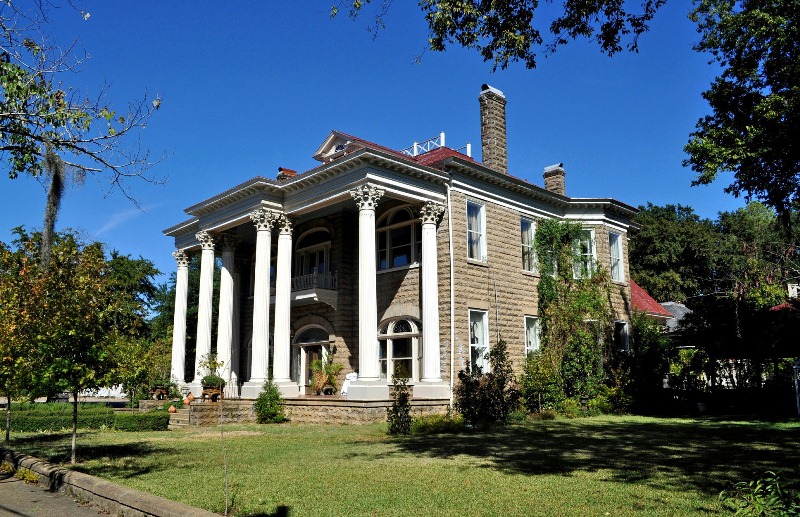
Standing along the shaded stretch of Lapsley Street in Selma, Alabama, Brownstone Manor is a neoclassical mansion that carries itself with the quiet confidence of a house that has outlasted everything around it. Built in the late nineteenth century — sources place its construction variously between… read more
Selma, Alabama · house
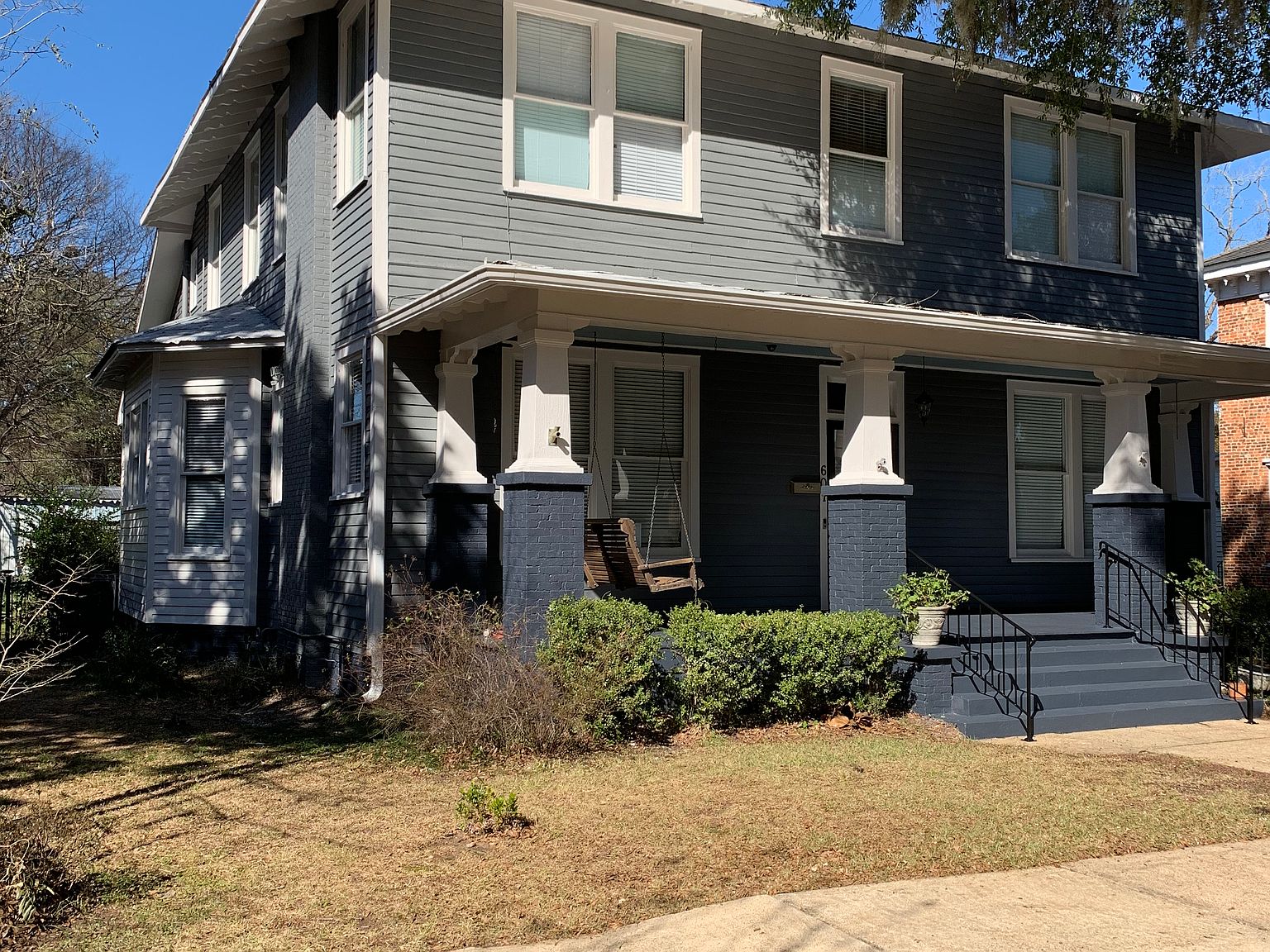
On a tree-lined stretch of Selma Avenue in one of Alabama's most historically saturated cities, the Trotter Home sits as a quiet two-story Victorian-era residence that has accumulated, over the course of more than a century, a reputation that far exceeds its modest exterior. Built in the 1880s durin… read more
Selma, Alabama · house
Grace Hall, constructed in 1859, represents one of the most historically significant private residences in Selma, Alabama, its architecture and aesthetic reflecting the cultural aspirations of the antebellum South during a period of considerable prosperity and profound moral complexity. The mansion… read more
Selma, Alabama · house
Have you visited The Castle – Weaver House?
Share your paranormal experience and help other investigators decide if it's worth exploring.
Activity Breakdown
Types of documented activity recorded at The Castle – Weaver House, organized by category.
Visual Activity
Audio Activity
Reported Areas
Specific areas within The Castle – Weaver House where activity has been documented.
No specific areas of activity have been reported for The Castle – Weaver House yet.
Known Entities
Entities, spirits, and figures that have been identified or reported at The Castle – Weaver House.
No known entities have been documented at The Castle – Weaver House yet.
Photos
Images sourced from across the web and linked directly to the original host. Ghouler does not download or host these images, nor do we claim them as our own.
Investigator Reviews
Your trust is our priority, so no location can pay to alter or remove their reviews.
No reviews yet.
Be the first to share your experience at The Castle – Weaver House.
Find reviews useful? Help others by sharing your experience.
Documented Experiences
Paranormal reports and documented occurrences compiled for The Castle – Weaver House from archived sources and community investigators.
No documented experiences for The Castle – Weaver House yet.
Best Times to Visit
Based on investigator reports, these are the most active areas, times, and conditions reported at The Castle – Weaver House.
The Castle – Weaver House
Evening
Equipment & Methods
Equipment and investigation methods reported by community investigators at The Castle – Weaver House.
No equipment or investigation methods have been reported for The Castle – Weaver House yet.
Know Before You Go
Important details to help plan your visit or investigation of The Castle – Weaver House.
Private Property
Open
Not specified
Sources & References
Referenced materials and documentation supporting the The Castle – Weaver House case file.
Blog Article
News Article
official_website
social_media_post
Experience Glossary
Detailed descriptions of each type of activity documented at The Castle – Weaver House.
Disembodied Voices
Definition
Audible speech heard without a visible speaker present.
What People Report
Witnesses report whispers, direct responses, conversations, or voices calling their name in otherwise quiet environments. These events may occur during investigations or spontaneously in residential settings.
Full-Body Apparitions
Definition
A complete human-shaped figure reportedly seen in physical space.
What People Report
Witnesses often describe defined features such as clothing, posture, or movement patterns. These manifestations may appear solid or semi-transparent before disappearing abruptly.
Unexplained Sounds
Definition
Unidentifiable noises such as bangs, growls, music, or movement occurring without environmental explanation.
What People Report
These sounds may be isolated or recurring and are frequently reported during periods of heightened activity.
Important Notices
Information in this case file is compiled from public sources and community reports. Accuracy cannot be guaranteed. Always verify details before visiting, and check with property owners and local or state authorities to confirm access is permitted.
This location is on private property. Do not enter without explicit permission from the property owner.
Nearby Case Files
Explore Alabama
Browse by Haunt Type
Phenomena & Experiences
- Apparition reports
- Full-Body Apparition reports
- Shadow Figure reports
- EVP reports
- Disembodied Voice reports
- Unexplained Footsteps / Knockings reports
- Poltergeist reports
- Object Manipulation reports
- Cold Spot reports
- EMF Anomaly reports
- Intelligent Haunting reports
- Residual Haunting reports
- Sense of Presence reports
- Phantom Smell reports
- Electronic Disturbance reports