
Haunted Places in Minnesota
110 haunted locations
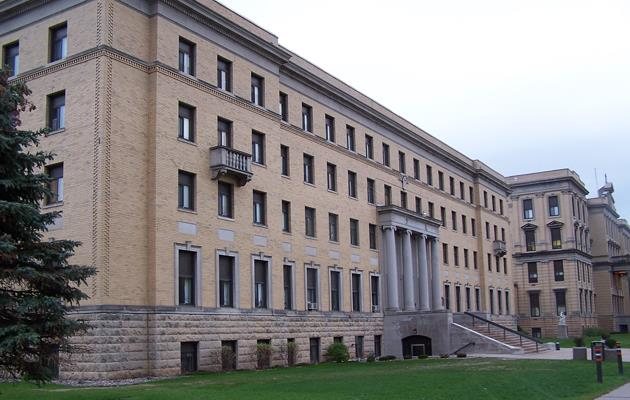
St. Mary’s College – Heffron Hall
Saint Mary's University of Minnesota sits on Terrace Heights, a bluff above the city of Winona on the western bank of the Mississippi, with the river valley spreading below and the limestone ridgelines of the Driftless Area rising on the opposite shore. It is a campus of red brick and Catholic institutional gravity, founded in 1912 by a bishop who purchased cornfields five miles west of the Winona downtown, raised the financing himself, and built a college from nothing on a hill. That bishop was Patrick Richard Heffron — New York-born, Minnesota-raised, ordained in Montreal in 1884, appointed second Bishop of the Diocese of Winona in 1910. He was by most accounts a commanding and demanding figure, the kind of institutional builder who leaves behind structures meant to outlast him. In this case, one of those structures is a dormitory that carries his name and has been called Minnesota's most legendarily haunted building since at least 1989, when USA Today applied that designation in its Halloween issue. The events that seeded the legend took place not in Heffron Hall but in St. Mary's Hall, the earlier building on campus, on the morning of August 27, 1915. Father Louis Lesches — French-born, ordained 1898, a priest of the Diocese of Winona with a documented history of instability, conflict, and insubordination — had been pressing Bishop Heffron for years for a parish of his own. Heffron had refused him, believing him mentally unbalanced and unsuitable for the responsibility. The conflict between the two men had been long, bitter, and increasingly one-sided in its institutional consequences. On that morning, Lesches walked from his guest room in St. Mary's Hall to the bishop's private second-floor chapel, where Heffron was celebrating Mass alone. He fired during the consecration. The first bullet struck Heffron in the left thigh from behind. As the bishop turned, a second shot entered the right side of his chest and penetrated his lung. A third bullet lodged in the tabernacle. Lesches fled, locked himself in his room, and was arrested within minutes. Heffron staggered from the chapel into the hallway, warned the priests summoned by the gunfire of the armed man still in the building, and directed them to call for medical help. Dr. William J. Mayo drove from Rochester by automobile to consult on the wound. The bishop recovered fully. At trial in December 1915, the jury deliberated forty-five minutes before acquitting Lesches by reason of insanity. He was committed to the state hospital for the criminally insane in St. Peter, Minnesota, where he would remain for the rest of his life. Heffron continued as bishop until his death from cancer on November 23, 1927. The dormitory named in his honor — Heffron Hall, a four-story brick building inaugurated in 1920, the first residence hall and second major building constructed on the Terrace Heights campus — became the container into which the legend would be poured over the decades that followed. Heffron Hall is a plain, functional building of its era: four floors, a central staircase, long corridors, institutional brick inside and out. The university president's office occupies the first floor; student rooms are on the second through fourth. The building connects to St. Mary's Hall and remains in continuous use as a non-freshman residence hall. It is the physical ordinariness of the building that makes its reputation notable — there is nothing architecturally Gothic about it, no ruined tower or locked wing, just a college dormitory where students have been sleeping and studying for over a century. The reports began in earnest in 1943 — the same year Father Lesches died in St. Peter at the age of eighty-four, still institutionalized, his remains returned to Winona and buried in St. Mary's Cemetery near the campus. Students on the third and fourth floors reported unexplained footsteps in the night, the sound of a cane tapping along the corridor, cold drafts with no identifiable source, and papers dislodged from bulletin boards when no windows were open. The activity was attributed by students to Lesches, finally free and returning to the institution whose bishop he had tried to kill. The ghost story gathered new material in 1967 when college newspaper reporters spent ten consecutive nights in the hall with cameras and thermometers. They recorded temperature drops of as much as ten degrees Centigrade on each of those nights, occurring consistently around 1:54 in the morning, and brought back infrared photographs showing anomalous blurs they attributed to heat or pressure variations in the hallway. A second death in the hall's history had by then been woven into the legend: in May 1931, Reverend Edward Lynch — described in accounts as a friend of Bishop Heffron's and an adversary of Lesches — was electrocuted in his room when he stepped between his bed and a radiator, touching both simultaneously. The legend assigned blame to Lesches, though he was alive and institutionalized in St. Peter at the time. More recent firsthand accounts from students have described a dark, cowled figure seen in the second-floor corridor near the location of the former chapel where the shooting occurred; a persistent sense of a presence on the staircase; rooms that rearrange themselves overnight; electronics that malfunction without explanation; and at least one account of a resident waking from sleep to find herself unable to breathe, a dark figure at the edge of her bed, an experience mirrored by a separate student on the same floor the same night. The identity of the figure is contested in the tradition — most accounts assign it to Lesches, still fixated on the institution that confined and defeated him; some attribute it to Heffron himself, maintaining order in the building that bears his name. The honest accounting of the Heffron Hall legend involves acknowledging how thoroughly the documented history and the accumulated folklore have merged over a century of transmission. Bishop Heffron did not die in the shooting — he recovered, continued as bishop for twelve years, and died of cancer. Father Lesches was not a murderer but a failed assassin committed to institutional care for twenty-eight years. The temperature drops recorded in 1967 were real measurements from a drafty brick building in a Minnesota winter, interpreted by college students with a story already in hand. What remains after the embellishments are stripped away — and the Winona Post, which published an exhaustive multi-part investigation of the legend, made that stripping-away its explicit project — is still this: a shooting during the consecration of the Mass, a bullet in the tabernacle, a man in chains for three decades, and a building on a bluff above the Mississippi that has been generating consistent, specific, uncorroborated reports for more than eighty years.
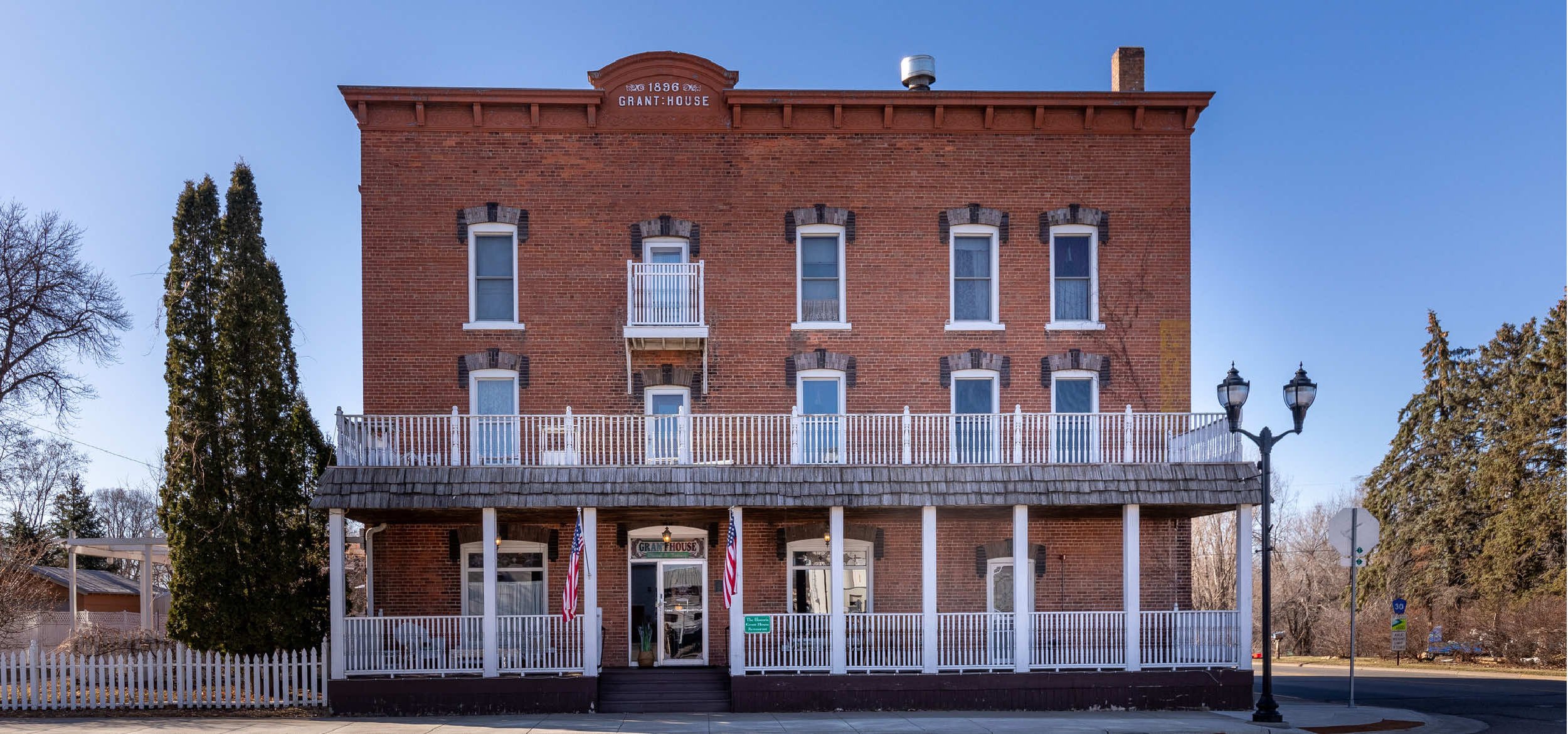
Grant House Hotel and Eatery
At the corner of Fourth Street and Bremer Avenue in downtown Rush City, Minnesota—a small town along Highway 61 roughly sixty miles north of the Twin Cities—a three-story brick hotel has been standing since the last years of the nineteenth century, carrying with it a history of fire, reinvention, and a reputation for paranormal activity that has drawn ghost hunters, television crews, and paranormal authors to a place most travelers on Interstate 35 pass without a second glance. The Grant House was originally built in 1880 by Colonel Russell H. Grant, second cousin to President Ulysses S. Grant. The original structure was a white-board building with an expansive porch, situated to serve the travelers and commerce flowing through Rush City along what was then a stagecoach route connecting St. Paul to Superior, Wisconsin. President Grant himself reportedly stayed at the hotel while visiting family in the area, taking advantage of Minnesota's hunting and fishing. The hotel prospered for just over a decade before fire destroyed the original building in 1895. Colonel Grant rebuilt the following year, this time in brick, and the 1896 structure—listed on the Registry of Historic Places—is the building that stands today, a 7,500-square-foot establishment with eleven rooms spread across its upper floors. The Grant House's history between the fire and the present day is marked by the kinds of uses that tend to leave residual energy in old buildings. During certain periods, the hotel reportedly operated as a bordello, and local accounts connect it to the bootlegging trade that ran through small Minnesota towns during Prohibition. Rush City's location along the railroad made it a natural waypoint for the kind of transient commerce—legal and otherwise—that characterized rural Midwestern towns in the early twentieth century. The Twin Cities Paranormal Society has noted that old railroad hotels in small towns are particularly prone to paranormal activity, citing the combination of constant human turnover, proximity to rail energy, and the fires and violence that frequently accompanied frontier-era hospitality. The paranormal reputation of the Grant House is well established and has been acknowledged by successive owners. Todd Johnston, who owned the hotel in the early 2010s, stated publicly that he, his staff, and guests had experienced numerous unexplained incidents during his tenure. In 2011, Johnston opened the hotel to a formal paranormal investigation, drawing ghost hunters and fans of SyFy Channel's Ghost Hunters International for an evening of organized investigation. The event confirmed what locals and staff had been reporting for years. Paranormal researcher Chad Lewis, author and lecturer for Unexplained Research LLC, has included the Grant House in his presentations on Minnesota's most haunted locations, noting the kinds of subtle evidence—recorded sounds inaudible to the naked ear, unexplained beams of light—that characterize active sites. The Grant House is also featured in The Big Book of Minnesota Ghost Stories by author Andy Weeks, who investigated the property as part of his broader survey of Minnesota hauntings. The reported phenomena at the Grant House span a range consistent with a building carrying multiple layers of occupation and use. Guests have heard ghostly laughter and disembodied voices in the hallways and rooms. Phantom footsteps are heard moving through the building when no one is present. Furniture has been found shifted or rearranged in rooms overnight by unseen hands. The most striking recurring claim involves the apparition of a woman who appears behind guests as they look into mirrors—visible in the reflection but not in the room itself when the guest turns around. The activity has been consistent enough to attract repeated visits from organized paranormal groups, including North Metro Paranormal, whose founder has described the Grant House as one of the locations that first drew him into ghost hunting after experiencing intense activity there on an early visit. Ghost tours have been held at the property, and the building's haunted reputation is embraced rather than concealed—the city of Rush City's own tourism page directs visitors interested in the paranormal to the hotel's website for ghost stories. Today the Grant House continues to operate in downtown Rush City, most recently housing The Fort, an eclectic American restaurant whose owners moved into the historic building in 2024. The new proprietors were aware of the building's reputation before signing the lease and were undeterred. The clawfoot tubs and pedestal sinks remain in the renovated guest rooms. The second-story porch still overlooks Main Street. The railroad tracks that once brought travelers and trouble to Rush City still run nearby. And the woman in the mirror, if she is still there, presumably has new faces to appear behind—and new guests to remind that in a building this old, the reflections do not always belong entirely to the living.

Heritage House
Heritage Park in Corpus Christi, Texas, represents a carefully preserved collection of historic structures serving as a living museum of the region's architectural and cultural heritage. The park encompasses multiple historic buildings and homes, each contributing to the overall narrative of how families and communities developed throughout the nineteenth and early twentieth centuries. These structures display period-appropriate furnishings, artifacts, and design elements offering visitors tangible connections to the lives of people from previous eras. The park operates as both an educational institution and a tourist destination, welcoming visitors who wish to understand the material culture and daily experiences of residents from the area's historical periods. The grounds are carefully maintained to reflect historical accuracy, with landscaping and outdoor features designed to approximate the appearance of the original properties during their periods of primary occupation. Within the historic structures, paranormal investigators have documented substantial evidence of supernatural activity concentrated particularly in upstairs areas, staircases, and attic spaces. The most prominent entity is the spirit of Charlotte Sidbury, a woman whose attachment to the property manifests through multiple forms of paranormal phenomena. The apparition of a ghostly woman has been frequently observed gazing from upstairs windows, a manifestation occurring with sufficient regularity to suggest a genuine haunting. Visitors and staff have reported the distinctive experience of witnessing this spectral figure at windows, only to find the actual interior spaces completely empty. Beyond Charlotte's presence, the park hosts a broader range of paranormal phenomena suggesting multiple entities inhabiting the historic structures. Tapping sensations have been experienced by visitors and researchers, occurring on walls and furniture without apparent source. These unexplained auditory phenomena often appear in response to questioning or as apparent attempts at communication from spectral inhabitants. Footsteps have been documented in staircases and upper hallways, suggesting movement of spirit entities through spaces where no living person is present. Electronic voice phenomena recorded during paranormal investigations have captured disembodied voices and fragmentary speech that cannot be attributed to ordinary sources. The apparitions appearing within Heritage Park display distinctive period clothing, suggesting these entities were residents or significant visitors during the era when the structures were actively occupied. A woman in blue, characterized by her distinctive appearance including hair arranged in a bun style consistent with earlier historical periods, has been reported with sufficient frequency to suggest a specific entity. These sightings suggest the spirits maintaining presence in Heritage Park may be connected to specific individuals with biographical and historical significance. The fact that multiple spirits appear to maintain simultaneous existence suggests either multiple entities with individual attachments or a complex psychogeographical phenomenon anchoring multiple supernatural manifestations. Heritage Park continues functioning as a museum and educational center while acknowledging its significant paranormal reputation. Paranormal investigation groups regularly visit to conduct research and document evidence of the entities inhabiting the structures.
Pieces of the Past
The Haunted Antique Shop and Paranormal Museum occupies a substantial 1920 Craftsman-style bungalow in DeLand, Florida, a structure built during the height of the craftsman architectural movement when attention to quality materials and meticulous joinery represented both aesthetic and philosophical principles. The building features the characteristic wide porches, exposed beam work, and natural wood detailing that defined craftsman design, creating a warm, welcoming ambiance that contrasts sharply with its reputation as one of Florida's most actively paranormal properties. The construction exemplifies the values of handcrafted authenticity and natural materials that define the Arts and Crafts movement. The original residential function of the building and its transition to commercial museum use reflects the evolution of American cultural attitudes toward domestic space and historical preservation. The shop operates as a museum and retail establishment specializing in antique items spanning multiple centuries and cultures, with collections that include furniture, artwork, decorative objects, and artifacts of historical and cultural significance. Items within the shop originate from diverse sources and carry their own histories and potential spiritual associations. The proprietor has documented extensive paranormal activity throughout the structure, publishing books and maintaining detailed records of manifestations that rival any professional paranormal research facility in their comprehensive documentation. The meticulous record-keeping transforms the shop into an archive of paranormal phenomena unparalleled in scope and systematic observation. The most famous artifact within the museum is known as Haunted Charlie, a doll whose troubled history and reputation have generated international attention and visitor interest. According to accounts, Haunted Charlie exhibits disturbing behavioral patterns suggesting possession or animated by malevolent spiritual force, including unexplained movement between locations, changes in posture and positioning, and animated expressions appearing on its static face despite the absence of mechanical components. The doll becomes the focal point for many visitors' experiences and represents the bridge between the material and spiritual worlds. The shop also documents the presences of James DeWalt and Lucinda DeWalt, spirits believed to inhabit the structure and whose identities and histories form part of the ongoing paranormal narrative of the location. These entities appear to serve as caretakers or guardians of the space and its contents. Paranormal manifestations at the Haunted Antique Shop occur with remarkable frequency and consistency, creating an environment unlike most haunted locations in their predictability and intensity. Objects within displays rearrange themselves spontaneously, items relocating to entirely different rooms despite being secured in place, and the proprietor's careful organization constantly disrupted by unseen forces. Lights throughout the building activate and deactivate without human intervention, with switches being found in opposite positions from their intentional settings. Doors open and close with audible sounds despite locks being engaged, and disembodied voices emerge from empty rooms, sometimes in conversation with each other, sometimes addressing observers directly with apparent purpose and intention. Staff and visitors report encounters with phantom customers who browse the merchandise, inquire about items, and vanish when approached, suggesting spirits drawn to the retail space either by attachment to specific artifacts or by the social function of shopping and economic transaction. The manifestations appear sufficiently profound that paranormal research organizations, including those affiliated with academic institutions and major paranormal television productions, have conducted formal investigations of the location. The shop's proprietor has become recognized as an authority on haunted artifacts and paranormal museum operation, with published works documenting experiences and theoretical frameworks for understanding the phenomena and the relationship between objects and spiritual presence.
St. Joseph of the Lakes Catholic Church
St. Joseph of the Lakes Catholic Church in Lino Lakes, Minnesota represents a significant religious structure within the Upper Midwest Catholic community, serving as a sanctuary for spiritual practice and communal worship across generations of parishioners. The church building itself embodies architectural tradition and religious purpose, with design elements consistent with early-to-mid twentieth-century Catholic ecclesiastical architecture. The structure has served as a center for baptisms, marriages, funerals, and daily religious practice, absorbing the emotional energy of countless life transitions and moments of spiritual significance. The location's designation as a Catholic church endowed it with spiritual properties intended to sanctify the space and elevate consciousness toward transcendent realm. Yet despite these sanctifying intentions, the building apparently became subject to spiritual phenomena that defied conventional religious explanation, creating tension between the church's formal religious purpose and the paranormal manifestations documented within its spaces. The most prominent entity identified at St. Joseph of the Lakes is a ghost nun, a female apparition dressed in religious habit whose identity and historical connection to the church remain uncertain. The nun's apparition has been observed moving through the church's interior spaces with apparent familiarity, suggesting she may have served within the institution or resided in attached convent facilities. Her behavior proved non-threatening and purposeful, consistent with someone conducting assigned duties or familiar with the building's layout. The apparition has been glimpsed walking through walls and solid barriers, a phenomenon that suggests her spiritual form transcends physical limitations. Additionally, the spirits of a young girl have been identified within the church, whose presence generated different emotional qualities than the nun apparition. The young girl spirit apparently lacked the purposeful demeanor of the nun, instead suggesting confusion or distress more consistent with traumatic circumstances surrounding her death. The paranormal phenomena documented at St. Joseph of the Lakes manifest through diverse categories of activity. Doors within the church building slam shut with forceful violence when no human hand manipulates them, a phenomenon occurring repeatedly across independent observations. Witnesses have reported hearing music from the church piano playing melodies when the instrument remains untouched and no human organist occupies the bench. A Bible placed on a shelf was knocked forcefully to the ground without visible cause, suggesting aggressive spiritual intervention. Footsteps echo through empty church spaces, the sounds of feet moving across floor and through hallways conveying purposeful movement despite absence of physical presence. Ghosts have been observed walking directly through walls and solid barriers, their translucent forms defying architectural impediments. Lights within the church turn off spontaneously, plunging areas into darkness despite no human intervention at electrical switches. The combination of these phenomena created an atmosphere suggesting active spiritual presence, yet the church's sanctifying purpose created confusion regarding the nature and intent of these apparitions. The paranormal activity at St. Joseph of the Lakes became sufficiently documented that the location achieved recognition within Minnesota's paranormal research communities. The incongruity between the church's religious purpose and its apparent haunting created theological and psychological tension for parishioners and church officials. Some individuals interpreted the phenomena as evidence of suffering souls trapped in spiritual purgatory, requiring spiritual intervention or prayer to facilitate their passage to transcendent realms. Others questioned whether the phenomena represented genuine spiritual manifestation or misinterpretation of building sounds and environmental factors. The location became included in compilations of Minnesota haunted sites, achieving status as a verified paranormal location alongside secular haunted establishments. St. Joseph of the Lakes stands as an example of how paranormal phenomena may manifest in any location regardless of religious designation or sanctification intent, suggesting that spiritual imprints transcend boundaries between sacred and secular spaces.
Cottage Grove Cemetery
Cottage Grove, Oregon, nestles in the verdant Willamette Valley, an agricultural region renowned for its natural beauty and historical significance in American westward expansion. The region's landscape of forested hillsides, flowing waterways, and rural settlements has served as home to indigenous peoples for millennia before European settlement transformed the area's demographic and cultural composition. The community that grew in Cottage Grove developed around timber resources and agricultural opportunity, attracting settlers seeking to build new lives on the frontier. Among these early arrivals were families who established homesteads and cemeteries that would eventually become the focus of paranormal investigation and documented supernatural activity. Mount David, rising from the surrounding topography, served as a natural landmark and burial ground for early settlers who recognized its elevated position as an appropriate resting place for the deceased. The 1850s family cemetery located near this historic peak contains graves of pioneers whose names and life stories have largely faded from living memory, preserved only in weathered headstones and archaeological records. The historical narrative of Cottage Grove encompasses cycles of settlement, resource extraction, and gradual abandonment as economic patterns shifted and newer communities drew population away from older districts. A chapel constructed in the 1860s served the spiritual needs of the community, providing a gathering place for worship, weddings, and funeral services. The building was carefully maintained and eventually reconstructed in the early 1926 period, when declining populations and deteriorating conditions necessitated significant restoration work. The rebuilt chapel retained architectural elements of its predecessor, creating a physical bridge between the community's nineteenth-century origins and its twentieth-century development. The cemeteries and burial grounds surrounding the chapel accumulated the remains of generations of residents, creating a landscape heavy with historical significance and the accumulated weight of collective memory. These burial sites represent not merely repositories of physical remains but sacred spaces encoding the hopes, tragedies, and aspirations of those who pioneered the region. The death of David McFarland, an early settler whose contributions to the community had been significant enough to warrant remembrance in local historical accounts, created the foundational tragedy from which many local paranormal reports would emanate. McFarland's passing marked the loss of one of the region's formative figures, and his internment in the Mount David cemetery would eventually become associated with extraordinary manifestations and unexplained phenomena. The precise circumstances of his death remain obscured by time, but oral tradition and paranormal investigation suggest his spirit remains tethered to the burial ground, unable or unwilling to fully depart from earthly concerns. Paranormal investigators and local residents have documented a remarkable range of unexplained phenomena concentrated in the forested regions surrounding Mount David and the historic cemetery. Most notably, witnesses describe seeing mysterious glowing lights that drift through the forest with apparent autonomy, moving through the trees without identifiable source or rational explanation. These luminescent manifestations appear with greatest frequency during evening hours and seasons of darkness, creating an otherworldly illumination that contradicts conventional understanding of light behavior. Additional reports describe the appearance of spectral apparitions of settlers and early inhabitants materializing among the trees, often appearing translucent or partially formed, suggesting entities caught between states of existence. Disembodied voices have been captured by paranormal researchers conducting audio investigations, with some accounts describing coherent speech and others documenting only inarticulate sounds suggesting emotional distress. These combined phenomena create an atmosphere of profound strangeness that has transformed the Cottage Grove location into a destination for paranormal researchers seeking to document and understand the mechanisms by which human consciousness and historical trauma imprint themselves upon physical locations.
University of Minnesota – McCall Hall
McCall Hall at the University of Minnesota represents a traditional academic dormitory structure designed to accommodate undergraduate students pursuing higher education at Minnesota's flagship public university. The building was constructed during the mid-twentieth century according to architectural conventions characteristic of institutional residential design, featuring individual student rooms, common areas designed for community interaction, and hallways facilitating movement between residential spaces. The dormitory functions as primary residential accommodation for several hundred undergraduate students annually, hosting residents across multiple class years including first-year students experiencing initial separation from home and upper-class students developing sustained campus connections. The facility maintains standard dormitory operations including resident advisors, common programming, maintenance systems, and the typical institutional infrastructure necessary to sustain residential educational communities. McCall Hall undergoes regular maintenance, periodic renovations, and contemporary updates while preserving its essential historical character and traditional dormitory function within the university's residential system. The dormitory complex maintains academic and residential purposes simultaneously, integrating student living accommodations with institutional educational missions consistent with American university residential traditions. Despite its conventional purpose and standard institutional function, McCall Hall has developed an unexpected and well-documented reputation for paranormal phenomena that have manifested consistently throughout recent decades and generated substantial student interest. Multiple student residents and university staff have reported experiencing audible paranormal phenomena including loud laughing sounds emanating from apparently empty hallways, with witnesses describing jovial, youthful laughter consistent with college-aged voices despite visual confirmation of hallway vacancy. Stomping sounds accompany the laughter, with heavy footsteps audibly traversing hallways, stairs, and common areas in patterns suggesting purposeful movement despite absence of visible persons responsible for the sounds. Lights throughout the dormitory extinguish mysteriously, with witnesses reporting illuminated lights suddenly darkening without electrical switch activation, manual intervention, or mechanical malfunction sufficient to explain the phenomena. The electrical systems demonstrate particular capriciousness, with electricity terminating in specific rooms, portions of hallways, or entire floor sections without explanation, requiring manual restoration and creating disruption to student residents and daily operations. Paranormal phenomena concentrate particularly around an apparition of an unknown girl described consistently by multiple witnesses across different time periods, suggesting a specific female spirit whose identity, origins, and circumstances remain obscure. The apparition reportedly manifests in hallways, individual student rooms, and common areas throughout the dormitory, with documented sightings describing a youthful female figure whose appearance and behavior patterns remain consistent across witness accounts separated by years. Paranormal investigators working within McCall Hall have documented electromagnetic anomalies, electromagnetic field fluctuations, temperature variations, and photographic evidence consistent with paranormal presence substantially exceeding typical background measurements within comparable dormitory facilities. Prevailing theories attribute the haunting to a student death occurring either during the dormitory's original construction or in subsequent decades, with the deceased student allegedly maintaining attachment to the residence hall environment. University records remain inconclusive regarding specific deaths within McCall Hall, though the consistency of paranormal reports suggests legitimate historical tragedy underlying the phenomena. McCall Hall continues to serve as an active university dormitory housing undergraduate students while functioning as a notable paranormal research location attracting paranormal investigators and university students interested in investigating the intersection of academic residential life and documented supernatural phenomena.
Vicksburg Cemetery
Vicksburg Cemetery in southern Minnesota represents a typical rural American burial ground established during the nineteenth century to serve the funerary and memorial needs of a small frontier community. The cemetery's physical layout, including organized sections for different family groups and chronological periods, reflects standard nineteenth and early twentieth-century American cemetery design principles. The gravesites themselves contain markers, headstones, and monuments that document the individuals interred within the cemetery, creating a tangible record of community members whose lives became part of Vicksburg's historical narrative. The cemetery's landscape, featuring mature trees, maintained grass areas, and pathways facilitating visitor movement, creates an aesthetically appealing environment despite its fundamental function as a location dedicated to honoring the deceased. The cemetery's particular distinctiveness derives not from architectural elaboration but rather from consistent reports of paranormal phenomena accumulated across multiple decades, establishing Vicksburg Cemetery as one of Minnesota's most authentically haunted burial grounds. The paranormal phenomena documented within Vicksburg Cemetery center on distinctive manifestations concentrated in specific areas, most notably the cemetery's children's section where young individuals were interred following premature deaths. The apparition of a woman has been documented and reported by multiple independent witnesses, a female ghost whose manifestations concentrate in specific areas and whose identity remains historically obscure. Laughter seemingly emanating from nowhere has been reported with sufficient frequency to establish itself as a reliable paranormal indicator, particularly concentrated in the children's burial area where such manifestations seem especially poignant. A glowing tombstone represents perhaps the most visually distinctive paranormal phenomenon within the cemetery, a grave marker that apparently emanates luminescence or appears to glow with internally generated light. Bleeding flowers appearing on specific graves have been reported with sufficient consistency to warrant special notation among regional paranormal researchers. The children's area generally demonstrates heightened paranormal activity intensity compared to other burial sections. Eerie silence descends periodically across portions of the cemetery. Orb sightings appear in photographic documentation and visual observation. The combination of paranormal phenomena occurring within Vicksburg Cemetery creates a distinctive haunting profile characterized by manifestations distributed across multiple phenomenon categories. The female apparition stands as the most clearly defined singular entity, a ghost whose presence seems tied to specific emotional narratives and whose manifestations generate interest from paranormal investigators. The glowing tombstone represents the cemetery's most visually distinctive paranormal feature, a manifestation appearing particularly impressive during evening and nighttime hours when luminescence contrasts sharply with surrounding darkness. The children's burial section functions as a paranormal hotspot within the larger cemetery environment, demonstrating consistently higher levels of documented paranormal activity. The auditory phenomena including laughter and cries contribute to the sensory dimension of paranormal experience at Vicksburg Cemetery. The bleeding flowers phenomenon remains among the cemetery's more enigmatic paranormal manifestations. These varied phenomena collectively create a comprehensive paranormal profile distinguishing Vicksburg Cemetery. Vicksburg Cemetery has achieved recognition as one of Minnesota's most substantially haunted burial grounds, a designation that has generated increased paranormal research interest and visitation. The cemetery's documented paranormal activity has been featured in paranormal investigation television programs and paranormal research documentation. Multiple paranormal investigation teams have conducted research within Vicksburg Cemetery, utilizing electronic investigation equipment and spiritually sensitive methodologies designed to document paranormal phenomena and facilitate communication with cemetery spirits. The combination of authentic historical significance as a burial ground serving an actual community across generations and thoroughly documented paranormal phenomena creates a compelling destination where death, memory, historical tradition, and supernatural manifestation intersect, establishing Vicksburg Cemetery as a location where the boundary between living and deceased communities appears particularly thin and accessible.
Quill and Quilt Bed and Breakfast
The Quill and Quilt occupies a Victorian residence in Cannon Falls, Minnesota, a structure that exemplifies the architectural elegance and superior craftsmanship characteristic of the late nineteenth century's residential construction standards. Built during an era when residential architecture incorporated elaborate decorative detailing and sophisticated structural engineering that directly reflected the owner's accumulated wealth and refined aesthetic preferences, the building features all the characteristic elements of Victorian design including ornate woodwork, detailed exterior molding, decorative window treatments, and the spatially complex arrangements that defined the homes of that period. The house significantly predates the modern era by more than a century, having witnessed the dramatic evolution of Minnesota from frontier settlement to firmly established state with fully developed communities and sophisticated infrastructure throughout its existence. The building's transition from private residence to bed and breakfast establishment required thoughtful interior modifications and strategic additions designed to accommodate transient guests while carefully preserving the historical character and architectural authenticity that makes the property distinctive and deeply appealing to visitors seeking genuine Victorian hospitality. Throughout more than one hundred years of continuous occupation and use by multiple families and individuals, the residence has absorbed the emotional resonances and accumulated experiences of the many individuals who have called it home, residents whose distinct personalities, relationships, and significant personal moments have somehow imprinted themselves upon the physical structure's very consciousness. The Quill and Quilt operates as a haunted bed and breakfast establishment, a distinctive designation that has become widely recognized and respected within paranormal tourism circles and the broader community of haunted lodging establishments. Unknown spirits inhabit the Victorian home throughout its spaces, entities whose identities and origins have not been preserved through historical documentation or clear witness identification but whose presence remains unmistakably apparent to sensitive visitors and trained paranormal investigators with experience detecting spectral activity. The spirits do not appear to manifest overtly hostile intent or aggressive behavior but rather suggest the continued occupation of the residence by previous inhabitants reluctant or spiritually unable to depart from their earthly dwelling despite the passage of time. Paranormal phenomena are reported consistently throughout the one-hundred-year-old Victorian structure's many rooms and hallways, though specific documented details regarding the exact nature of individual manifestations remain limited in publicly available paranormal accounts and documentation. The phenomena appear consistent with residual haunting activity, patterns where emotional imprints from the past replay repeatedly without conscious volition or control from the spirits themselves, suggesting traumatic or emotionally significant events. Guests report experiencing distinctly strange occurrences during their overnight stays at the property, paranormal phenomena sufficiently consistent and credible to establish the location's reputation as genuinely haunted and paranormally active. The Victorian home's striking architecture and atmospheric ambiance combine powerfully with the documented paranormal activity to create an unmistakable atmosphere that attracts paranormal enthusiasts and tourists interested in experiencing authentic haunted locations firsthand. The property attracts visitors actively seeking direct contact with the spiritual realm, individuals hopeful that lodging overnight in a genuinely haunted Victorian residence might produce personal paranormal experiences or genuine spirit contact. The compelling combination of historical architectural authenticity, beautifully preserved Victorian character and details, and documented ghostly residents has firmly established the Quill and Quilt as a notable destination within the expanding network of haunted bed and breakfast establishments operating throughout the United States.
Minnesota Institute of the Arts
The Minnesota Institute of the Arts, known professionally as the Minneapolis Institute of Art or MIA, stands as a major cultural institution and one of the most significant art museums in the Upper Midwest. The institution's building and collections represent centuries of accumulated artistic achievement, with galleries showcasing art from diverse periods, cultures, and traditions. The museum operates as a public institution, welcoming thousands of visitors annually to experience its extensive collections and temporary exhibitions. The building itself incorporates multiple floors, galleries, storage areas, and specialized spaces designed to preserve, display, and interpret art objects. The architecture of the museum reflects various periods of construction and renovation, with the oldest sections representing designs from the early twentieth century and subsequent additions reflecting evolving architectural standards and museum practice. Within the building's galleries are period rooms constructed to recreate the domestic environments of specific historical periods, furnished with period-appropriate objects and decorated to evoke the lived experience of previous centuries. The Connecticut Room, Tudor Room, and various other period installations create immersive historical environments where visitors can contemplate art and domestic life as experienced in past eras. The museum's collection and operations have accumulated over many decades of institutional history, with artists, conservators, researchers, and countless visitors passing through the building's galleries. The institution has served as an educational center, cultural beacon, and repository of artistic and historical artifacts representing human creative achievement across cultures and centuries. Within the museum's archives and storage areas rest numerous objects, some of which carry their own histories of tragedy, loss, and human experience. The Connecticut Room and Tudor Room, in particular, contain furnishings and objects that embody the domestic lives of historical figures and families. These period rooms are designed to educate visitors about historical interior decoration, social customs, and the material culture of past eras. The kids quarters section of the museum, designed specifically to engage younger visitors in artistic exploration and learning, contains toys, furniture, and educational materials. The accumulated history of the museum's building and collections represents not merely an accumulation of objects, but a preservation of human experience encoded within material form. Beginning at some point during the museum's operational history, staff members and visitors began reporting unusual paranormal phenomena concentrated within specific areas of the institution. Most prominently documented is the presence of a spirit associated with a young woman who appears to have been a student at an educational institution previously occupying the building or associated with the location. This student, a female victim of rape and murder, apparently remains spiritually bound to the location of her trauma and death. Her presence manifests through various paranormal phenomena concentrated in the Connecticut Room and other period spaces within the museum. Visitors and staff have documented experiencing unexplained cold spots in specific areas of the museum, particularly within the period rooms. Screaming sounds, described as the terrified or anguished cries of a female voice, have been heard at night and during times when the museum is relatively empty of visitors. These auditory phenomena are often accompanied by strong emotional impressions of fear and distress. Additionally, visitors have reported the unusual sensation of being physically grasped or tugged at while in the museum, with some describing the sensation of clothing being pulled or hands grasping their coats despite no visible entity causing the phenomena. Further paranormal phenomena at the Minnesota Institute of the Arts involve additional spectral entities and manifestations distinct from the student murder victim. A tall shadowy figure has been observed materializing in doorways and moving through the museum's spaces, described by witnesses as having an imposing and menacing presence. Toys within the kids quarters section of the museum have been reported moving and being rearranged despite the rooms being secured and empty of visitors. The footsteps of unseen individuals have been heard walking through the museum after hours, suggesting the continued presence of spirits moving through the familiar spaces of the building. Doors throughout the museum have been documented mysteriously closing despite being left open, with some observers describing the sensation of an invisible force deliberately shutting doors. A spirit entity known as Mrs. T appears to be associated with the cream silk furnishings or spaces within the museum, with some paranormal phenomena concentrated around these objects or areas. The museum itself has acknowledged these paranormal phenomena through paranormal-themed programming and exhibitions exploring the intersection of supernatural themes and art. In the contemporary era, the Minnesota Institute of the Arts continues to operate as a major public art museum, with its paranormal reputation adding an additional layer of interest and investigation to the institution. The museum has openly acknowledged the paranormal phenomena through its public programming, with ghost-themed tours and paranormal-themed exhibitions offered to visitors. Professional paranormal investigation groups have conducted investigations within the museum's galleries and period rooms, documenting evidence of the persistent spiritual presence of the entities associated with the location. Visitors exploring the museum's collections and period rooms may encounter both the artistic and historical significance of the objects on display as well as unexpected manifestations of paranormal activity. The coexistence of educational mission, artistic significance, and paranormal phenomena creates a unique environment where the contemplation of art and history may be interrupted by encounters with spirits bound to the physical space. The Minnesota Institute of the Arts stands as a remarkable example of how institutions of cultural significance may develop paranormal reputations, with the trauma of violent crime and the accumulated experiences of the building's history apparently manifesting as persistent spiritual presence. The museum continues to serve its educational mission while remaining open to investigation and acknowledgment of the paranormal phenomena that appear to inhabit its spaces.
Fountain Lake
Fountain Lake in Minnesota occupies a significant place in both regional geography and the documented accounts of paranormal phenomena, representing one of the most compelling bodies of water in the upper Midwest where ghostly activity has been consistently reported and investigated. The lake's waters reflect a landscape shaped by glacial movement during the Pleistocene era, creating a body of water whose shorelines and depths have witnessed countless human dramas across centuries of habitation and use. The region surrounding Fountain Lake developed gradually from Native American territories through phases of European exploration and settlement, establishing patterns of human activity that would eventually contribute to the complex historical narratives underlying contemporary paranormal reports and spiritual disturbances. The documented paranormal history of Fountain Lake becomes intertwined with accounts of Native American presence in the region, particularly reports centered on a ghostly figure identified as a Native American woman whose tragic circumstances remain incompletely understood despite decades of investigation and research. Various historical sources and local accounts reference this entity as the Indian Maid, suggesting a connection to tragic events predating European settlement or occurring during the contentious period of cultural contact and displacement that marked the nineteenth century across Minnesota and surrounding regions. The specific circumstances of this woman's death, the trauma that may have bound her spirit to these waters, and the precise historical events underlying her manifestation remain subjects of ongoing research and interpretation by both paranormal investigators and academic historians. The paranormal phenomena at Fountain Lake manifest with particular intensity in the waters themselves and along the shoreline where witnesses congregate. Investigators and visitors have recorded ghostly screams emanating from the lake's surface during evening hours and at night, sounds that appear disembodied and disconnected from any known animal or natural source. Particularly striking is the phenomenon of a disembodied voice crying out "help me" from the water, reported independently by multiple witnesses who found the experience profoundly disturbing and emotionally affecting. Apparitions have been observed on the water's surface by multiple credible witnesses, manifesting as translucent or shadow-like figures that appear before vanishing when approached or when lighting conditions change. Electronic voice phenomenon recordings captured by paranormal investigation teams have documented what researchers interpret as spirit communication, though the content and clarity of these recordings varies considerably and remains subject to interpretation. The Native American historical context of Fountain Lake adds significant cultural and spiritual dimensions to the paranormal investigation of the site, as many indigenous belief systems acknowledge the continued presence of spirits in locations where significant tragedy has occurred. The lake's waters may represent a threshold between worlds in traditional Native American cosmology, potentially explaining why paranormal activity appears concentrated at the water's surface and shoreline rather than at surrounding terrestrial locations. The persistent reports of a drowning victim or someone in distress calling for help align with cultural and spiritual concepts across many North American indigenous traditions regarding spirits trapped between life and death who seek resolution or acknowledgment of their suffering. Contemporary Fountain Lake remains a location of active paranormal investigation and documentation, with paranormal research organizations regularly conducting investigations at the site and maintaining databases of reported phenomena. The lake continues to draw visitors seeking paranormal experiences, though the location's natural recreational value as a water body for fishing, boating, and informal gathering means that most visitors remain unaware of the well-documented spiritual disturbances that occur there. The area's paranormal reputation has spread through paranormal investigation communities and haunted location databases, establishing Fountain Lake as a recognized site for Minnesota paranormal activity and contributing to ongoing academic and investigative interest in the historical and spiritual dimensions of Native American burial grounds, displacement sites, and locations of documented tragedy.
Holy Name Cemetery
Holy Name Cemetery sits among the rolling terrain of Plymouth, Minnesota, a community in Hennepin County within the Twin Cities metropolitan area. The cemetery represents generations of burial traditions extending across Minnesota history, serving as the final resting place for hundreds of individuals who lived throughout the region's development. The grounds encompass substantial acreage bordered by mature trees and traditional landscaping creating a peaceful, contemplative atmosphere. Well-maintained pathways wind through the grounds, passing numbered sections and monuments commemorating individual lives and family histories. The quiet, tree-shaded environment provides a serene setting for reflection and remembrance. Like many cemeteries throughout Minnesota, Holy Name Cemetery has served its community for generations with dignity and respect, conducting countless funeral services and family remembrance occasions. The cemetery represents a significant historical record of the community's demographic composition and the causes of mortality affecting the region across different eras. Headstones and monuments reflect various architectural styles and epitaph conventions spanning the nineteenth and twentieth centuries, providing physical evidence of how generations conceptualized death and commemoration. The cemetery's records contain comprehensive information about thousands of individuals buried within its boundaries, documenting family relationships and the circumstances surrounding deaths. Despite its dedication to peaceful remembrance, Holy Name Cemetery has become known among paranormal researchers as a location of significant and well-documented supernatural activity. The entire grounds appear to serve as a focal point for paranormal phenomena defying conventional explanation. Visitors, particularly during evening or nighttime visits, have reported witnessing apparitions and ghostly forms throughout the grounds. A particularly distinctive phenomenon involves repeated sightings of a white apparition appearing at various locations. This apparition manifests in forms varying from vaguely humanoid shapes to more clearly defined figures, with sightings concentrated in particular sections and along pathways where witnesses report sensing distinct presence or spiritual energy. Paranormal investigators have documented extensive additional phenomena across the cemetery grounds. Motorists have reported phantom disappearing headlights and vehicles suddenly illuminating without explanation and vanishing entirely, as if belonging to spectral automobiles from unknown historical periods. Visitors have reported hearing distinct footsteps following their movement, voices calling their names or making incomprehensible utterances, and experiencing unexplained wind phenomena originating from no discernible source. One striking manifestation involves an angel statue that stood in a prominent location spontaneously tipping over and breaking into pieces, despite its secure positioning and absence of storms or physical disturbances. Contemporarily, Holy Name Cemetery attracts paranormal researchers and local historians, recognized among resources as one of Minnesota's confirmed haunted cemeteries. The documented paranormal activity suggests multiple spiritual entities or residual energy patterns bound to particular sections, possibly related to specific burials or tragic circumstances. The cemetery remains active as a burial ground while paranormal researchers and visitors document the ongoing manifestations that make Holy Name Cemetery notable among American haunted cemeteries.
Rosewood Inn Bed and Breakfast
Rosewood Inn Bed and Breakfast in Hastings, Minnesota represents a carefully maintained historic property dedicated to providing guests with refined accommodations and hospitality services characteristic of the bed and breakfast industry. The building occupies a distinctive position within Hastings' architectural and cultural landscape, serving as both a residential and commercial establishment that honors historical preservation while adapting to contemporary hospitality standards. The property features interior rooms appointed with period furnishings and decorative elements consistent with bed and breakfast standards, designed to provide guests with comfort and a connection to historical aesthetics. The surrounding grounds encompass landscaped areas, walking paths, and outdoor spaces that expand the property's usable area beyond the interior rooms. The building's construction and architectural style reflect the historical period during which it was originally established, with particular attention paid to maintaining exterior appearance and interior layout consistent with historical standards. The property's location in the Minnesota River Valley region positions it within a landscape rich with historical significance and natural beauty that attracts visitors throughout the year. Throughout its operation as a bed and breakfast establishment, Rosewood Inn has hosted numerous guests seeking respite, relaxation, and engagement with historical ambiance during their stays. The interior rooms have witnessed the personal moments and activities of countless visitors, each bringing their own experiences and emotional states to the property. Guests have utilized the rooms for rest, social gathering, and celebration of various occasions ranging from romantic retreats to family gatherings. The grounds have been the subject of guest appreciation and exploration, with visitors walking the pathways and enjoying the natural beauty of the property's landscaping. Staff members have worked within the property, maintaining its condition and providing the service necessary to support the guest experience. The accumulated history of human presence and interaction within the property has created layered social and emotional resonance throughout the structure and grounds. The building's function as a hospitality establishment for extended periods has embedded it within the memories and experiences of numerous individuals whose lives intersected with the property during their visits. Numerous independent visitors to Rosewood Inn Bed and Breakfast have reported observing an unusual apparition that manifests both within the interior spaces and on the grounds surrounding the property. The most distinctive feature of the reported entity is its luminous quality, with witnesses describing the figure as possessing a distinctly glowing or radiant appearance that clearly distinguishes it from conventional visual phenomena. The apparition has been observed walking the grounds of the property, moving through landscaped areas and pathways with apparent purpose and deliberate motion. Multiple witnesses report seeing the figure moving through interior rooms and corridors within the building itself, appearing to traverse familiar paths within the property. The glowing quality of the apparition makes it distinctly visible during both daylight and darkness, though the phenomenon appears particularly notable during evening hours when the luminosity creates more dramatic contrast with surroundings. The apparition moves through the property with apparent familiarity, suggesting possible extended connection to the location. Descriptions from different witnesses show remarkable consistency regarding the entity's appearance and behavior patterns. The consistently reported luminous quality of the apparition distinguishes the Rosewood Inn entity from the majority of documented apparitions at other paranormal sites, suggesting possible unique explanatory factors regarding its manifestation. The figure's familiarity with the property and the apparent purposefulness of its movements through interior and exterior spaces suggest possible extended pre-mortem habitation or work at the location. The continuing manifestations across decades of contemporary ownership suggest the entity's attachment to the physical property itself rather than to specific individuals associated with earlier periods. The luminosity might indicate unidentified supernatural mechanisms governing the spirit's manifestation, potentially related to the circumstances of the person's death or the intensity of emotional attachment to the location. The apparition's presence during both grounds and interior observations suggests the entity's range of manifestation encompasses both spaces, indicating comprehensive consciousness of the property. Research into the property's history has not yet definitively established the identity of the glowing figure or the circumstances that resulted in the spirit's apparent binding to Rosewood Inn. Rosewood Inn Bed and Breakfast continues operating as a hospitality establishment serving visitors to Hastings and the surrounding Minnesota region. The property has developed an increasingly visible presence within paranormal tourism literature, with the location appearing in regional ghost tour listings and paranormal databases. Management maintains transparency regarding the property's paranormal reputation, incorporating historical interest alongside conventional hospitality marketing. Guests specifically interested in paranormal phenomena have sought accommodations at the inn, contributing to awareness of the location's supernatural associations. Paranormal investigators have conducted systematic studies of the property, documenting environmental conditions and attempting to gather evidence of the reported phenomena. The building continues regular maintenance and preservation efforts to maintain its historical character while accommodating contemporary guest needs. The ongoing reports from visitors continue to accumulate, with contemporary guests adding accounts consistent with decades of previous documentation. The unique luminous quality of the apparition has made Rosewood Inn a notable location within paranormal research circles and a destination for those seeking evidence of authentic supernatural phenomena manifesting in identifiable locations.
Glensheen – Historic Congdon Estate
Glensheen stands as one of the most significant and well-documented historic estates in Minnesota, representing the architectural grandeur and accumulated wealth of the Congdon family during the Gilded Age and early twentieth-century periods of American prosperity. The mansion rises prominently on landscaped grounds overlooking Lake Superior near Duluth, Minnesota, embodying the Romanesque Revival architectural style that characterized the palatial residences constructed by wealthy American industrialists and commercial magnates during the late nineteenth and early twentieth centuries. The property encompasses not only the substantial main residence but also extensive grounds, outbuildings, and formal gardens that collectively represent one of the finest examples of Gilded Age domestic architecture and landscape design in the Upper Midwest. The Congdon family, whose fortune derived from iron mining and commercial enterprises in the resource-rich region surrounding Lake Superior and northern Minnesota, established Glensheen as the physical manifestation of their economic prominence and social position within the regional hierarchy of wealth and influence. The estate functioned historically as the private residence of the Congdon family and their descendants, serving as both a domestic dwelling and a showcase for the family's refined taste, extensive art collections, and connections to broader networks of American cultural and commercial elite. The property, now operated as a historic museum and educational institution, welcomes thousands of visitors annually who come to experience the architecture, furnishings, and accumulated material culture that Glensheen preserves and interprets. The paranormal reputation of Glensheen became established following well-documented paranormal phenomena that visitors, staff members, and paranormal investigators have experienced within the mansion's rooms and corridors across extended periods of time. The spiritual presences haunting Glensheen appear to be directly associated with the Congdon family members who inhabited the estate and with the complex emotional history that accumulated within the building across generations of occupation and use. The most prominently documented apparition at Glensheen is believed to be the spirit of Elisabeth Congdon, a member of the Congdon family whose tenure within the estate spanned considerable decades and whose connection to Glensheen was profound and multifaceted. Elisabeth Congdon's spirit appears to manifest most frequently in the bedroom that she occupied during her lifetime, where visitors and staff members have reported experiencing inexplicable cold spots that develop suddenly in warm rooms, dropping temperatures far below ambient conditions without apparent physical cause. Visitors standing in these inexplicably cold zones report feeling sensations of being watched or observed by an unseen presence, describing a sense of acute awareness of another consciousness examining them from beyond the boundaries of normal perception. The paranormal phenomena at Glensheen extends throughout multiple areas of the estate, suggesting that the spiritual presences associated with the mansion are not confined to Elisabeth Congdon's bedroom but rather permeate the entire structure. Visitors and staff have reported mysterious flickering of lights throughout the mansion, with electrical illumination system components behaving erratically despite the building's modern wiring and electrical maintenance. These light fluctuations occur in patterns that suggest intelligence rather than random mechanical failure, with lights extinguishing suddenly or illuminating unexpectedly in apparent response to the presence or activities of living visitors. Witnesses throughout the mansion have described experiences of being touched by unseen forces, reporting sensations of cold, icy hands brushing against their bodies or skin, particularly when visitors move through areas of the mansion where significant emotional events or family dramas may have occurred during the Congdon family's historical occupation. Small objects have been reported moving mysteriously through rooms or disappearing from secured locations, only to reappear in unexpected areas without any conventional explanation that would account for their displacement. The main staircase area of the mansion, a prominent architectural feature designed to showcase the home's grandeur and serve as a gathering place for family and guests, has been the location of numerous reported paranormal phenomena including apparitions of female figures dressed in period clothing consistent with fashions worn during the late nineteenth and early twentieth centuries. Among the most distinctive and unsettling paranormal phenomena documented at Glensheen is the manifestation of a mysterious dark mass or shadowy figure that observers have reported encountering in the basement areas of the mansion. This phenomenon, described by witnesses as a dark, indistinct form that appears to move with purpose through the subterranean spaces, generates particular unease and fear among those who have encountered it. The dark mass appears to lack the clarity and defined features associated with traditional apparitions, instead manifesting as a vague but palpable presence that exerts a notable psychological impact on observers. The basement manifestation suggests that Glensheen may harbor spiritual entities or paranormal phenomena distinct from the apparitions and phenomena documented in the upper floors and public areas of the mansion. Upper floor windows at Glensheen have been documented by multiple witnesses and paranormal investigators as locations where unexplained apparitions of women in period clothing have appeared, gazing outward toward the Lake Superior landscape that would have been a daily vista during the life of the Congdon family members who inhabited the estate. These window apparitions suggest that the spirits haunting Glensheen may be bound to locations or spaces that held particular significance during their mortal lives, manifesting in areas where they spent considerable time or where emotionally significant events occurred. In contemporary times, Glensheen functions as a historic museum, museum gift shop, restaurant facility, and cultural institution operated by the University of Minnesota Duluth, making the mansion available to the public for tours, educational programs, special events, and cultural activities. This transition from private family residence to public museum and educational facility has not diminished the paranormal phenomena that Glensheen continues to manifest, with visitors during daytime tours and evening events regularly reporting experiences consistent with the well-documented paranormal activity that characterizes the estate. The mansion thus represents a unique intersection between a fully functioning cultural and educational institution serving thousands of visitors annually and a location of sustained and well-documented paranormal activity that suggests the spiritual presences of Congdon family members and other entities remain actively engaged in manifesting their presence and consciousness within the physical structure that they inhabited during their mortal lives. Staff members working within Glensheen have become accustomed to the paranormal phenomena that the building contains, treating the manifestations as an inherent characteristic of the estate alongside its historical architecture and cultural significance. The paranormal reputation of Glensheen has contributed to the property's appeal and status as one of Minnesota's most famous haunted locations, drawing paranormal enthusiasts and investigators to join conventional tourists in experiencing the mansion's unique historical and supernatural character.
Lumber Barons – The Water Street Inn
Lumber Barons The Water Street Inn stands as cornerstone of Stillwater, Minnesota's historic preservation efforts, a brick and timber structure embodying architectural ambitions of nineteenth-century logging magnates. The building was constructed during peak era of Minnesota's timber industry when vast forests fed construction throughout the Midwest. The Water Street location placed it in commercial heart of Stillwater, serving as residential quarters for businessmen and entertainment venue for lumber trade. The original structure featured opulent materials and careful craftsmanship befitting building intended to house wealthy influential members of society. Over subsequent century, the building underwent renovations as timber industry declined and Stillwater transitioned toward tourism and preservation. The transformation created situation where historical authenticity and contemporary comfort coexist uneasily. Paranormal presence at Lumber Barons has become building's most distinctive characteristic, reputation developed through decades of consistent reports. The entity responsible is believed to be Confederate soldier who died during or shortly after American Civil War, bound to location with remarkable persistence. Evidence includes historical records showing building served as temporary barracks or hospital, accounts from owners describing encounters with uniformed male figure, and distinctive phenomena in second floor south-west corner bedroom. This location holds particular significance as concentration of manifestations is dramatically elevated compared to other portions. Most distinctive manifestation is profoundly unpleasant olfactory phenomenon described with remarkable consistency by visitors and staff. The odor characterizes sweaty male body, pungent smell unexplained by conventional sources such as poor ventilation or mold. The smell appears most intensely in south-west corner and adjacent areas with varying presence throughout second floor. Particularly notable is phenomenon's appearance in non-smoking rooms where smell persists despite aggressive cleaning protocols and high-efficiency filtration systems. Staff report opening windows provides temporary relief but odor inevitably returns within hours as if spirit actively maintains signature. Consistency across multiple witnesses has made this one of most reliably documented aspects. Beyond olfactory phenomena, the ghost manifests through physical disturbances creating genuine concern for guest safety. Phantom footsteps echo through vacant offices and hallways particularly during late evening when fewer occupants present. These follow discernible paths consistent with routine patrol or inspection, suggesting ghost recreates behavioral patterns from life. Sudden loud bangs and crashes resonate through structure without identifiable cause, often occurring in south-west corner when guests present. Most disturbing are reports of physical contact during sleep with visitors describing beds moving, vibrating, or feeling kicks and pushes. These encounters create profound psychological distress particularly for unprepared guests. The Water Street Inn has incorporated paranormal reputation into marketing and operations, openly acknowledging the ghost while providing historical context. The inn maintains detailed records of reports and manifestations for researchers studying location-specific hauntings. Staff developed protocols psychologically preparing guests for experiences while framing haunting as historical curiosity rather than threat. Paranormal aspects became significant appeal for tourists specifically seeking south-west corner accommodations hoping to encounter ghost. Investigation teams conduct documented investigations contributing data establishing Water Street Inn as Minnesota's most thoroughly studied haunted location. Coexistence of living guests and persistent soldier spirit created unique hospitality environment where past and present maintain established balance.
660th Ave – Gravity Hill
660th Avenue Gravity Hill in Watkins, Minnesota, represents a location where reported physical phenomena diverge dramatically from accepted scientific understanding of gravitational principles and produce effects that observers describe as defying conventional physical laws. The site itself comprises a relatively modest geographic feature, consisting of a gentle rise in terrain that appears unremarkable upon casual inspection yet allegedly generates anomalous effects affecting vehicles and individuals positioned upon its surface. The specific location along a rural road in Minnesota has attracted paranormal researchers and enthusiasts seeking to examine the mechanisms underlying reported gravity anomalies and to document whether the location's effects constitute genuine violations of physical principles or represent optical illusions. The location's inclusion within paranormal databases and folklore collections reflects accumulated documentation of unusual phenomena reported by independent visitors and residents. The phenomenon most consistently documented at 660th Avenue Gravity Hill involves vehicles positioned on the small hill before a designated curve appearing to move in directions contrary to expected gravitational behavior, with reports describing automobiles rolling backward or appearing to be pulled in directions that should not occur given the terrain's apparent slope. Multiple witnesses have reported placing vehicles in neutral gear and observing them moving contrary to anticipated directions, suggesting some form of localized force affecting the vehicles' movement independent of conventional gravitational attraction or mechanical propulsion. The consistency of reports across multiple decades and from independent observers lacking apparent collusion suggests that some genuine phenomenon occurs at this location, though the phenomenon's precise nature and explanation remain subjects of substantial debate. The gravitational anomaly at 660th Avenue has generated numerous competing theoretical explanations attempting to account for the reported phenomena through both conventional physical mechanisms and paranormal or supernatural frameworks. Conventional explanations emphasize the possibility of optical illusions created by the surrounding landscape's visual composition, suggesting that the terrain's apparent slope and the presence of distant reference points may create illusions of movement where none actually exists. These explanations attribute reports of backward vehicle movement to subconscious expectations influenced by the location's reputation. Alternative theoretical frameworks propose that the location's unusual effects result from paranormal forces, electromagnetic phenomena, or undocumented physical principles affecting gravitational attraction or vehicle operation within this specific geographic location. Beyond the vehicular gravity anomalies most prominently associated with 660th Avenue Gravity Hill, documentation of the location's phenomena includes reports of physical and psychological effects affecting human visitors to the area. Individuals who have spent extended time at the location or approached the reported anomaly's center have reported experiencing unexplained headaches and various neurological symptoms that they attributed to exposure to whatever force or phenomenon produces the gravitational anomalies affecting vehicles. The psychological effects reported by some visitors include sensations of disorientation and unease that exceed what might be expected from curiosity regarding a location's reputation. In contemporary times, 660th Avenue Gravity Hill continues to attract paranormal researchers, enthusiasts, and curious individuals interested in directly experiencing or documenting the reported phenomena. The location has achieved recognition within paranormal databases and online communities as a gravity anomaly site of substantial significance, drawing visitors who conduct their own investigations and contribute to the accumulating documentation of experiences. Whether the phenomena represent genuine violations of gravitational principles, sophisticated optical illusions dependent upon specific visual perspectives, or paranormal forces operating according to principles not yet understood by conventional science remains an open question subject to ongoing investigation and debate. The location's persistence as a documented paranormal site suggests that it will continue to serve as a focal point for those interested in examining the boundaries between accepted physical science and paranormal phenomena.
Afton House Inn
The Afton House Inn stands as one of Minnesota's most venerable hospitality establishments, a 152-year-old structure serving continuously as an inn, restaurant, and community gathering place since its construction in 1867. The building was originally constructed by Charles Cushing, a Civil War veteran who brought his entrepreneurial ambitions to the Minnesota Territory, establishing the inn as a hospitality facility serving travelers along the scenic St. Croix River valley. The structure exhibits solid Queen Anne architectural characteristics typical of late nineteenth-century Minnesota construction, with period details including wood paneling, elaborate window treatments, and furnishings preserved across more than 150 years of operation. The inn's position along the St. Croix River ensured its commercial viability throughout the nineteenth and twentieth centuries, serving as a significant transportation corridor and recreational destination. Cushing established reputation standards emphasizing hospitality and quality accommodations that persisted through successive proprietorships. The Afton House Inn's paranormal history centers upon two distinct entities whose presences have been documented consistently through eyewitness accounts and paranormal investigation recordings. Mary Pennington, a historical figure associated with the inn during the late nineteenth and early twentieth centuries, had hosted elaborate fried chicken dinners for prominent community members and notable visitors, establishing a culinary tradition that became integral to the inn's reputation. Mary's spirit appears to maintain a proprietary interest in the dining room and kitchen facilities, with phenomena centered upon table settings and food presentation. The second entity, known as Eric the Builder Erickson, a former innkeeper who managed the property during the twentieth century, manifests primarily in the hallways, common areas, and guest rooms, his apparition sometimes appearing to inspect or maintain the building's physical condition. Paranormal manifestations within the Afton House Inn have been documented extensively through guest accounts, staff testimonials, and professional paranormal investigation recordings. Table settings in the main dining room have been found mysteriously tampered with overnight despite locked doors, with place settings rearranged in ways inconsistent with normal settling or accidental disturbance. A picture frame has been documented flying across the main dining room under circumstances that precluded conventional explanations. Disembodied voices of both male and female speakers have been captured on paranormal investigation equipment, with some recordings containing expressions of gratitude directed toward investigators. Baby crying sounds have been reported by multiple guests and staff members, suggesting the presence of additional entities occupying the space. Electronic voice phenomenon recordings have captured voices expressing recognition and appreciation for investigation efforts, a form of intelligent haunting suggesting conscious spiritual presence and awareness of contemporary investigators. The Afton House Inn has embraced its paranormal reputation while maintaining its primary function as a hospitality and dining establishment, offering specialized ghost walk tours combining historical interpretation with opportunities for visitors to experience the premises during paranormal investigation conditions. The inn continues operating as a fully functional restaurant and accommodation facility, with many guests deliberately choosing the location because of its documented haunted reputation and the opportunity to encounter the resident spirits. Management acknowledges and respects the paranormal phenomena while protecting the privacy of guests who may not wish to engage with supernatural experiences. Paranormal researchers continue to conduct documented investigations on the premises, with equipment placed strategically throughout the building to capture potential manifestations.
Wabasha Street Caves
The Wabasha Street Caves in Saint Paul, Minnesota constitute a remarkable underground complex carved from sandstone bedrock underlying the city, originally developed through commercial limestone and sandstone quarrying operations that extracted building materials essential to construction of growing urban centers in Minnesota and the broader Upper Midwest region. The caves extend through multiple levels and passages beneath downtown Saint Paul, creating an extensive network of underground chambers, storage areas, and passages whose original commercial purpose transformed during the early twentieth century into alternative uses reflecting the era\'s distinctive social, legal, and criminal dynamics. During the Prohibition era of the 1920s and early 1930s, when federal prohibition of alcohol drove vast segments of the beverage industry underground, the Wabasha Street Caves were developed into sophisticated speakeasy and bootlegging operations catering to Saint Paul\'s substantial demand for illegal alcoholic beverages. The cave passages provided ideal concealment for production, storage, and distribution of contraband spirits, with natural rock walls offering protection from law enforcement detection. The expansion and development of speakeasy operations within the caves reflected enormous profits generated by Prohibition-era bootlegging and organized crime networks\' willingness to invest substantial resources in creating facilities that could withstand law enforcement scrutiny. Multiple stories, passages, and chambers were developed into sophisticated entertainment venues featuring bars, performance spaces, and gaming areas designed to cater to substantial demand for illegal alcohol, music, and social entertainment during Prohibition. The caves attracted criminal organizations operating in the Upper Midwest, generating associations with gangsters and bootleggers whose violent conflicts established the caves as a focal point of Saint Paul\'s criminal underworld during the Prohibition era. The sophisticated infrastructure of speakeasy operations, including electrical systems, ventilation, and interior furnishings, reflected substantial capital investment and professional engineering knowledge applied to creating functioning entertainment venues within the underground environment. Paranormal activity documented at the caves has been attributed to violent deaths, criminal conflicts, and traumatic incidents occurring within the underground passages during Prohibition and subsequent periods. Shadowy figures have been observed moving through cave passages and main chambers, manifesting as dark silhouettes that appear briefly before vanishing, suggesting residual paranormal manifestations concentrated within specific sections. Full-bodied apparitions have been sighted in speakeasy sections, described as translucent humanoid figures appearing in period clothing consistent with 1920s attire, suggesting spirits connected to the caves\' Prohibition-era history. Disembodied voices have been documented within passages, including whispers, articulate speech, and conversation fragments whose sources cannot be identified. Witnesses and paranormal investigators have reported hearing echoing laughter from empty cave passages, producing sounds of inexplicable origin suggesting intelligent agency and unseen entities inhabiting the underground space. Jazz music has been reported by multiple witnesses, described as emanating from speakeasy areas despite the absence of musical instruments, musicians, or devices that could produce such sounds, phenomena suggesting residual echoes of musical performances and entertainment activities occurring during the caves\' operational history. Temperature drops have been documented within certain sections, creating localized cold zones developing without apparent environmental cause. The consistent documentation of paranormal phenomena across multiple investigations has established the Wabasha Street Caves as one of Minnesota\'s most thoroughly documented paranormally active locations.
Mounds Theatre
The Mounds Theatre in St. Paul, Minnesota stands as one of America's most architecturally significant and historically important theaters dedicated to cinematic presentation, representing a distinctive era in cultural history when motion picture exhibition was considered worthy of substantial architectural investment. Built in 1922 for the exhibition of silent films during the technological transition that would transform motion pictures from experimental novelty into primary popular entertainment, the Mounds Theatre exemplifies the architectural ambitions and theatrical philosophy of the silent film era. The building's design reflects contemporary understanding of theater acoustics, sightline optimization, and decorative grandeur, featuring architectural elements intended to create an immersive environment where audiences would temporarily escape the mundane realities of daily life. The Mounds Theatre has achieved distinction among paranormal researchers as Minnesota's second most paranormally active location, a designation reflecting the extraordinary concentration and consistency of documented paranormal phenomena occurring within the structure. The theater is haunted by multiple distinct spiritual entities, each with documented characteristics. Red, the most prominently documented spirit, is identified as a former projection booth worker who spent his entire adult life operating film projection equipment from 1922 until his death in 1967, a tenure spanning forty-five years. Red's attachment to the projection booth appears extraordinary in its intensity, with documented evidence suggesting he either committed suicide or died in a traumatic accident within his workspace. His spirit has become legendary within paranormal circles for allegedly harboring an unrequited romantic fixation on a female moviegoer whose affections he could never attain. Other documented spirits include Mary, Jim, and a young girl in a pink dress, each possessing distinct personalities and preferred locations within the theater. The paranormal phenomena documented throughout the Mounds Theatre manifest in diverse and distinctive ways suggesting multiple independent entities exercising agency and intentionality within the space. Witnesses report experiencing mysterious grabbing sensations, objects being thrown at female patrons and employees, balls bouncing across the stage, lights turning on and off in isolated areas despite locks being engaged, unusual odors materializing without identifiable source, and footsteps echoing across the stage during hours when the theater should be unoccupied. Cold spots appear in predictable locations, suggesting concentrated spiritual presence associated with specific areas where entities died or experienced significant emotional events. The paranormal phenomena have generated substantial attention from professional paranormal investigation organizations. The Mounds Theatre continues to function as a primary cultural venue within St. Paul, hosting theatrical productions, film screenings, and community events. The spirits inhabiting the theater appear to coexist peacefully with contemporary theatrical operations and audiences. The theater's paranormal reputation has become integrated into its cultural identity and marketing, attracting paranormal enthusiasts alongside traditional audiences interested in cinema and theater. The documented hauntings represent one of the most thoroughly investigated and well-documented paranormal sites in Minnesota, offering researchers and enthusiasts the opportunity to experience genuine paranormal phenomena within a historically significant cultural location.
Pipestone County Museum
The Pipestone County Museum stands as a significant historical and cultural institution in Pipestone, Minnesota, a small town in the southwestern region characterized by distinctive geological features and historical importance to Native American cultures. The museum building houses extensive collections of artifacts, documents, and displays related to Pipestone County regional history and the Minnesota frontier experience. The collections encompass archaeological artifacts, historical photographs, period furnishings, farming implements, and documentary materials illustrating settlement and development by European-American pioneers during the nineteenth and early twentieth centuries. Multiple display rooms are organized thematically to present information about settlement, agriculture, commerce, and daily life in frontier Minnesota. The museum serves educational functions for community and visiting tourists, preserving and interpreting regional historical heritage. Pipestone has distinctive significance as the location of quarries producing distinctive red stone used by Native American peoples for centuries to create sacred pipes and ceremonial objects, establishing the town as a place of spiritual and cultural importance long before European settlement. The region's complex history involving Native American presence, European settlement, and indigenous displacement creates a layered historical context that may contribute to documented paranormal phenomena at the museum. Paranormal phenomena center on the apparition of a little girl with blonde hair dressed in a blue dress with a white apron, an apparition frequently reported by multiple independent museum visitors. The girl spirit appears in various museum locations as a translucent ethereal figure moving with apparent purpose though minimally interacting with living inhabitants and visitors. The apparition's appearance, including blonde hair, blue dress, and white apron, suggests a nineteenth or early twentieth-century temporal origin consistent with Minnesota's frontier settlement period. The girl spirit appears particularly attached to certain museum areas, with more frequent sightings in specific locations rather than throughout the entire structure. Paranormal investigators have documented cold spots in various museum areas, sudden temperature variations lacking apparent physical explanation and correlating with the spirit girl's presence. Electromagnetic field anomalies have been recorded using standard paranormal investigation equipment, with EMF activity detected in areas where the apparition has been most frequently sighted. Paranormal activity concentrates in interior display areas and hallways, with the spirit seemingly most active during evening hours and lower visitor populations, suggesting attraction to quieter conditions or times when spiritual manifestations avoid interference from living human presence. The haunting's historical context centers on which specific historical event or tragedy resulted in the young girl's death whose spirit apparently remains at the location. Minnesota's frontier settlement period, during which the museum's primary collections concentrate, was characterized by numerous hardships including disease, accidents, difficult living conditions, and tragic losses among both European-American settlers and Native American populations. The girl may have died during this period through illness, accident, or other causes creating sufficient trauma or location attachment that her spirit became earthbound. The museum building may have housed or served frontier period people, creating physical and temporal connections between the structure and the girl's tragic death. The apparition's distinctive appearance, including specific clothing and physical characteristics, suggests historical records might contain information about specific child deaths during the museum area's history, though documentation may be incomplete or inaccessible. Pipestone's spiritual environment, related to its longtime significance as a place of spiritual meaning and sacred activity in Native American traditions, may create unique conditions conducive to paranormal phenomena. The Pipestone County Museum continues fulfilling educational and historical functions while the blonde-haired girl in her blue dress and white apron remains a mysterious spiritual presence, a child from the past observing and inhabiting the museum spaces that preserve the era in which she lived and died.