
Haunted Places in Virginia
102 haunted locations
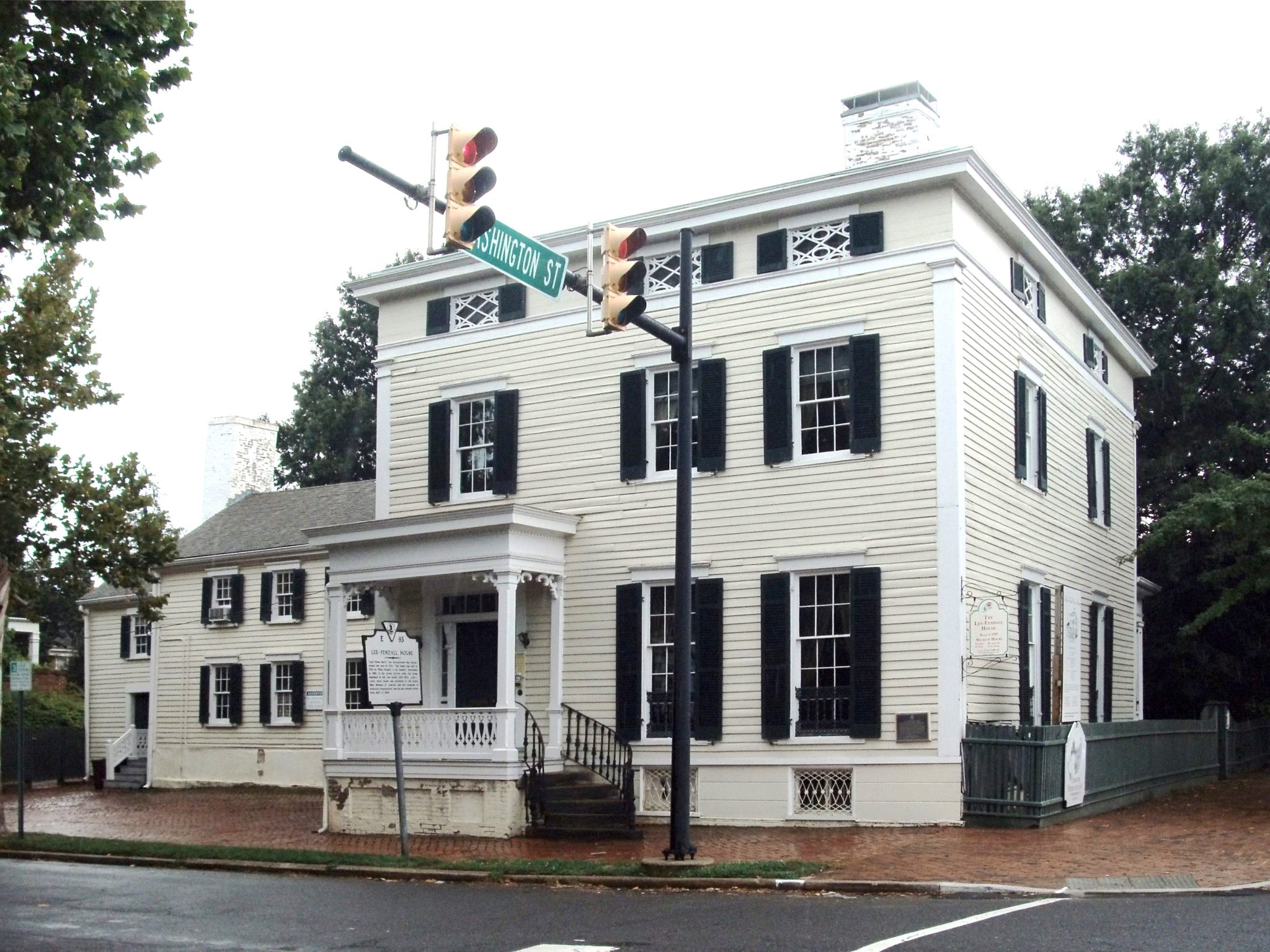
Lee-Fendall House
On the corner of Oronoco and Washington Streets in Old Town Alexandria, the Lee-Fendall House has been standing since 1785 — long enough to have absorbed nearly every defining era of American history within a single set of walls. It was built in the vernacular telescopic style common to Maryland but rare in Northern Virginia, constructed by Philip Richard Fendall on land sold to him by his stepson-in-law Henry "Light-Horse Harry" Lee, the Revolutionary War cavalry commander and father of Robert E. Lee. From 1785 until 1903, thirty-seven members of the Lee family lived here. The house was completed by November 1785, when George Washington noted in his diary dining at the Fendall home — one of at least seven recorded visits. Following Washington's death in December 1799, the house became a gathering place where Alexandrians organized their participation in his funeral at Mount Vernon. Former President John Quincy Adams visited in 1841. President Woodrow Wilson was received there in 1914. The Civil War interrupted all of that. In 1863, Union Chief Surgeon Edwin Bentley requested the use of what he called "the rebel house opposite Grosvenor Hospital" and was granted authority to seize it. The current occupant, Harriotte Cazenove, refused to swear the Loyalty Oath to the Federal Government, so the house was confiscated for unpaid taxes and converted into Grosvenor Branch Hospital. The Army expanded the property with additional wooden ward buildings and constructed a dead house on the grounds. Approximately 1,700 Union soldiers were treated there between 1863 and 1865, and nearly 100 died within those walls. The hospital's place in medical history is singular: it was the site of the first documented successful blood transfusion performed in North America, carried out by Dr. Bentley during the war. When the hospital closed in April 1865, the house was returned, sold, and passed through several families before Robert Downham — an Alexandria haberdasher whose father had twice been the city's mayor — purchased it in 1903. In 1937, labor leader John L. Lewis bought the house. Welsh-born, Iowa-raised, Lewis had risen from coal miner to president of the United Mine Workers of America for over four decades, eventually defying both Franklin Roosevelt and Harry Truman, founding the CIO, and reshaping American labor law from his base in Washington. At one point during a wartime strike he was strung up in effigy at the corner of Washington and Oronoco — directly outside the house he lived in. He died there on June 11, 1969, at age 89. His son sold the property to the Virginia Trust for Historic Preservation. The Lee-Fendall House Museum and Garden opened to the public in 1974. The paranormal claims are understated but consistent, and the museum leans into its haunted reputation enough to host annual ghost tours each October. Visitors have reported a female apparition in period dress moving through the interior rooms. A separate figure — a woman accompanied by a child — has been seen appearing on the back stairs. The sound of an antique telephone ringing has been heard by multiple people in rooms where no working telephone exists. The museum appeared in an episode of the television series Ghost Hunters. The weight of what occurred inside — nearly a century of Lee family life, hundreds of soldiers dying during two years of wartime medical care, the passing of one of the most consequential labor figures in American history — leaves the kind of residue that tends to generate these accounts. Open Wednesday through Sunday for guided tours. The garden is free.
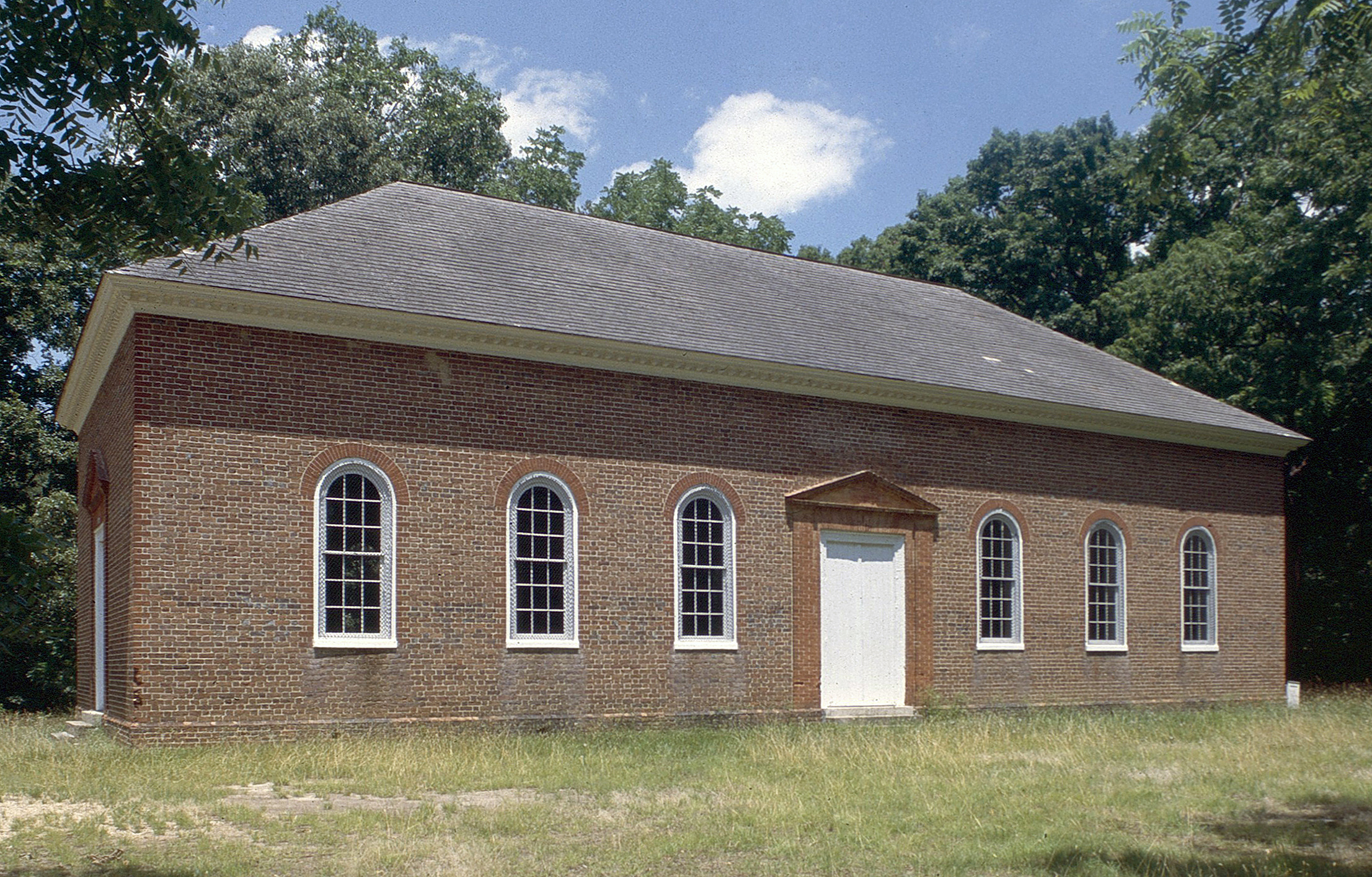
Lamb's Creek Church
Lamb's Creek Church stands off a quiet rural road in King George County, Virginia, half a mile north of the old King's Highway—a small, elegant brick rectangle with a hipped roof, seven bays of round-headed windows, and gauged brick doorways that represent some of the finest colonial craftsmanship in the Virginia Tidewater. It was built between 1769 and 1770 to serve Brunswick Parish, attributed to architect John Ariss, and it achieved a level of sophistication with almost no ornamentation at all. The brickwork alone tells you everything about what the builders intended—precise, restrained, and built to last centuries. It has. The parish traces its origins to the early 1700s, when Brunswick Parish was carved from older parishes along the Rappahannock River. Its first house of worship, known as Muddy Creek Church, was likely a log chapel near the boundary of King George and Stafford Counties. As the population shifted eastward, the congregation needed a larger, more centrally located building, and Lamb's Creek Church was the result. The design closely resembles Payne's Church in Fairfax County, also attributed to Ariss, which was demolished by Union troops during the Civil War. Lamb's Creek survived the war, but not without scars. The church still possesses two rare treasures from its colonial past—a 1716 Vinegar Bible, so named for a famous misprint in Luke 20 that reads "the parable of the vinegar" instead of "the vineyard," and a 1662 missal—but the interior tells a harder story. During the Civil War, Union cavalry used Lamb's Creek Church as a stable. Soldiers of the 1st Pennsylvania Cavalry tore out the pews, scattered the floor with straw and pistol cartridges, hitched horses to the headstones in the surrounding burial ground, and built fires on the graves. A wartime account from the Harris Light Cavalry described the scene with disgust, noting the church was 122 years old, built of three brick walls, and contained two pulpits, paintings, and inscriptions—all of it desecrated. The account concluded that every officer of the 1st Pennsylvania Cavalry should be dismissed from service for what had transpired there. After the war, the church fell into disuse and neglect. It was not restored to active Episcopal service until 1908. Today it stands as part of the Hanover-with-Brunswick Parish of the Diocese of Virginia, largely inactive, used primarily for an annual homecoming service held on the last Sunday of August. The haunting associated with Lamb's Creek Church is a single, vivid legend that has persisted since the Civil War era. Two Confederate soldiers, the story goes, entered the church during the conflict and encountered the apparition of a woman in white kneeling at the chancel rail in prayer. She was not a living person. The figure appeared and then was gone, and the soldiers carried the account with them. The Lady in White has been the church's signature ghost ever since—a spectral worshipper still attending a service that ended long ago, in a building that had been emptied of its congregation and filled with horses and men who had no use for what the space was built to hold. It is a restrained claim, almost genteel in its simplicity, and it fits the character of the building. Lamb's Creek Church is not a place that invites sensationalism. It is a place where the brickwork is still tight after 250 years, where the proportions still hold, and where the silence inside carries the weight of everything that has passed through it—colonial worship, revolutionary upheaval, wartime violation, decades of abandonment, and a slow, quiet return. The church was added to the National Register of Historic Places in 1972. It is available for weddings and events. The Lady in White, if she is still there, has the chancel to herself.

Sweet Briar College
California State University, Fullerton occupies a substantial campus in Orange County, serving thousands of students across numerous academic disciplines and serving as a major institution of higher education in Southern California. The sprawling grounds contain multiple buildings, libraries, academic facilities, administrative structures, and residential areas spanning many acres. What distinguishes Cal State Fullerton from many other university campuses is the series of catastrophic events that have occurred on its property, each leaving psychological and apparent spiritual impressions that continue to affect the environment decades after the incidents themselves. The most significant traumatic event occurred on July 12, 1976, when Edward Charles Allaway, a custodian employed by the university, entered the basement of Pollak Library South armed with a .22 caliber semi-automatic rifle. In a sudden outburst of violence that shocked the university community and the nation, Allaway fired repeatedly at students and staff members he encountered, killing seven people and wounding two others. The violence was sudden, unexpected, and devastating, creating immediate trauma throughout the campus and leaving permanent scars on the institution's collective memory. The 1976 massacre was not the only tragedy to befall Cal State Fullerton, though it was the most dramatic. Between 1977 and 1982, a series of five suicides occurred at the university, with all victims jumping to their deaths from the upper floors of the Humanities Building. Five individuals from the fifth and eighth floors plunged to their deaths across this five-year period, creating a psychological crisis that prompted the university to install protective metal grating on the external stairways of the Humanities Building in an attempt to prevent further tragedies. These suicides suggested a pattern of despair affecting the campus community during this period, though the exact causes and connections between these incidents remain unclear. The combination of the mass shooting and the series of suicides within a five-year span created an environment of loss, trauma, and unexplained tragedy that had few parallels on American university campuses. These tragedies have apparently created conditions for persistent paranormal manifestations across multiple campus locations. In the Pollak Library South basement, where Edward Allaway committed his violence, employees and students have documented unexplained apparitions and manifestations. The service elevator in McCarthy Hall has become particularly notorious for paranormal incidents, with reports indicating that the elevator will spontaneously descend to the basement floors on Sundays and become trapped there, unable to respond to floor selections or button commands despite proper mechanical function. One student assistant working in the library basement restroom experienced multiple simultaneous paranormal phenomena: the restroom door suddenly slammed shut with force, and the automatic paper towel dispenser activated repeatedly and compulsively, dispensing paper towels in an endless stream until the trash can overflowed completely. Disembodied voices have been reported by multiple witnesses in various campus buildings, particularly in areas associated with the shooting or suicide locations. The university barn area has documented paranormal phenomena attributed to unidentified spirits, and observers describe a pervasive atmosphere of sadness and unease in locations where deaths occurred. Laughter sounds with no apparent source have been heard in the Humanities Building at night. Some reports describe supernatural energy of such intensity that residents in nearby dormitories have reported their beds vibrating or shaking without any physical cause. Cal State Fullerton represents an unusual case where an institution of learning has become overlaid with layers of traumatic history so profound that paranormal phenomena appear to have become woven into the very fabric of campus existence.
Fall Hill Plantation
The Van Alstyne House, known colloquially as Galveston's Gingerbread House, stands as an ornate Victorian mansion in Galveston, Texas, representing the architectural grandeur and prosperity of late nineteenth century Gulf Coast society. The elaborate structure showcases intricate Victorian design elements, decorative woodwork, and the elaborate embellishments that characterize the style, earning its affectionate nickname from the ornate and confectionery appearance of its exterior detailing. The mansion was constructed during Galveston's peak as a major port and center of commerce, when wealthy merchants and industrialists built increasingly elaborate residences to demonstrate their economic status and cultural refinement. The house served as a family residence for generations, witnessing the joys and sorrows of those who lived within its walls, accumulating the emotional imprints and spiritual residues that many believe contribute to its haunted status. Alfred Albert Van Alstyne, a prominent figure in the household, died within the mansion in 1926, an event that appears to have left an indelible mark upon the location and may be connected to the ongoing paranormal phenomena. The paranormal activity at Van Alstyne House centers primarily on the attic, which has become known as the most actively haunted section of the entire mansion, though manifestations occur throughout the structure. The laughter of phantom children echoes through the attic and adjoining rooms, disembodied voices that sound authentic and childlike yet emanate from areas where no children are present. This phenomenon has been repeatedly documented by residents, visitors, and paranormal investigation teams, with recordings capturing the distinct sounds of children playing and laughing in areas where no living children could account for the sounds. Moving toys manifest spontaneously, with playthings repositioning themselves on shelves and floors despite being secured or left in specific locations. These movements appear purposeful rather than random, suggesting an intelligent consciousness manipulating objects in patterns that recall childhood play and amusement. Autonomous mechanical anomalies plague the mansion, with devices and systems activating themselves without human intervention or electrical cause. Alarms sound at inexplicable times, bells ringing and warning systems activating despite being disabled or locked. These phenomena suggest a consciousness capable of interacting with mechanical systems, an intelligence that understands the machinery and can manipulate its operation from a distance. Apparitions dressed in Victorian attire appear throughout the mansion, both male and female figures in period-appropriate clothing that suggests they inhabited the house during the late nineteenth or early twentieth century. These specters move through rooms, appear briefly before witnesses, and sometimes seem unaware of the living individuals observing them, suggesting residual hauntings of particularly traumatic or emotionally significant moments. Moving objects occur throughout the mansion without explanation, items shifting position, falling without cause, or appearing in locations inconsistent with their previous placement. Paranormal researchers and historians have developed theories regarding the identities and origins of the spirits haunting Van Alstyne House. The phantom children are believed to represent either children who died within the household or who developed emotional attachments to the mansion during their lifetimes. The grieving sea captain referenced in historical accounts may represent a male family member or associated individual who suffered tremendous loss while connected to the maritime industry that fueled Galveston's economy. Alfred Albert Van Alstyne's death in 1926 may have triggered or intensified the manifestations, his passing potentially serving as a catalyst for spiritual activity that persists to the present day. The specificity and intelligence of the phenomena suggest multiple distinct entities rather than simple residual hauntings, pointing toward a complex spiritual ecosystem within the mansion's walls. Today, the Van Alstyne House remains one of Galveston's most famous and actively haunted properties, drawing paranormal investigators, historical researchers, and ghost tour groups to its ornate Victorian exterior and mysterious interior. The mansion continues to function in various capacities while maintaining its reputation as a center of intense paranormal activity. Visitors and staff members report ongoing encounters with the phantom children, the apparitions, and the mechanical anomalies that define the haunting experience. The balance between the mansion's architectural beauty and historical significance and its role as a paranormal hotspot makes Van Alstyne House a unique and compelling destination for those interested in both Victorian history and supernatural phenomena, a location where elegance and mystery coexist in an enduring dance of past and present.
Ball’s Bluff Battlefield
Ball's Bluff Battlefield stands as a significant Civil War historic site marking the location of an early Union defeat during the American Civil War in October 1861. The battlefield lies along the Potomac River in northern Virginia, a strategically important region that saw frequent military engagement throughout the conflict. The battle resulted in a crushing defeat for Union forces under the command of Colonel Edward Baker, a senator and military officer who was killed during the fighting. Approximately 221 Union soldiers were killed, wounded, or captured during the brief but intense engagement, while Confederate forces suffered far lighter casualties, resulting in a demoralizing loss for the fledgling Union Army early in the war. The precipitous bluff overlooking the river became the site of desperate fighting and tragic loss, as Union forces were driven toward the cliff edge while attempting to retreat across the Potomac. The paranormal phenomena reported across the battlefield center on multiple locations including the cemetery, battlefield perimeter, tree line, and canal area, suggesting that the haunting extends broadly across the entire site rather than concentrating in a single location. Phantom screams and moans emanate from the grounds, particularly during nighttime hours and in areas where the fiercest fighting occurred. Visitors report hearing the anguished cries of the dying and wounded, disembodied voices calling out in distress or commands, and the unmistakable sounds of conflict echoing across otherwise silent terrain. These auditory phenomena appear to replay moments of the battle itself, as if the traumatic events are imprinted upon the landscape itself. Visual manifestations have also been extensively documented, with misty figures appearing on the battlefield perimeter and tree line, often described as spectral soldiers moving in formation or attempting to carry out military maneuvers. These apparitions frequently appear dressed in Civil War era uniforms and equipment, suggesting they are authentic manifestations of the soldiers who died in the conflict. Violent tree shaking without wind or meteorological explanation has been reported in wooded areas of the battlefield, as if unseen forces are engaging in combat beneath the canopy. Mysterious handprints have appeared on vehicles and other surfaces, with temperatures around the prints being unnaturally cold and the prints themselves being unexplained in origin. Mechanical troubles plague vehicles driven through certain areas of the battlefield, with engines stalling, electrical systems malfunctioning, and electronic devices failing without apparent cause. These mechanical anomalies often cease once visitors leave the affected area, suggesting an intelligent manifestation rather than random equipment failure. The spirits reportedly haunting Ball's Bluff are believed to be Union soldiers from the 1861 battle, soldiers who died far from home in a military engagement that many view as a cautionary early defeat for the Union cause. Many of the casualties were never properly accounted for or given dignified burial, with bodies left on the battlefield for extended periods before recovery. The precipitous geography of the location, with soldiers being driven over the bluff into the river below, added a particularly traumatic element to the defeat. Soldiers who survived the initial combat often drowned attempting to cross the river or were captured in chaotic retreat. The accumulated trauma and tragedy of the engagement appears to have created a lasting imprint upon the location. Today, Ball's Bluff Battlefield remains a preserved historic site maintained by the National Park Service, honoring the soldiers who died in the engagement and serving as an educational resource for understanding early Civil War military operations. Visitors and paranormal investigators continue to report active manifestations across the site, suggesting that the spirits of those who died in 1861 remain present and engaged at the location. The battlefield serves as both a memorial to the fallen and a compelling example of how locations of mass trauma can develop persistent paranormal activity that endures well beyond the historical events themselves. Many visitors report a profound sense of sadness and loss when walking the grounds, emotions that may reflect the presence of spirits still bound to the location by the violence and tragedy of their deaths.
Jeters Chapel of the Brethren Cemetery
Jeters Chapel of the Brethren Cemetery stands as a historic burial ground located in Vinton, Virginia, serving as the final resting place for members of the Brethren religious community and their families across multiple generations. The cemetery represents a significant location within Virginia's religious and cultural history, documenting the presence and activities of the Brethren denomination and their contributions to the spiritual and social fabric of the Roanoke Valley region. The chapel structure associated with the cemetery reflects the architectural traditions of nineteenth and early twentieth-century rural American religious buildings, featuring the modest and utilitarian design characteristics typical of Brethren meeting houses and worship spaces. The grounds have been maintained continuously as a burial site and sacred space, with generations of family members having gathered at the location for funeral services, graveside remembrances, and cemetery maintenance activities. The cemetery's role as a location of spiritual significance and death-related activities has created conditions apparently favorable for the manifestation of paranormal phenomena that have been documented by multiple observers over an extended period of time. The primary paranormal phenomenon documented at Jeters Chapel of the Brethren Cemetery involves the appearance of a figure described as a man wearing a white robe, observed floating or levitating near the center of the cemetery grounds without apparent physical support or explanation for his apparent suspension in mid-air. The identity of this spectral figure and the circumstances of his death or connection to the cemetery remain subjects of speculation and investigation, though his distinctive appearance in white robes suggests possible involvement with religious practices or ceremonial activities. The manifestation appears most frequently in the central area of the cemetery, a location that may hold particular spiritual or historical significance within the broader cemetery landscape. The repeated observations of this apparition across different time periods and by multiple independent witnesses suggest a consistent and stable paranormal phenomenon rather than isolated or anomalous events. The floating or levitating nature of the apparition at Jeters Chapel of the Brethren Cemetery distinguishes this paranormal phenomenon from typical apparitional manifestations that generally appear to walk or move across the ground in conventional patterns. The suspension of the figure in mid-air suggests either an unusual manifestation of paranormal phenomena or the operation of principles governing spiritual entities that differ fundamentally from the physical laws constraining living humans. The apparent spiritual or religious nature of the figure's appearance, suggested by the white robes and the location within a sacred cemetery space, indicates possible connection to the Brethren religious tradition or to religious practices and beliefs that may have influenced the individual during life. The consistency of the manifestation and the distinctive nature of the floating phenomenon have made this location notable within paranormal research communities in Virginia and the broader southeastern United States. Paranormal researchers investigating Jeters Chapel of the Brethren Cemetery have documented the apparition through eyewitness accounts, photographic investigations, and interviews with cemetery visitors and local residents familiar with the location. The distinctive characteristics of the floating man apparition have sparked investigation into possible explanations involving religious martyrdom, ceremonial practices, or spiritual conditions that may have created the conditions for such an unusual manifestation. Some paranormal researchers have speculated that solar lights or other artificial illumination in the cemetery may create illusions contributing to the sightings, though alternative explanations acknowledging genuine paranormal phenomena remain supported by the consistency of multiple independent witness accounts. The ongoing investigation and documentation of this phenomenon contribute to the broader understanding of unusual paranormal manifestations and the diversity of apparitional phenomena documented across different geographic locations and cultural contexts. Jeters Chapel of the Brethren Cemetery continues to serve its primary function as a burial ground and sacred space for the Brethren community while maintaining its status as a documented paranormal research site. The ongoing manifestations and continued interest in the paranormal phenomena at this location have led to inclusion in broader paranormal research databases and references in investigations into southeastern Virginia haunted locations. The unique nature of the floating figure apparition and the religious context of the cemetery setting distinguish this location as a particularly significant paranormal research site. The continued documentation of paranormal phenomena at Jeters Chapel of the Brethren Cemetery contributes to the understanding of how religious spaces, burial grounds, and sacred locations may serve as focal points for sustained supernatural manifestations and the appearance of spiritual entities that defy conventional physical explanation.
Thornrose House
Thornrose House evolved from residential mansion into an upscale bed and breakfast inn, retaining architectural grandeur while adapting to commercial hospitality. The structure exemplifies aesthetic and construction standards of its era, with rooms designed for guest comfort while preserving character that attracted visitors seeking authentic period atmosphere. The inn became recognized as a destination for those valuing historical authenticity, drawing guests across the region who appreciated sleeping within walls witnessing over a century of residential history. The inn developed reputation for both comfortable accommodations and distinctive paranormal character, with word of mouth spreading awareness that the structure harbored otherworldly presence among living guests. The central figure in the haunting is an entity known as Caroline, a woman whose historical identity remains obscured despite specificity of her manifestations. Little biographical information about Caroline has survived into contemporary historical record, with personal details, life dates, family relationships, and death circumstances remaining shrouded in mystery. Knowledge derives entirely from descriptions of visitors and investigators who experienced her presence rather than documentary sources. The gap between detailed phenomenological accounts of paranormal activity and biographical paucity creates a haunting paradox, suggesting a life of sufficient tragedy to anchor her spirit to this location. Speculation among paranormal researchers centers on personal trauma, romantic tragedy, or unresolved psychological distress as explanations. Caroline's presence manifests through consistent visual and auditory phenomena concentrated in Caroline's Room yet extending throughout the inn. Guests and staff report clear apparitions of a woman in period-appropriate white clothing with dark hair pinned in late nineteenth or early twentieth century styling, appearing in doorways and windows engaged in seemingly purposeful but repetitive actions. The apparition frequently paces back and forth, hands moving in anxiety and concern with constant hand-wringing suggesting emotional distress. Visual manifestations occur most frequently during twilight and depths of night when natural light abandons interior spaces. The location has become known for distinctive auditory phenomenology including thumping sounds of considerable force without apparent source, followed by transitions into lighter sounds resembling skipping movements. Acoustic phenomena present complex patterns suggesting either multiple entities or single entity expressing different emotional states. Footsteps documented by numerous witnesses range from singular footfalls to what appears to be half a dozen individuals moving through interior spaces simultaneously, creating impossible activity patterns. Footsteps display no consistent temporal pattern, sometimes manifesting in late evening when guests occupy rooms, other times emerging during depths of night when human activity should have ceased. Sounds traverse corridors and move between rooms as though following routes understood only to whatever intelligence generates them. Particularly striking are descriptions of heavy thumping sounds developing into skipping sounds, creating incongruous transitions suggesting personality expressing itself through auditory manifestations. Contemporary Thornrose House exists in productive tension with its paranormal reputation, creating distinctive appeal for guests seeking authentic historical atmosphere inflected with supernatural elements. Proprietors maintain the inn as functioning hospitality establishment with careful attention to guest comfort despite paranormal dimensions. Guests typically know of paranormal reputation and actively seek such experiences, creating self-selected population predisposed to interpret ambiguous phenomena as paranormal. Nevertheless, accounts from skeptical visitors initially dismissing paranormal stories describe experiences forcing reconsideration, suggesting phenomena operate with sufficient consistency to overcome ordinary skepticism. The reputation has generated sustained interest from paranormal researchers, ghost enthusiasts, and regional tourists, establishing Thornrose House as recognized destination within paranormal tourism networks.
Lyric Theatre
The Lyric Theatre in Tupelo, Mississippi, stands as a significant example of early twentieth-century entertainment architecture, constructed during an era when theatrical venues served as primary centers of cultural life and social gathering for surrounding communities. Built to accommodate the region's growing demand for live performance venues and motion picture exhibitions, the theatre represented a substantial investment in cultural infrastructure and entertainment provision for Tupelo's residents and visitors. The structure exhibits architectural characteristics typical of prestigious theatrical venues from its construction period, with careful attention to acoustic design, sightline optimization, and decorative elements that enhanced the audience's aesthetic experience. The theatre's interior spaces include a main performance hall, projection facilities, backstage areas, and accessory spaces designed to support theatrical productions and film screenings of various scales. Throughout its operational history extending across multiple decades, the Lyric Theatre hosted numerous performances, cultural events, and community gatherings that contributed substantially to Tupelo's social fabric and cultural identity. The venue accommodated musical performances ranging from local amateur productions to traveling professional ensembles, theatrical presentations, dance recitals, and educational programs that served diverse audiences within the surrounding region. The theatre's stairways and public spaces became familiar to generations of visitors who attended performances and events, creating a shared cultural experience that contributed to community cohesion among Tupelo's residents. The theatre's operational significance extended beyond mere entertainment provision to encompass its role as a gathering space where diverse community members convened in shared appreciation of performance and artistic expression. The paranormal phenomena documented at the Lyric Theatre center upon the presence of an entity the current staff and regular visitors have collectively designated as Antoine, a designation suggesting either a personal name or nickname assigned to the resident spirit inhabiting the venue. Antoine's presence manifests through a consistent pattern of behavioral phenomena documented by multiple witnesses across extended time periods, establishing the entity as a genuine and persistent presence rather than a transient or isolated occurrence. The ghost demonstrates apparent agency and intentional action, including the manipulation of physical objects, the production of audible phenomena, and the generation of cold spots in specific locations within the theatre's interior spaces. Antoine's behavior pattern suggests an entity capable of deliberate interaction with the physical environment and potentially interested in maintaining a presence within the theatre space. Detailed accounts of paranormal phenomena at the Lyric Theatre describe Antoine's characteristic behaviors and the sensory experiences associated with encounters with the entity. Witnesses report hearing phantom footsteps ascending and descending the theatre's stairways at times when no living individuals are present, with the sounds demonstrating consistent patterns and directionality suggesting purposeful movement rather than random acoustic phenomena. Staff members and visitors have reported hearing Antoine humming, often in a pattern consistent with musical passages associated with performances held at the venue. Documented accounts describe disembodied voices producing indecipherable muttering throughout various interior spaces, accompanied by distinct cold spots. Additional witnesses report encountering a female voice within the theatre's interior, producing sounds described as shrieking or crying, suggesting a second entity or additional manifestations. The Lyric Theatre remains operational in contemporary times, continuing to serve cultural and entertainment functions within the Tupelo community through its ongoing programming and events. The theatre has achieved recognition within paranormal research circles as a location of documented and sustained supernatural phenomena. Visitors and staff members continue to report experiences consistent with previous documentation, suggesting that the entities inhabiting the space, particularly Antoine, remain actively engaged with the theatre and its current occupants. The continued presence of theatrical spirits stands as a testament to the enduring power of beloved locations to create supernatural attachments that persist beyond the boundaries of mortal existence.
The Lafayette Inn
The Lafayette Inn, situated in Stanardsville, Virginia, operates as a combined lodging and dining establishment serving travelers and locals within the Shenandoah Valley region, an area known for natural beauty, historical significance, and abundant haunted locations. The inn maintains historical roots extending through the nineteenth and twentieth centuries, having served multiple generations of guests seeking accommodation, hospitality, and dining experiences. The building's architectural character reflects construction styles and design sensibilities of its era, creating a physically evocative space carrying visual and spatial reminders of historical periods through which it has persisted. The inn's location places it within a region rich in American historical significance including Civil War connections and colonial settlement patterns. The establishment maintains continuous operation as a hotel and restaurant, providing modern amenities while preserving the historical character and paranormal atmosphere that have made the Lafayette Inn a point of interest for ghost enthusiasts. Paranormal phenomena appear distributed across multiple floor levels and spatial areas, with the third floor demonstrating particularly intense and frequently reported supernatural activity. The entity most directly associated with third-floor haunting is believed to be the spirit of S. Durward Hoag, a former owner or prominent operator during an earlier establishment period. Hoag's death appears to have occurred within the building, possibly under circumstances creating strong emotional attachment or unresolved business matters binding the spirit to the location. The apparition manifests as a ghostly presence moving through hallways and corridors, particularly on the third floor, engaging in activities inconsistent with randomly wandering spirits, suggesting purposeful movement or repetitive behavioral patterns. Witnesses describe sensations of presence, glimpses of shadowy forms, and encounters with the apparition in various clarity and visibility states. A second significant paranormal entity is a ghostly maid dressed in period-appropriate black servant's attire consistent with formal dress codes of nineteenth or early twentieth century hotel staff. This female spirit appears engaged in occupational activities related to cleaning and maintaining the inn's rooms and furnishings, suggesting a spirit still performing life duties. The maid apparition manifests in various rooms, particularly in hallway areas and housekeeping-associated spaces. Her manifestations carry purposefulness and routine consistency, suggesting a spirit bound by habit and occupational memory. A third entity, identified as a young boy named Thomas, has been documented primarily in basement areas, appearing as a juvenile apparition engaged in childlike behaviors. Paranormal activity extends beyond apparitional encounters to include interactive and mischievous supernatural behaviors affecting guests and staff. Objects mysteriously disappear and reappear in unexpected locations, suggesting telekinetic movement or systematic manipulation by spirits engaging in pranks. Doors open and close without visible human agency. Disembodied footsteps echo through hallways, heard by witnesses but attributable to no living source. Cold spots appear in specific room locations despite stable ambient temperatures elsewhere. Guests and staff report strong emotional impressions and inexplicable sensations coinciding with paranormal presence encounters. Paranormal investigation teams have documented electromagnetic anomalies, temperature fluctuations, and audio phenomena consistent with genuine spiritual presences. The Lafayette Inn's reputation as genuinely haunted has become central to its business identity, with many guests specifically choosing to stay because of paranormal reputation. The inn continues operating successfully while maintaining status as one of Virginia's most reliably haunted hotel and restaurant establishments.
Cork Street Tavern
Cork Street Tavern in Winchester, Virginia represents one of the commonwealth's oldest continuously occupied commercial establishments, its fieldstone walls and timber-frame construction bearing witness to more than two centuries of American history. Located in downtown Winchester, the tavern traces its roots to the colonial period when the city served as a crucial trading post along the Shenandoah Valley, connecting frontier settlements to established eastern urban centers. The building's architectural integrity and the layering of its historical uses reflect the broader pattern of institutional continuity found in many Virginia settlements. The tavern's stone fireplace and original bar fixtures remain largely intact, preserving authentic period materials. Throughout the nineteenth and twentieth centuries, Cork Street Tavern developed a reputation as a lively social center where locals and travelers congregated to share meals, conduct business, and exchange news and gossip. The dining areas and intimate bar spaces became known for their convivial atmosphere. The basement and lower levels, accessed by a narrow stone staircase, provided additional storage and preparation spaces that expanded the building's functional capacity. The women's restroom, positioned near the front dining area, represented a later addition reflecting evolving social customs regarding public amenities and expectations. Generations of business owners invested in the tavern's maintenance and modernization while carefully preserving its historical character and original structural elements. Paranormal phenomena at Cork Street Tavern emerged during the early 1990s when restaurant staff and patrons began reporting unusual incidents and inexplicable occurrences. The most prominent entity, identified as Emily, appears to manifest in the women's restroom and surrounding dining areas with notable consistency and frequency. Witnesses have reported being physically tripped or pushed by invisible forces while passing through the dining room, suggesting an interactive rather than merely observational presence. A second documented spirit, identified as John Mann, appears as a man dressed in period attire including a frock coat, manifesting primarily in the dining areas and basement regions. Visitors and staff have reported hearing unexplained footsteps echoing through the building at unexpected times and discovering items relocated or rearranged without visible cause or explanation. Professional paranormal investigation teams have examined the premises and documented accounts from multiple independent witnesses. Physical investigation has yielded consistent documentation of temperature anomalies and electromagnetic fluctuations that cannot be attributed to the building's mechanical systems or ordinary environmental factors. Electromagnetic detection equipment has registered significant variances in areas where apparitions are frequently observed, particularly near the women's restroom and basement stairs. Photographic evidence purporting to show spectral imagery has been captured by both amateur and professional investigators. The consistency of experiences across multiple witnesses with no direct communication between them regarding specific details strengthens the conclusion that objective phenomena account for the documented experiences rather than mass psychology or suggestion. Cork Street Tavern today continues its function as an active commercial establishment serving the Winchester community and regional visitors seeking authentic historical dining experiences and atmospheric ambiance. The building has undergone selective restoration to maintain structural integrity while preserving original features that define its historic character. Guided paranormal tours and investigations have become occasional components of the venue's programming. The tavern's reputation as a genuinely haunted location has become integrated into local historical awareness and regional paranormal tourism networks. Professional and amateur investigators continue to monitor the location for recurring patterns and manifestations.
Wayside Inn
The Wayside Inn in Middletown, Virginia stands as a historic establishment that predates the founding of the United States, having been constructed in 1797 as a lodging and hospitality establishment serving travelers and merchants moving through the Shenandoah Valley region. The inn occupies a strategic location along the valley's primary transportation corridor, positioning it to serve substantial volumes of travelers during the nineteenth century as overland commerce, stagecoach travel, and railroad development transformed regional transportation patterns. The building's architecture reflects the federal-era construction standards and aesthetic principles dominant in early American commercial establishments, featuring period timber framing, brick or stone construction, and classical proportions. The structure's continuous operation through nearly two hundred thirty years of American history establishes it as a remarkable example of architectural persistence, having survived the destruction and trauma of the American Civil War. The most defining moment in the Wayside Inn's history occurred during the American Civil War, when the building served a medical function rather than its conventional hospitality purpose, operating as a hospital and care facility for wounded and injured military personnel. The geographical position of the Shenandoah Valley positioned the region directly in the path of military campaigns, with frequent clashes between Union and Confederate forces creating substantial volumes of casualties. The Wayside Inn was commandeered for medical purposes by military authorities from whichever side controlled the territory. Hospital records suggest that the inn served both Union and Confederate forces at different times, creating a dual legacy of care provided to injured soldiers regardless of their military allegiance. The trauma of war, the suffering experienced by wounded soldiers, the deaths that surely occurred within the inn's spaces, and the emotional weight of the medical care provided created profound psychic impressions within the physical structure. The paranormal phenomena at the Wayside Inn manifest primarily through apparitions of injured military personnel wearing uniforms identifiable as belonging to both the Union and Confederate armies. Guests and staff have documented encounters with spectral figures of men bearing evidence of war injuries, moving through the inn's spaces or appearing in guest rooms with evident distress and disorientation. The apparitions of soldiers in blue Union uniforms and grey Confederate uniforms appear with sufficient frequency and consistency across different observer populations that their presence can be regarded as established paranormal phenomenon. A distinctive feminine presence, known as the Woman in Blue, manifests as a full-bodied apparition moving through the lobby with graceful, floating movement that witnesses describe as ethereal and dreamlike. This figure appears dressed in period-appropriate clothing, her manifestation suggesting compassion for the suffering persons she ministered to during life. Room 14 has achieved particular prominence in the paranormal documentation, with numerous guests reporting experiences of sudden cold spots, unexplained voices, apparitions, and an overwhelming sense of presence. In contemporary times, the Wayside Inn continues to operate as a lodging and hospitality establishment, having successfully navigated the challenges of remaining commercially viable through two hundred thirty years. Management openly acknowledges the paranormal dimension of the property to prospective guests, incorporating the haunting narrative into the inn's marketing and cultural presentation. The inn has become a destination for paranormal tourism throughout the Shenandoah Valley and broader mid-Atlantic region, attracting ghost hunters, paranormal researchers, and visitors interested in Civil War history and its persistent spiritual consequences. Professional paranormal investigation teams have conducted research at the location, documenting phenomena through contemporary investigative methodologies and comparing documented experiences with historical records of Civil War medical operations.
Olde Towne Inn
The Olde Towne Inn, situated in the historic town of Manassas, Virginia, occupies a structure that embodies both the architectural heritage and the complex historical trajectory of a community that witnessed the violent upheavals of the American Civil War and its aftermath. The inn represents the commercial and hospitality infrastructure that developed to serve travelers, merchants, and residents in a town positioned along important transportation corridors connecting Virginia's interior regions to broader commercial networks. Manassas itself carries the weight of military history, having been the site of major Civil War battles that transformed its physical landscape and left indelible marks on its collective memory. The construction and subsequent history of the Olde Towne Inn reflects the rebuilding and economic evolution of the community following the Civil War's devastation, making it a structure that emerged from and speaks to the historical period of Reconstruction and recovery. The paranormal legacy of the Olde Towne Inn centers primarily on the presence of Miss Lucy, identified as a playful female spirit with apparent historical connections to the Civil War era. Miss Lucy's manifestations suggest a personality that retained much of the liveliness and mischievous character she presumably possessed during her lifetime, making her one of the more interactive and engaging spirits documented in Virginia's paranormal landscape. The specific rooms that constitute Miss Lucy's preferred domain within the inn, particularly rooms fifty through fifty-four with special concentration in room fifty-two, have become focal points for documented paranormal activity and guest experiences. Miss Lucy's paranormal manifestations encompass a wide range of phenomena that distinguish her from other documented spirits in the region and demonstrate her interactive nature and capacity to affect the physical environment. Guests and staff have reported levitation experiences, in which objects or in some extraordinary cases individuals have been lifted without visible physical cause, suggesting a spirit with considerable paranormal power and agency. Strange sounds emanate from the empty rooms and hallways, including disembodied voices, unexplained noises, and auditory manifestations that testify to Miss Lucy's persistent presence and apparent desire to interact with the living. Objects move independently of any physical force, with furniture, small items, and personal belongings being relocated or thrown with apparent intent, behavior characteristic of poltergeist activity. Apparitions of Miss Lucy herself have been sighted by multiple witnesses, described as a translucent female figure dressed in clothing consistent with the Civil War era, appearing most frequently in the rooms and corridors that constitute her known haunting territory. The overall character of her manifestations conveys a trickster quality, a spirit engaged in pranks and mischievous behavior rather than malevolent or threatening activity, suggesting that Miss Lucy's death, while clearly resulting in her spiritual imprisonment, did not fundamentally alter her lively and playful personality. Today, the Olde Towne Inn functions simultaneously as a functioning hotel and as a notable destination for paranormal enthusiasts, thrill-seekers, and individuals drawn to the intersection of history and unexplained phenomena. The inn's management has come to accept the persistent presence of Miss Lucy as an integral aspect of the establishment's reputation and appeal, with many guests seeking accommodation specifically in hopes of experiencing her documented manifestations. The Olde Towne Inn has become particularly notable during the Halloween season, when the inn markets itself explicitly as a haunted location and attracts visitors specifically interested in historical paranormal phenomena. Miss Lucy's persistent presence across nearly two centuries suggests either an attachment to the physical structure itself, a spiritual bond to the historical period the inn represents, or an unresolved aspect of her earthly existence that keeps her bound to this particular location. The inn remains operational and accessible to the public, continuing its original function as a hospitality establishment while simultaneously serving as a paranormal archive documenting the continued existence of consciousness beyond death.
Mary Baldwin College
Mary Baldwin College is located in Staunton, Virginia, a community in the Shenandoah Valley region of Virginia with substantial historical significance related to American colonial history, the American Revolution, and the American Civil War. The college was founded in 1842, established as an educational institution for women during a period when higher education for women was limited and innovative in character. The founding of Mary Baldwin College reflected broader nineteenth-century developments in American education and women's rights, as communities and educational visionaries created institutions dedicated to providing intellectual development and educational opportunity to female students. Staunton itself developed as a regional center of commerce, education, and culture, with the presence of Mary Baldwin College contributing substantially to the town's identity and significance. The college expanded substantially over its first decades of operation, constructing buildings and establishing academic programs that attracted students from across the region. The campus was commandeered during the Civil War period, when federal and Confederate forces occupied the region as military operations swept across Virginia. During this period of military occupation and conflict, the college buildings were utilized as hospital facilities by military forces, transforming the academic environment into a space devoted to treating the wounded and ill of the Civil War. This military occupation and medical use of the college facilities created circumstances of significant human suffering, death, and trauma within the buildings, events that may have left psychological and potentially paranormal impressions. Paranormal activity at Mary Baldwin College has been extensively documented and investigated, with multiple distinct spiritual entities identified as inhabiting various campus buildings and locations. Agnes McClung, a documented spirit whose presence has been identified at the college, is particularly associated with McClung Dormitory, where her apparition has been reported. The spirit of Mary Julia Baldwin herself, the college's founder and namesake, is believed to maintain presence at the institution she created, representing a founder's continuing attachment to the institution that bears her name. Richard, identified by blue-uniformed soldier appearance consistent with Union Army attire, is believed to be a Civil War soldier whose death occurred on campus during the military occupation period, his spirit remaining at the site of his death or trauma. Additionally, actress Tallulah Bankhead, a famous performer who may have attended or visited the college, is allegedly associated with paranormal phenomena on campus. These identified entities represent a diverse group of individuals spanning different historical periods, from the college's founding era through the Civil War to the twentieth century. The paranormal phenomena attributed to these spirits include the appearance of a pale white floating figure observed hovering above beds in dormitory rooms, a manifestation consistent with residual haunt phenomena or interactive apparition. Paranormal activity in other campus locations includes moving mirrors that shift position without apparent cause, picture frames and artwork that are found turned downward or otherwise repositioned without explanation, and lighting effects within Collins Theatre that suggest intelligent manipulation of illumination systems. Objects placed in various campus locations have been reported moved from their original positions by apparent paranormal agency. The history of Mary Baldwin College as an educational institution spanning more than 180 years has created an accumulated environment rich in human experience, emotional development, and personal transformation. The college functioned as a formative environment for thousands of female students, many of whom experienced significant personal, intellectual, and emotional development during their time at the institution. The conversion of the campus to military hospital use during the Civil War created circumstances of extreme human suffering, with wounded soldiers dying from battlefield injuries and disease within buildings otherwise dedicated to education. The intensity of these experiences, the emotional content of students' formative years, and the trauma of Civil War casualties suggest substantial psychological imprinting upon the physical spaces and possibly paranormal manifestation. The continued presence of multiple identified spirits, spanning from the college's founding era to contemporary times, suggests that the institution has accumulated paranormal phenomena reflecting different historical periods and types of human experience. The dormitory apparitions, in particular, suggest spirits drawn to or attached to the spaces where students lived and experienced formative life experiences. The theater phenomena suggest possible attachment to performance spaces where dramatic expression and emotional embodiment occur, similar to theater hauntings documented at other historic performance venues. In the present day, Mary Baldwin College continues its educational mission as a college for women, maintaining its historical role as an educational institution while preserving its campus architecture and historical heritage. The college has embraced its paranormal reputation as a distinctive aspect of its institutional identity, with the documented hauntings incorporated into campus culture and historical interpretation. Local paranormal tours, including Black Raven Paranormal's Ghosts of Staunton Walking Tours, incorporate Mary Baldwin College as a significant stop, drawing paranormal enthusiasts to the campus to explore documented haunt locations. The college's multi-layered history, spanning from its founding through the Civil War and into contemporary times, creates a complex temporal environment where historical figures and experiences remain memorialized in campus spaces and allegedly in paranormal phenomena. Students attending the college occupy the same dormitory rooms and educational spaces as predecessors from 180 years of institutional history, creating continuity of human experience that may contribute to the phenomenon of haunting. The college remains a functional educational institution while maintaining its role as a site of significant paranormal activity and historical interpretation in Staunton's cultural landscape.
Gadsby’s Tavern
Gadsby's Tavern stands as one of Alexandria, Virginia's most historically significant buildings, a structure that has served continuously since its construction in the eighteenth century as a hospitality, dining, and community gathering establishment accommodating prominent figures from American political and commercial history. The tavern was founded by John Gadsby, an enterprising proprietor who established it as a respectably appointed inn and tavern serving traveling merchants, government officials, and social elite who visited Alexandria during an era when the city functioned as a significant port and commercial center. The building's Federal-style architecture, featuring decorative woodwork, period furnishings, and technical details, has been meticulously preserved across more than two centuries of continuous operation, ensuring that the physical environment closely approximates its appearance during the founding era. Gadsby's reputation for maintaining high standards established it as a preferred destination for distinguished guests whose patronage enhanced the tavern's cultural and social significance. Gadsby's Tavern's operational history encompasses the full span of American national development, from the colonial and revolutionary periods through the nineteenth and twentieth centuries, maintaining its function as a hospitality and cultural venue despite extraordinary transformations in American society. The tavern survived the American Revolution, the Civil War and its immediate aftermath, industrial transformation, and the cultural upheavals of the twentieth century, continuing to serve guests and community members throughout these profound historical transitions. The ballroom became legendary as a venue for elaborate social celebrations and formal dances that established standards for Alexandria's social life. The most distinctive and haunting phenomenon associated with Gadsby's Tavern involves the appearance of a female apparition known historically as the Female Stranger, whose death on October 14, 1816, created one of American history's most enduring mysteries. A woman of unknown identity and origins arrived at the tavern during the autumn of 1816, claiming to be traveling from the Caribbean and intending to meet with a gentleman. The woman fell gravely ill during her stay, and despite the care provided by the proprietor and local physicians, she died after only a brief period of residence. Her identity remained a mystery, as she carried no identifying documents and offered confusing accounts of her origins. She was buried in Alexandria's historic cemetery, where her grave remains marked by a distinctive stone acknowledging her as the Female Stranger. Paranormal phenomena attributed to the Female Stranger have been documented consistently since the nineteenth century, generating Alexandria's most famous haunting legend and establishing Gadsby's Tavern as one of Virginia's most actively haunted locations. The primary manifestation involves the apparition of a woman appearing in windows, most frequently in Room 8 where the Female Stranger resided during her fatal illness, her figure visible holding a candle as though searching for someone or attempting to signal. Witnesses consistently describe her appearance as that of a sad, pale woman dressed in nineteenth-century clothing, her expression conveying melancholy, longing, and spiritual distress. The apparition appears most frequently during evening and nighttime hours, with multiple independent observers reporting remarkably similar descriptions. Faint musical sounds have been reported emanating from the historic ballroom, with some witnesses describing the music as resembling period dances or formal social occasions. A distinguished gentleman apparition dressed in eighteenth-century attire has been sighted in the tavern's public areas, potentially representing John Gadsby himself. This apparition appears far less frequently than the Female Stranger and remains less thoroughly documented. Paranormal researchers have conducted extensive investigations within Gadsby's Tavern utilizing electronic voice phenomenon equipment, electromagnetic field detectors, and thermal imaging technology, generating substantial documentation of paranormal activity concentrated in Room 8 and the ballroom. The mystery of the Female Stranger's identity has never been resolved. Today, Gadsby's Tavern operates simultaneously as a historic museum, restaurant, and active paranormal location, with guided ghost tours capitalizing on the legend of the Female Stranger while offering visitors opportunities to experience the venue's architectural character and historical significance.
Virginia Quilt Museum
The Virginia Quilt Museum in Harrisonburg, Virginia stands as a cultural institution dedicated to preserving American quilting traditions with emphasis on regional textile arts and historical significance. The building represents significant architectural presence within Harrisonburg's downtown area, having been carefully repurposed and renovated to serve the museum's curatorial and educational mission. The structure features a grand staircase serving as both functional circulation element and prominent focal point connecting multiple gallery floors and creating dramatic vertical transitions between exhibition spaces. Harrisonburg and the surrounding Shenandoah Valley region possess complex and layered history encompassing Native American presence, colonial settlement, and significant military activity during the American Civil War. The museum's current location has witnessed passage of military forces and civilian population movements during the conflict and subsequent rebuilding. The building itself dates from the Reconstruction era following the Civil War. The staircase and architectural elements reflect late nineteenth-century design principles characteristic of the post-Civil War period. The upper floors connected by this staircase contain exhibition galleries displaying textiles and related artifacts. Paranormal phenomena at the Virginia Quilt Museum center upon a specific location and entity within the building's geography. Joseph Latimer, identified as a Confederate soldier who died during the Civil War, is associated with manifestations reported at the museum. The entity appears most prominently at the top of the grand staircase, where witnesses have observed a full apparition of a soldier dressed in Confederate military uniform complete with bayonet. The figure has been seen descending the staircase on multiple occasions, moving deliberately through gallery spaces with purposeful and intentional motion. The apparition maintains consistent appearance and behavioral pattern, suggesting an imprint of a significant moment or habitual movement from the soldier's lifetime. The staircase location may hold particular significance related to Latimer's death or final moments, though historical documentation connecting the soldier to the building remains incomplete. Visitors report seeing the apparition descend from top floors, sometimes appearing to interact with surrounding architectural space. Paranormal investigation groups have conducted extensive documentation and analysis of phenomena at the Virginia Quilt Museum, examining apparition reports and the site's Civil War connections. The consistency of descriptions from multiple independent witnesses suggests genuine manifestation rather than misinterpretation or suggestion. Researchers have theorized that the entity may be connected to traumatic event occurring at or near the site, with manifestation representing a recurring reenactment or psychic impression of a significant moment. The repeated staircase descent has been interpreted as either habitual movement from life or focused communication attempting to convey information about the soldier's fate. Today, the Virginia Quilt Museum continues its mission of preserving quilting traditions while serving as a documented paranormal location and historical site. The museum's staff have incorporated knowledge of the haunting into understanding the building's complex history. Visitors arriving to view textile exhibitions sometimes encounter unexpected phenomena suggesting inhabited presence within the galleries. The grand staircase remains focal point of both architectural and paranormal significance, drawing particular attention from those interested in Civil War history and supernatural manifestations. The museum thus functions simultaneously as space dedicated to cultural preservation and tangible location where a soldier's presence continues to manifest.
George Mason University
George Mason University occupies a significant geographical and historical position in Northern Virginia, with its primary campus in Fairfax established in the late twentieth century following the institution's expansion from its original Arlington location. The campus encompasses extensive grounds featuring academic buildings, residence halls, athletic facilities, and natural landscape areas including Mason Pond, a water feature central to paranormal reports associated with the university. The pond was created as part of the original master plan for the Fairfax campus, designed to provide aesthetic enhancement to the academic environment and serve recreational functions. The surrounding landscape includes wooded areas, walking paths, and university facilities that create a serene setting during daylight hours but have developed a distinctly different reputation among students and staff familiar with the location's reported paranormal activity. The tragic deaths associated with paranormal activity at George Mason University appear to center on drowning incidents in Mason Pond and related water features. The spirit known as Old Man Johnson is believed to have drowned while rowing on the pond, an incident that presumably occurred during the university's operational history, though precise documentation remains limited in publicly available sources. A second drowning victim, identified as a young man, has been reported as a persistent apparition at the location, with multiple witness accounts describing encounters with water-dripping specters near the pond, fine arts building, campus docks, dam areas, and a gazebo structure. Both drowning deaths appear to have created conditions for persistent spiritual manifestations connected to the water environment where the tragedies occurred. Paranormal experiences at George Mason University reveal a pattern consistent with residual haunting phenomena associated with traumatic death. Witnesses have documented apparitions that drip water, suggesting manifestations directly connected to drowning incidents. Visitors have reported encountering sad-looking spirits displaying emotional states consistent with suffering and loss. Disembodied footsteps have been heard in various campus locations, with documented cases of wall knockings suggesting attempts at communication or manifestations of distress. Shadow figures have been observed moving across walls and through physical spaces without apparent explanation, while unexplained movements of objects have been reported within campus buildings and outdoor areas. The psychological impact of drowning-related deaths on witnesses and those connected to the deceased may have contributed to local legends and folklore. Students who have lived on campus near the pond report elevated levels of unease in areas where paranormal activity has been documented. The academic environment, where intellectual discourse and critical thinking are emphasized, has created tension between empirical skepticism and genuine expressions of unease from credible witnesses. Paranormal research organizations and university folklore societies have conducted investigations to document the reported phenomena, with results remaining inconclusive regarding the ultimate nature of these experiences. In the present day, George Mason University continues as a major educational institution while maintaining a reputation in paranormal folklore circles as a significantly haunted location. The paranormal reports have become integrated into student culture and orientation narratives. The location has attracted paranormal research teams and amateur investigators interested in documenting activity at academically prestigious yet reportedly haunted locations. The spirits associated with tragic drowning events continue to represent both historical tragedy and unexplained contemporary phenomena that persist as elements of the university's informal heritage.
Civil War Museum – Exchange Hotel
The Exchange Hotel in Gordonsville, Virginia emerged as a prominent hospitality establishment during the nineteenth century, serving travelers, merchants, and transient visitors within the context of regional commerce and transportation networks that characterized the Piedmont region of Virginia. The building's construction and operation reflected the architectural and operational standards of antebellum and Civil War era hospitality, providing accommodations and amenities befitting a hotel of notable prominence within a smaller Virginia community. The location's position within Gordonsville granted it significance as a waystation, social gathering place, and community institution where regional life intersected with the broader currents of American historical development, particularly the cataclysmic social upheaval and military conflict that defined the 1860s. During the American Civil War, the Exchange Hotel transformed from a conventional hospitality establishment into an emergency medical facility, with hotel rooms converted into hospital wards, kitchen spaces repurposed for medical supply preparation and patient nutrition, and corridors adapted to accommodate the massive influx of wounded soldiers requiring emergency surgical intervention and nursing care. The conversion from peacetime hospitality to wartime medical necessity reflected the catastrophic casualty rates that the Civil War generated, with mobile field hospitals unable to accommodate the volume of wounded requiring treatment, evacuation, and recuperation. Medical personnel including nurses, surgeons, and support staff labored within the hotel alongside enslaved and hired workers who prepared food, cleaned facilities, and assisted with patient care. Children may have been present as family members of staff or guests, adding complex emotional dimensions to the hotel's transformation from commercial enterprise into space of suffering, trauma, and death. Paranormal manifestations within the Exchange Hotel have been extensively documented and represent some of the most thoroughly investigated paranormal activity in Virginia Civil War sites. The entity identified as Anna, a cook who labored within the kitchen facilities during the hotel's conversion to medical use, has been reported through phantom footsteps, apparition sightings, and unexplained aromas suggesting the preparation of food, with witnesses reporting sensations of cooking smells materializing without any food preparation occurring. Major Quartermaster Richards and individual soldiers appear to maintain spiritual presence throughout the building, manifesting as phantom footsteps moving through hallways, apparitions appearing in period Civil War military uniforms, and cold chills concentrated in specific areas. Disembodied voices have been documented through electronic voice phenomena recordings capturing conversations, commands, and soldier communications appearing to replay wartime activities and medical treatment scenes. The Exchange Hotel Museum has implemented paranormal investigation programs documenting ongoing activity throughout the building, with professional investigation teams and the museum staff itself conducting systematic research into the spiritual phenomena maintaining presence within the Civil War medical facility. Moving objects, water footprints appearing on floors without plausible mechanical source, and unexplained aromas characterize the manifestations, suggesting intelligent haunting activity reflecting the profound trauma, grief, and loss that the Civil War medical facility represented. The museum preserves both the architectural heritage of the nineteenth-century hotel and the documented paranormal phenomena, allowing visitors to encounter both historical interpretation and potential direct experience of spiritual presences apparently unable to depart the location where they experienced or witnessed the catastrophic casualties and human suffering that defined the American Civil War.
Western State Hospital – Dejarnette Building
Western State Hospital was established in Staunton, Virginia during the nineteenth century as a mental health facility designed to provide care and treatment for individuals suffering from mental illness, neurological conditions, and psychological disturbances. The hospital developed into a substantial institutional facility encompassing multiple buildings, grounds, and infrastructure dedicated to the care and containment of psychiatric patients. The Dejarnette Building, named after institutional leadership, represented a significant structure within the hospital's complex, designed to house and treat patients within the facility's medical framework. The hospital's architecture reflected the institutional design philosophies of its era, with large imposing structures, substantial grounds, and facilities engineered to isolate patients and control their movements and activities. The facility's location in rural Staunton positioned it within the broader landscape of American psychiatric institutions. Western State Hospital's operational history spans more than a century of psychiatric treatment and patient care, encompassing evolving approaches to mental illness and varying standards of therapeutic practice. The institution witnessed the implementation of various treatment methodologies, some of which would later be recognized as harmful or exploitative. The early to mid-twentieth century witnessed forced sterilization programs at the hospital, justified through discredited eugenics pseudoscience. These involuntary sterilization procedures, conducted on vulnerable populations including individuals with mental illness and developmental disabilities, represented grave human rights violations. The victims were denied reproductive autonomy and subjected to irreversible surgical procedures against their will, creating lasting trauma. The hospital also practiced electroshock therapy and lobotomy on psychiatric patients. The accumulation of such practices over decades created a legacy of suffering within the institution's walls. Paranormal phenomena at the Dejarnette Building manifest as multiple forms of disturbing phenomena suggesting anguished spirits and the psychic imprints of human suffering. Footsteps move through the building's interior when no living persons are present. Moans and groans emanate from various areas, suggesting manifestations of pain and distress. Whispers echo without identifiable human speakers. Screams, both disembodied and collective, resonate through the structure. Doors open and close autonomously. A pervasive sense of paranoia and dread afflicts visitors, suggesting powerful negative emotional resonance. Disembodied screaming intensifies the disturbing character of the phenomena, with intensity varying according to unknown patterns. The paranormal manifestations appear directly connected to institutional trauma inflicted upon vulnerable populations subjected to involuntary sterilizations and other human rights violations. The accumulation of psychological and physical trauma experienced by patients subjected to forced medical interventions created profound suffering whose emotional weight remains encoded within the physical spaces. The apparent inability of spirits to achieve peace suggests many individuals died bearing the wounds of the medical violence inflicted upon them. The concentration of paranormal phenomena indicates that haunting represents accumulated emotional and spiritual consequences of institutional abuse affecting multiple victims. The abandoned status of the building has preserved the spaces in which abuses occurred, allowing paranormal phenomena to persist. Western State Hospital's Dejarnette Building stands as a location where profound human rights violations left enduring paranormal consequences, creating a haunted space testifying to historical trauma and institutional cruelty inflicted upon vulnerable populations denied agency and protection.
The Natural Bridge Hotel
The Natural Bridge Hotel stands as a historic establishment in Natural Bridge, Virginia, positioned near one of the state's most significant natural attractions along the New River valley. The imposing structure was built during a period of growing American tourism and curiosity about natural wonders, designed to accommodate visitors traveling to witness the remarkable geological formation of the natural bridge itself. The hotel's architecture reflects the conventions of its era, featuring spacious guest accommodations and communal areas typical of establishments catering to the traveling public during the nineteenth and early twentieth centuries. The location became a focal point for travelers seeking both the wonder of natural phenomena and the comfort of refined hospitality, attracting guests from across the region and beyond. The Natural Bridge Hotel existed at a convergence of Native American heritage and European settlement, positioning it within layers of historical significance extending back centuries before its construction. The natural bridge formation itself held deep cultural meaning for indigenous peoples whose territories encompassed the Virginia highlands, and the landscape retained the imprint of this history long after European colonization established its dominion over the region. The hotel's development as a tourism destination reflected the nineteenth century's growing fascination with collecting and displaying natural wonders, turning geological marvels into destinations for leisure and education. Guest records from the hotel's operational years document the diverse backgrounds of visitors who traveled considerable distances to experience this geological wonder and stay within the hotel's accommodations. Over the decades, the Natural Bridge Hotel accumulated stories and experiences that extended beyond the typical operations of a hospitality establishment. Guest accounts began to document unusual occurrences and unexplained phenomena, with visitors reporting sensory experiences and perceptions that defied conventional explanation. A woman in a distinctive red dress became a frequent subject of guest reports, appearing at the foot of beds in guest rooms and manifesting across various areas of the establishment. Additional reports described melancholic female presences observed within corridors and chambers, while phantom footsteps echoed through hallways seemingly of their own accord. Guests and staff also reported glimpsing a glowing figure identified as a Native American man, suggesting a spiritual presence connected to the land's deeper indigenous heritage. The paranormal phenomena documented at the Natural Bridge Hotel reveal patterns consistent with residual hauntings and intelligent spirits interacting with the physical spaces they inhabited in life. The apparition known as the Lady in Red appears with particular frequency in guest bedrooms, suggesting a connection to moments of personal significance or trauma. The manifestation of Native American spirits within the hotel grounds points to the complex spiritual layering of locations where indigenous presence persists despite historical dispossession, their appearances potentially indicating unresolved spiritual business or continued guardianship of ancestral lands. Former owners and family members have been identified among the reported presences, their continued manifestations suggesting attachments to the property they once stewarded and controlled. The Natural Bridge Hotel continues to operate as a hospitality establishment and tourist destination, maintaining its original function while acknowledging the paranormal reputation that has grown alongside its historical prominence. Visitors in contemporary times report continued encounters consistent with documented historical accounts, with phenomena concentrated in guest rooms and corridors where previous sightings were most common. The location serves as a remarkable intersection of natural wonder, historical tourism, and paranormal presence, drawing guests who seek both the geological marvel and the supernatural experiences that the property is known to offer. The ongoing reports from visitors and staff suggest that whatever forces animate the apparitions witnessed here remain active, maintaining their presence within the hotel's chambers and hallways across successive generations of guests.
Ramsay House
The Ramsay House in Alexandria, Virginia, stands as the oldest residential structure in the historic waterfront city, having been constructed in 1724 during the colonial period when Alexandria was a frontier settlement serving as a tobacco trading port on the Potomac River. The house was built by William Ramsay, a Scottish merchant who emigrated to Virginia to participate in the colonial tobacco trade and accumulated significant wealth through commercial operations. Ramsay established himself as a prominent figure in the developing community, leveraging his business acumen to acquire land and construct a residence reflecting his rising social position. The house represents colonial-era architectural styles with features typical of early eighteenth-century colonial Virginia homes, including timber frame construction and hand-forged hardware. The location overlooking the Potomac River provided Ramsay with proximity to shipping and commercial operations essential to colonial tobacco trading. William Ramsay's merchant operations and social prominence positioned him and his family at the center of the community's emerging elite. The house itself served as a focal point for commercial and social gatherings, with Ramsay hosting fellow merchants, colonial officials, and political leaders. The Ramsay House stands as a testament to the architectural ambitions and economic success of colonial Virginia's merchant class, representing the transitional period when Virginia transformed from frontier outpost into established colonial society. Ramsay's descendants continued to occupy the house for generations, maintaining family connections across the colonial and early American periods. The house underwent modifications with additions and renovations reflecting changing styles while the basic structure maintained continuity with its original construction. Alexandria's historical significance as a colonial port town created layers of historical activity and emotional investment in its properties. The Ramsay House overlooks the Potomac River, a waterway prominent in colonial commerce and the American Revolution. The location provided windows and vantage points allowing William Ramsay to observe the river traffic central to his commercial operations. The house witnessed the American Revolution, the establishment of the new nation, and the development of Alexandria as a prosperous port. The survival as the oldest continuously occupied building in Alexandria has allowed it to maintain direct connection across nearly three centuries of American history. Paranormal phenomena documented at the Ramsay House center on the presence of William Ramsay himself, whose spirit appears to maintain an attachment to the residence where he achieved his greatest success. Witnesses describe apparitions of a figure in eighteenth-century colonial clothing, consistent with the period when Ramsay lived and established his prominence. The spectral figure has been observed in the basement and near windows overlooking the Potomac River, areas where Ramsay would have spent significant time managing merchant operations. A mysterious phenomenon has been documented wherein the coffee maker operates and begins brewing before staff members have arrived, suggesting autonomous operation by an unseen entity. This phenomenon appears benign and helpful in character, possibly representing Ramsay's continued engagement with the household. The Ramsay House today operates as both a historical museum and residence, maintained by the Gadsby's Tavern Museum as part of a larger complex of historic Alexandria properties documenting colonial and early American history. The house is open for guided tours and educational programming, allowing visitors to experience colonial-era architecture and domestic life. The paranormal reputation has become integrated into the broader narrative of Alexandria's haunted history, with paranormal enthusiasts and historical tourists visiting specifically to learn about the documented spiritual phenomena. Paranormal investigation groups have conducted research at the Ramsay House, documenting the apparitions and anomalous coffee maker operation through photographic and testimonial evidence. William Ramsay's continuing presence more than two and a half centuries after his death suggests a powerful attachment to the location where he achieved his commercial success and social prominence.