
Haunted Places in New Jersey
102 haunted locations
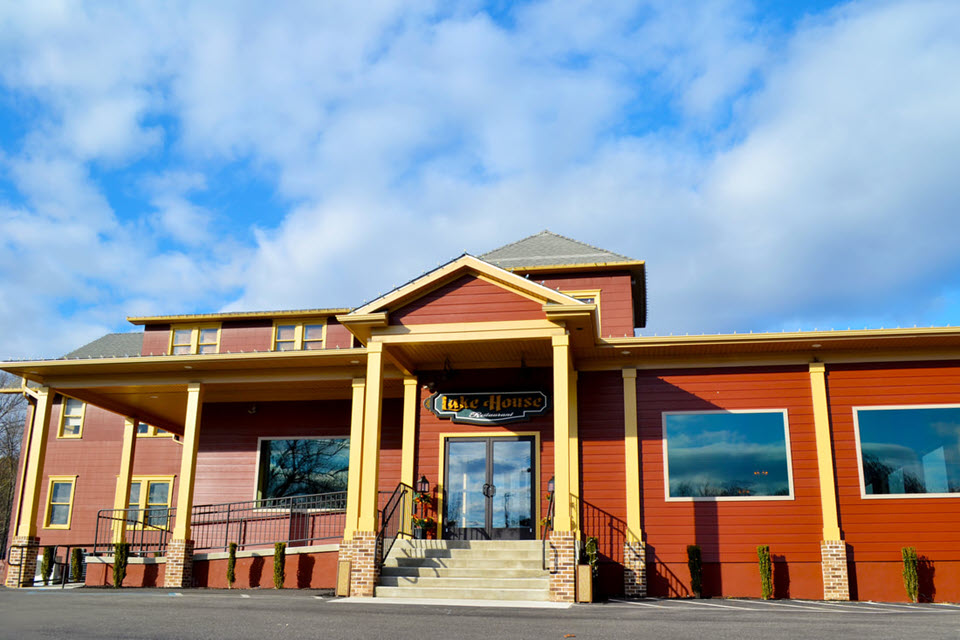
Iona Lake Inn – Lake House Restaurant
Set along the quiet shoreline of Iona Lake in the rural community of Newfield, Gloucester County, the building now associated with the Lake House Restaurant carries a history that stretches back to the nineteenth century, when the lake itself served as a modest resort destination for residents of southern New Jersey and nearby Philadelphia. The property at 611 Taylor Road sits beside the small man-made lake surrounded by woods and farmland, a setting that historically attracted visitors looking for fishing, boating, and seasonal recreation away from the larger cities of the region. Over time the site developed into a gathering place for travelers and locals alike, eventually becoming known as the Iona Lake Inn. During the late 1800s and early 1900s, lakeside inns and taverns were common throughout southern New Jersey, particularly in areas where rail lines or wagon routes made rural retreats accessible for day trips. The inn at Iona Lake operated as one of these establishments, offering food, lodging, and space for social gatherings. The surrounding grounds were used for outdoor recreation, and the lake itself became a focal point for visitors who arrived for fishing excursions, picnics, and small community events. Like many similar properties in the region, the building evolved gradually, expanding and changing hands as the local tourism economy shifted. Through the early twentieth century the inn developed a reputation as both a restaurant and social venue. Community gatherings, private celebrations, and seasonal events were held on the property, while travelers moving through Gloucester County stopped along the quiet rural road to eat or stay overnight. Over decades the structure absorbed numerous renovations and additions, but it retained the feel of an older roadside inn, with dining areas overlooking the water and interior spaces reflecting the layered construction typical of buildings that have been continuously adapted for hospitality use. By the mid-to-late twentieth century the property became more widely known as the Lake House Restaurant, though the historic identity of the Iona Lake Inn remained part of its reputation. Locals continued to treat the lakeside building as a familiar meeting place. The calm setting beside the water, particularly in the evening when the surrounding woods grow quiet, contributed to the atmosphere that later fed into stories surrounding the property. Reports of unusual activity at the site have circulated among employees and visitors for years, making the inn one of the lesser-known haunted locations occasionally discussed in southern New Jersey folklore. Staff members working late shifts have described hearing footsteps moving through empty dining rooms after closing, particularly in sections of the building believed to date to the earliest phases of construction. Others have reported doors opening or closing on their own or lights switching on in areas that had already been shut down for the night. One of the most commonly repeated claims involves the apparition of a woman seen near the stairways or hallways of the older portions of the building. Witnesses typically describe the figure appearing briefly before vanishing, often interpreted as someone dressed in clothing from an earlier period. Other employees have reported fleeting shadows moving across walls, unexplained cold spots, or the sense of someone standing behind them while working alone in the dining rooms. Paranormal investigators who have visited the location over the years have occasionally reported capturing electronic voice phenomena during recording sessions or experiencing sudden fluctuations in equipment readings. As with many historic restaurants, skeptics point out that aging structures frequently produce creaks, drafts, and shifting floorboards that can easily mimic footsteps or movement, particularly late at night when the building is otherwise quiet. The power of suggestion can also play a role once a location becomes known for ghost stories. Even with those explanations, the stories remain part of the building’s identity. The combination of an old lakeside inn, a secluded rural setting, and generations of visitors passing through its doors has given the property a reputation that blends local history with lingering folklore. Today the building continues to operate as a restaurant overlooking Iona Lake, maintaining the long tradition of hospitality on the site. For some visitors, however, the quiet halls and reflective water outside carry the persistent belief that the inn’s past occupants—or perhaps former guests—may still linger within the old lakeside structure.
Olde Columbus Inne
On West Main Street in the small Burlington County community of Columbus, New Jersey, a building that dates to at least 1812 stands closed and quiet, its windows dark, its reputation among local paranormal enthusiasts far larger than its modest frame would suggest. The Olde Columbus Inne—formerly known as the Black Horse—is considered by some to be one of the most haunted locations in New Jersey, a claim rooted less in formal investigation than in generations of accumulated local testimony and a history dense enough to have left marks that the living can apparently still feel. The building was constructed in 1812 and operated as a tavern, serving the rural community that had grown up around Columbus, a small crossroads settlement in Mansfield Township. The inn functioned in multiple capacities typical of early American tavern buildings—serving food and drink, providing lodging for travelers, and housing a jail cell, a common feature in communities where the local tavern doubled as a site of civic authority. The building changed hands and names over the decades, operating under various owners through the nineteenth and twentieth centuries. In its later years it functioned as a restaurant and bar under the name Olde Columbus Inne, earning a local following before closing. The property has been closed for several years, though the building still stands and has reportedly been the subject of intermittent renovation efforts. The paranormal claims associated with the inn are varied and have been passed down largely through oral tradition and the accounts of former employees, residents, and neighbors. The most widely reported apparition is that of a nineteenth-century orphan girl who is said to have worked at the location and whose figure has been seen inside the building. Unexplained noises have been reported near the old jail cell area, consistent with the kind of residual disturbance often claimed at sites where confinement and punishment occurred. Among the locally known spirits is one called Doc, a figure familiar to staff and regulars for decades. According to accounts from people who knew the inn during its operating years, Doc's wife reportedly stabbed him twelve times after he spent the household's rent money drinking at the bar. He survived the attack but died some years later from the effects of alcohol, and his presence has been reported in the building ever since. Another spirit, known locally as Mickey, was a regular patron who would arrive each evening at five o'clock, open the screen door, and take his customary seat at the bar. After Mickey's death, the screen door reportedly continued to open on its own at five o'clock, prompting the locals to greet him by name. A figure identified as Keith Webb has been reported outside the building in the early morning hours. Former employees have described hearing footsteps on the upper floors and on the back staircase when no one else was in the building, and at least one person who worked at the inn has described a persistent sense of presence on the second floor. Some local accounts also connect the building to the legend of the Jersey Devil, with claims that the inn may have been associated with the creature's mythological birthplace, though this connection is loosely drawn and not well supported. The building has attracted the attention of local paranormal groups, and at least one attempt at renovation reportedly ended abruptly when construction workers left the site after hearing laughter and seeing apparitions, declining to return. The Olde Columbus Inne sits today as it has for years—closed, aging, and holding whatever accumulated inside its walls across more than two centuries of service as a tavern, jail, gathering place, and home to the kind of people whose stories tend to outlast the buildings that contained them.

Inn of the Hawke
The Inn of the Hawke, located in Lambertville, New Jersey, represents a historic hospitality establishment serving travelers and guests seeking accommodation in the charming river town setting. The inn exemplifies the tradition of intimate lodging facilities that provide personalized service and distinctive character distinct from larger hotel chains. The building architecture reflects the historical construction standards and aesthetic conventions of its era, incorporating elements that create an atmosphere of historical authenticity and period detail. The facility maintains both its historic character and contemporary hospitality functions, offering modern amenities while preserving the architectural integrity of the original structure. The inn has served as a gathering place for residents and visitors, creating a community space where social interaction and personal connection define the guest experience. The location's prominence within the town's cultural and social landscape has made it a notable institution with deep roots in the community's identity. The physical spaces within the Inn of the Hawke include guest rooms arranged throughout the structure, each offering individual accommodation with distinctive period features and furnishings. The kitchen facilities represent the operational core of the inn's hospitality functions, equipped with cookware, utensils, and appliances necessary for food preparation and service. The Pub, a distinctive social space, provides venue for casual dining, beverages, and social gathering, becoming a focal point for community interaction and guest entertainment. Room 5 has emerged as a particular focus of paranormal investigation and guest attention, with this specific space becoming known for concentrated paranormal activity. The hallways and corridors connecting various rooms and functional areas create circulation patterns familiar to regular patrons and staff. The overall layout represents a blend of private guest spaces, staff working areas, and common facilities designed for collective use and social gathering. The paranormal phenomena at the Inn of the Hawke center on the spirit known as Cinnamon, a deceased individual whose emotional attachment to the location has resulted in persistent paranormal manifestations. Cinnamon's identity and historical context remain partially obscured by the veil separating the living world from the spirit realm, though the intensity and consistency of the haunting suggest significant emotional connection to the location. The family of Cinnamon further contributes to the paranormal environment, with multiple family members—a mother, sister, and brother—having died within the house at different times. The accumulation of death within this single residence suggests either tragic family circumstances or extended occupation by individuals who faced serious health challenges during residence. The deaths of family members appear to have created an intensified paranormal presence, with multiple spirits contributing to the documented phenomena. Paranormal phenomena have been extensively recorded through investigation, guest reports, and staff observations. The kitchen has experienced dramatic phenomena, with pots and pans mysteriously lifted from hooks and crashing. Room 5 exhibits persistent paranormal activity with guests reporting unexplained manifestations. The Pub experiences phenomena with apparitional sightings and disembodied voices reported by witnesses. A distinctive characteristic involves a strong tobacco odor in specific rooms, particularly Room 5, with the scent appearing without identified source. Electronic voice phenomenon recordings document disembodied voices, suggesting intelligent communication from spirits inhabiting the location. The Inn of the Hawke continues to operate as an active hospitality establishment, acknowledging its reputation as paranormally active. The coexistence of hospitality with paranormal activity attracts guests interested in haunted accommodations. The inn has embraced its reputation, recognizing that paranormal notoriety enhances institutional identity. Paranormal investigation groups conduct research and documentation, contributing to archives of experiences. The spirit dining experiences and ghost stories have become integral to the inn's cultural identity. The Inn of the Hawke represents a location where hospitality and paranormal presence coexist in an unusual institutional environment.
Abandoned Factory on Herman Street
The Abandoned Factory on Herman Street in East Rutherford, New Jersey stands as a silent monument to the industrial heritage of the northeastern United States, representing the manufacturing boom that defined the region during the nineteenth and twentieth centuries. The structure rises prominently along Herman Street, its large windows and imposing facade testifying to the scale of operations that once occurred within its walls. The factory operated for decades, employing workers who toiled in the production of goods that were distributed throughout the eastern seaboard and beyond, contributing to the economic vitality of East Rutherford and the surrounding region. Like many industrial facilities built during the peak of American manufacturing, the factory eventually ceased operations as economic shifts, changing technologies, and relocation of manufacturing to other regions rendered the facility obsolete. The building fell into disuse, its machinery abandoned, its windows darkened, and its doors sealed against further human occupation. The specific history and purpose of the factory remain somewhat obscured by time and the lack of readily available documentation, though the scale of the structure and its architectural design suggest it was engaged in substantial manufacturing operations requiring significant workspace and mechanical infrastructure. The building may have been involved in textile production, machinery manufacturing, chemical processing, or one of numerous other industrial enterprises that defined the region's economic character. Whatever its original purpose, the factory accumulated decades of human labor, industrial accidents, workplace conflicts, and the routine occurrences of industrial life. Workers suffered injuries, illnesses, and the psychological toll of repetitive labor within the factory's confines. Some may have perished within the structure, their deaths occurring under circumstances ranging from occupational accidents to sudden health crises. The accumulation of human suffering and industrial trauma appears to have left an energetic imprint that persists long after the machinery fell silent and the workers departed. The paranormal activity at the Abandoned Factory has been documented by investigators, trespassers, and locals who have approached the location despite its dangerous condition and its status as private property. The primary manifestation involves a ghost that moves about the factory interior, its presence detected through various means including motion-activated equipment, thermal imaging, and direct visual sightings. Witnesses report seeing a humanoid figure moving through the factory spaces, sometimes appearing solid and corporeal, at other times seeming translucent or more ethereal in appearance. The spirit appears territorial and protective of the space, actively discouraging human intrusion through direct confrontation rather than passive haunting phenomena. Curious individuals who peer through the factory's windows attempting to observe the interior have reported being chased away by the apparition, which manifests with apparent awareness and intent to repel the intruders. The paranormal activity appears concentrated within the interior of the factory structure and at the window locations where the apparition has been observed conducting the curious away. The entity demonstrates intelligent behavior, responding to the presence of living individuals and appearing to understand human intentions and actions. The ghost does not appear inherently violent but rather protective and possessive of the space, suggesting that it may be the spirit of someone who died within the factory walls and feels compelled to maintain dominion over the location. Some investigators theorize the entity may be actively engaged in preventing others from sharing its tragic fate, warning intruders away from a dangerous and decaying structure. The manifestations are most frequently reported during daylight hours when curious visitors are most likely to attempt observation of the interior, though paranormal activity has been documented during evening and nighttime investigations. The Abandoned Factory on Herman Street remains sealed and off-limits to the general public, its haunted reputation adding to its mystique and notoriety within paranormal investigation circles. The building continues to deteriorate as exposure to the elements takes its inevitable toll on the aging structure, though the paranormal activity shows no signs of diminishing. Paranormal investigation teams have conducted visits documenting the phenomena, adding the location to inventories of active haunted sites in New Jersey. The factory represents a poignant example of how industrial decline and abandonment can create both physical decay and spiritual unrest, anchoring the victims of historical tragedy to the locations where they suffered their final moments. Whether future redevelopment or demolition of the structure will result in the spirit's release remains unknown, though the protective and assertive nature of the entity suggests it may not willingly depart from the location it apparently claims as its own.
Berry’s Chapel
Berry's Chapel occupies a distinctive position within the spiritual and paranormal landscape of southern New Jersey, situated in the vicinity of Quinton and bridging the boundaries between the developed areas of Bridgeton and the more rural, wooded regions that characterize the Pine Barrens ecosystem and surrounding terrain. The chapel itself represents a small ecclesiastical structure dedicated to Christian worship and spiritual gathering, constructed during the nineteenth century as part of the religious infrastructure that served scattered communities in the sparsely populated regions of this area of New Jersey. The building and the surrounding property reflect the modest scale and humble aesthetic typical of rural Protestant chapels constructed to serve dispersed populations whose religious practice and community cohesion depended upon dedicated spaces for gathering and collective worship. The setting of Berry's Chapel within wooded terrain, surrounded by pine forests and natural landscape features of the Pine Barrens region, creates a distinctive environmental context that contrasts sharply with the developed urban and suburban spaces that characterize much of the New Jersey landscape. The natural isolation of the chapel and its surroundings, combined with the region's cultural associations with mystery and unusual phenomena, has contributed to the chapel's significance as a location where paranormal manifestations have achieved notable intensity and recognition. The paranormal phenomena documented within and around Berry's Chapel manifest in forms distinctly different from the anthropomorphic apparitions and human-associated hauntings that characterize many other haunted locations in North America. Most prominently, multiple independent witness accounts, paranormal investigators, and casual visitors have documented sightings of a phantom white wolf, a spectral animal entity whose appearance, behavior, and manifestation patterns suggest the presence of a non-human spiritual force persisting within the natural landscape surrounding the chapel. The phantom white wolf appears with particular frequency in the pine woods areas adjacent to the chapel property, manifesting as a visible form distinctly white in coloration and possessing characteristics of wolf-like animals despite the biological impossibility of wolf populations in contemporary New Jersey. These sightings have generated considerable interest among paranormal researchers and cryptozoological investigators seeking to understand the nature of animal apparitions and the mechanisms by which non-human spiritual entities might achieve manifestation within physical space. Beyond the distinctive phenomenon of the phantom white wolf, visitors and paranormal investigators have reported creepy sounds emanating from throughout the property and surrounding wooded areas, sounds whose origins resist conventional explanation based on known animal vocalizations or environmental phenomena. Paranormal investigation teams conducting systematic research within Berry's Chapel have employed electronic voice phenomena recording techniques, a methodology through which investigators document and capture disembodied voices and unexplained auditory manifestations through audio recording equipment. The electronic voice phenomena recordings conducted at Berry's Chapel have yielded evidence of vocal utterances and communicative attempts by unknown entities, spoken through mechanisms that bypass conventional human vocal apparatus yet register clearly upon audio recording equipment. These recorded voices and the intelligible utterances captured through electronic voice phenomena documentation suggest the presence of communicative intelligence persisting within the location, entities capable of expressing meaning and intent through audio manifestation despite their non-physical nature. The combination of the phantom white wolf sightings, the creepy sounds, and the electronic voice phenomena recordings collectively establish Berry's Chapel as a location of sustained and multifaceted paranormal activity that defies simple categorization or explanation based upon conventional paranormal models centered upon human spirits and anthropomorphic apparitions. The chapel and its surrounding property remain actively haunted, with paranormal investigators and paranormal tourists continuing to visit and document the persistent manifestations that characterize this unusual location situated within the unique environmental and cultural context of southern New Jersey.
St Mary’s Cemetery
Saint Mary's Cemetery in Salem, Massachusetts, constitutes one of the most historically significant burial grounds in New England, containing graves dating to the colonial period and representing multiple centuries of religious, social, and cultural history embedded in the landscape. The cemetery is administered by the Roman Catholic Church and is associated with a historic church structure that has served the parish community since the early nineteenth century, though the burial ground extends farther back in temporal origin. The site encompasses multiple acres of forested ground interspersed with gravestones, monuments, and commemorative structures of varying architectural elaboration and material composition. The landscape combines cultivated gardening with naturally occurring forest vegetation, creating an environment that transitions between ordered human intention and organic ecological process. The physical setting, on elevated terrain with views across surrounding areas, was deliberately selected to provide appropriate dignity and prominence to the function of permanent rest and memorial commemoration. Numerous grave markers bear names and dates legible to contemporary visitors, documenting generational continuity, family relationships, and the migration and settlement patterns of communities that have established themselves in the Salem region across centuries. The historical significance of Saint Mary's Cemetery extends beyond its function as a burial ground to encompass its role in shaping community identity and social memory for generations of families who have placed loved ones within its boundaries. The cemetery represents the intersection of religious devotion, family obligation, cultural tradition, and the universal human confrontation with mortality. The monuments and grave markers themselves constitute a form of material culture that documents aesthetic preferences, economic status, and the theological convictions of successive historical periods. The church grounds that adjoin the cemetery include pathways, landscaping, and religious structures that create a comprehensive sacred landscape intended to facilitate both mourning and spiritual contemplation. The forest areas near the hill and the regions in proximity to statuary representing the Virgin Mary have acquired particular significance in paranormal documentation, suggesting that these specifically sanctified or aesthetically prominent locations may concentrate spiritual manifestations. Paranormal phenomena reported at Saint Mary's Cemetery demonstrate unusual consistency and corroboration across multiple independent observers and paranormal investigation groups. Shadowy figures have been extensively reported roaming the church grounds and throughout the cemetery pathways, with witnesses consistently describing these apparitions as appearing with human form and movement patterns but lacking the visual clarity or solidity of living individuals. A ghostly gray figure, distinct from the shadowy apparitions, has been described by multiple witnesses as walking directly beside visitors to the cemetery, apparently accompanying them through the grounds despite remaining unmistakably incorporeal. Luminescent phenomena have been documented through photography and eyewitness accounts, including greenish light appearing near gravestones without electrical or obvious natural source, white figures and orbs captured in photographic documentation, and wailing sounds emanating from indeterminate locations within the cemetery boundaries. The phenomena are particularly notable for their apparent intentionality and responsiveness to human presence, suggesting what paranormal researchers term "interactive hauntings." The most distinctive paranormal manifestation at Saint Mary's Cemetery involves a mysterious female spirit observed kneeling in postures of devotion or prayer at the feet of three specific Virgin Mary statues distributed throughout the cemetery grounds. Multiple witnesses have independently described encountering this apparition at different times and locations, all consistently reporting a female figure in period clothing engaged in what appears to be prayer or spiritual contemplation. The statuary itself, representing the Virgin Mary in various artistic expressions, appears to serve as a locus for spiritual concentration, suggesting that the religious iconography and its devotional significance may facilitate or concentrate paranormal manifestations. Paranormal investigation groups have documented that the most intense electromagnetic anomalies and photographic anomalies cluster around these specific statues. Sounds of claws or other undefined scratching on pathways have been reported, along with a waist-high light that appeared near the top of the hill and demonstrated characteristics inconsistent with conventional light sources. Official paranormal documentation emphasizes that despite the abundance of reported phenomena, encounters with these spirits have not been hostile or threatening, suggesting entities that remain spiritually engaged with the sacred space rather than antagonistic toward the living. Saint Mary's Cemetery today functions simultaneously as an active burial ground, a site of religious pilgrimage and devotion, and one of Massachusetts' most extensively documented paranormal investigation locations.
Shippen Manor
Shippen Manor in Oxford Township, New Jersey, stands as a historically significant residence serving as both a private family home and a comprehensively documented site of paranormal activity spanning multiple generations of investigation and research. The structure reflects the architectural styles and construction methods of an earlier period in American history, with design features and materials consistent with careful craftsmanship and substantial financial investment by its original builders. The manor has been maintained with attention to historical preservation, retaining period-appropriate features while accommodating contemporary uses including public visitation and historical interpretation for educational purposes. The building encompasses multiple stories and spaces, including ground-floor areas, upper-floor rooms, cupboard storage, staircases, and attic spaces serving both functional and storage purposes throughout its complex layout. The manor's historical significance has established it as a location of substantial interest to both traditional historians and paranormal researchers seeking to understand the nature of the hauntings. Within Shippen Manor, paranormal investigators and visitors have documented consistent and compelling evidence of multiple spirit entities maintaining presence throughout the building and grounds. The manifestations include a spectral soldier, an apparition maintaining military bearing and period-appropriate uniform suggesting a Revolutionary War era or subsequent historical connection to military service. This soldier spirit has been observed moving through the building's interior spaces with deliberate purpose, suggesting attachment to the location or perhaps compulsion to traverse familiar routes from its lifetime. A small boy, appearing in period dress consistent with earlier clothing styles and fashions, has been reported as a visible apparition by multiple independent witnesses. This child spirit appears to occupy spaces throughout the building and exhibits behaviors consistent with an entity maintaining presence within a structure where it spent significant time during its lifetime, seemingly unaware of its deceased status. A woman identified as a lady in blue, characterized by distinctive clothing and hair worn in a bun style from historical periods preceding the twentieth century, has been consistently described across multiple witness accounts spanning different time periods. The paranormal phenomena extend beyond simple visual apparitions to encompass additional manifestations suggesting complex and multifaceted supernatural activity within the structure. A woman's torso has materialized briefly before whooshing away, vanishing from view as mysteriously as it appeared, creating confusion regarding the identity and nature of this particular manifestation. Disembodied footsteps have been heard moving through various spaces, particularly in staircases and hallways that would naturally be traversed during normal occupation of the manor during the historical period when the spirits apparently lived. Paranormal investigators have documented additional supernatural phenomena suggesting both passive and intentionally interactive elements to the documented hauntings. Doors have been reported opening in directions inconsistent with ordinary operation of hinges and mechanisms, suggesting external force rather than structural settling or environmental factors. Most remarkably, uncatalogued items have appeared within storage spaces and cupboards, objects that were not previously present and whose origins cannot be explained through conventional means or logical inventory oversight. The appearance of these mysterious items suggests the spirits may possess capacity to manifest physical objects or may be recalling items from the structure's historical past that materialize through paranormal means and mechanisms. Sounds, including voices and vocalizations, have been documented throughout the building, indicating the spirits maintain capacity for auditory manifestation and attempted communication with living individuals exploring and investigating the manor.
Oaklyn Manor Bar
The Oaklyn Manor Bar stands as a modest recreational establishment located in Oaklyn, New Jersey, functioning as a community gathering place devoted to social interaction, beverage service, casual dining, and entertainment throughout its substantial operational history spanning multiple decades of continuous business operations. The bar occupies physical space within a building possessing considerable age, accumulated historical presence, and distinctive character, its architectural framework and structural materials predating modern commercial construction standards and clearly bearing the physical evidence and accumulated patina of its earlier historical periods and varied previous uses. The interior spaces are organized according to the typical and functional layout of commercial bar establishments, encompassing multiple interconnected bar room areas where patrons gather for social interaction, specific dining and consumption zones designed for comfortable social engagement, and service areas devoted to the professional preparation and secure storage of beverages and perishable supplies. The basement area, accessible through service passages, utility access points, and maintenance corridors, contains storage spaces, equipment installations, and mechanical systems essential to the bar's daily operations, zones that are customarily restricted to staff members, management, and maintenance personnel. The Oaklyn Manor Bar has become recognized and documented within paranormal research and paranormal tourism communities not for dramatic historical tragedies or catastrophic singular supernatural events, but rather for the distinctive and consistent manifestation of what paranormal researchers professionally classify as poltergeist activity—apparently purposeful and intelligent manipulations of physical objects by unseen forces that suggest either deliberate conscious intelligence or the manifestation of cumulative emotional and psychological energy achieving concrete physical expression and material effects. The phenomena documented consistently within the Oaklyn Manor Bar encompasses manifestations of remarkable consistency, coherence, and character, with multiple independent witnesses describing events that transcend the boundaries of conventional physical explanation or natural causation. Bottles stored carefully behind the bar and in secure storage areas spontaneously and audibly clink together, producing distinct patterns and sequences of sound despite the bottles remaining physically undisturbed by human hands or mechanical activity. The distinctive acoustic signature of liquid filling drinking glasses manifests clearly and audibly without any physical vessel being present or any visible pouring action occurring, as though invisible bartenders and servers continue working and performing their established routines despite the establishment being empty or unattended by living staff. Beer kegs stored in basement and service storage areas inexplicably begin rolling across the floor of their own accord, moving with apparent purposeful direction and momentum across concrete or metal surfaces despite there being no inclines, gravitational slopes, or other obvious physical factors that might logically explain their autonomous movement. Trays and specialized serving implements stored on shelves and in service and preparation areas abruptly fly or fall from their resting positions without cause, propelled with sufficient force and apparent direction to suggest deliberate manipulation by some unseen agency or sudden directional impulse from an unknown source. White vapor formations or luminescent mist clouds have been observed moving deliberately through various areas of the bar, manifesting as distinctly luminescent clouds that appear to possess intentional movement and demonstrable awareness of their surroundings and the presence of living observers. The basement areas have proven particularly active and productive in terms of documented paranormal phenomena, with the intensity and frequency of phenomena intensifying notably during evening and nighttime hours when the bar is actively operating and staff members are working purposefully in service and storage areas.
Domani’s Restaurant
Domani Italian Restaurant in New Jersey has become noteworthy not solely for its culinary offerings but for persistent paranormal presence defining its character within paranormal and restaurant communities. The restaurant operates as a full-service dining establishment serving Italian cuisine in an authentic, welcoming atmosphere. The physical space includes dining areas, kitchen facilities, preparation areas, and customer service zones typical of professional restaurant operations. Ownership and management maintain engagement with business operations, directing attention toward customer service and food quality. Concurrent with conventional operations, the restaurant developed a secondary reputation based on ongoing paranormal entity presence. The paranormal phenomenon most prominently associated with Domani is a female spirit identified as Mrs. Hatten, whose biographical details and historical connection to the property remain partially obscured. Her identification as the paranormal source suggests either death at the location or powerful emotional attachment creating conditions for spiritual manifestation. The exact circumstances of her death and spiritual attachment remain undocumented in available sources, though her continued presence is consistently reported by staff, patrons, and paranormal investigators. The phenomenon represents what researchers classify as a focused haunting, wherein a specific individual's spirit maintains presence within a particular location, responding to living individuals and sometimes interacting with the physical environment. Paranormal reports describe Mrs. Hatten's manifestations appearing throughout the restaurant structure without apparent limitation to specific areas. Staff members working in food preparation have reported sensing her presence, with some describing instances where they believed her spirit responded to their thoughts or actions. Patrons have reported unexplained occurrences attributed to paranormal activity. The restaurant became known to paranormal enthusiast communities as a location where spiritual presence can be encountered during ordinary dining, transforming restaurant patronage into something more complex than culinary appreciation. Paranormal guides include Domani among documented haunted restaurants, suggesting sufficient recognition to warrant inclusion in paranormal tourism databases. The continued operation of Domani in the presence of documented paranormal activity represents accommodation between conventional business operations and acknowledged supernatural dimensions. The restaurant functions as a fully operational dining establishment serving customers while maintaining professional standards. Mrs. Hatten's spirit does not appear to have substantially disrupted business operations or prevented customer maintenance, suggesting patrons have become acclimated to or accepting of the establishment's paranormal character. Some visitors may be drawn specifically because of its haunted reputation, where paranormal notoriety enhances rather than detracts from appeal. Today, Domani Italian Restaurant exemplifies how paranormal phenomena can integrate into commercial establishment identity without disrupting conventional functions. Mrs. Hatten's presence stands as evidence that the boundary between living and spiritual worlds can become permeable within ordinary dining locations. The establishment represents intersection between culinary tradition, commercial hospitality, and paranormal phenomenon, demonstrating that paranormal activity coexists with normal human activity and becomes incorporated into cultural fabric and identity.
Hunt Homestead
The Hunt Homestead represents a category of American property defined by its origins in the agricultural settlement patterns of the nineteenth century, when pioneering families claimed and developed land parcels in pursuit of economic opportunity and self-sufficiency through farming and small-scale agricultural production. The homestead structure itself reflects the practical requirements of rural domestic life during the period of agricultural America, with construction methods and spatial organization designed to accommodate family habitation alongside the food production and storage requirements essential for survival in frontier conditions. The property occupies a location that witnessed the transformation of wilderness and marginal lands into productive agricultural properties, a process that defined American expansion across the nineteenth century and created the foundation for generations of family occupation and development. The Hunt Homestead's development through successive generations of family occupation created accumulated layers of history, emotional investment, and family narratives embedded within the physical structure and surrounding landscape. The property witnessed births, deaths, marriages, disputes, reconciliations, and the everyday dramas of family life over many decades or more of continuous habitation, experiences that shaped the spiritual character of the location through the intensity of human emotion and experience concentrated within its boundaries. The homestead's evolution from active family home to abandoned or marginally occupied structure may have created conditions whereby unresolved events or emotionally charged experiences became spiritually encoded within the property's physical structure, manifesting subsequently as paranormal phenomena perceived by contemporary investigators and visitors. The most consistently documented paranormal phenomenon at the Hunt Homestead involves the apparition of a woman dressed in a dark hood, a figure whose visual presentation proves striking and memorable to those who report encountering the manifestation. The apparition appears with particular frequency in the vicinity of the kitchen window and around the back door area of the homestead structure, suggesting a connection to spaces associated with domestic work, food preparation, or entry and exit patterns that characterized daily family activities. The dark hood worn by the apparition adds an element of mystery to the identification process, as this style of dress may indicate historical period, cultural background, spiritual significance, or simply reflect the garments worn at the time of the individual's death or the traumatic event that bound her spirit to the location. The vanishing quality of the apparition distinguishes the Hunt Homestead manifestations from static or residual hauntings, as the entity appears capable of disappearing or transitioning from visible to invisible states in response to observer presence or environmental conditions. This behavior aligns with paranormal activity classifications that suggest intelligent haunting rather than mere residual replay of past events, indicating that the spiritual presence maintains some form of awareness and capability for interaction with contemporary observers. The apparition's concentration in spaces associated with domestic labor and daily routines suggests that the entity may have been strongly connected to the homestead's domestic operations during her lifetime, potentially indicating a family member whose work and responsibilities were central to the household's functioning. The Hunt Homestead has become incorporated into paranormal investigation circuits, with various research organizations conducting formal investigations and documentation efforts designed to gather additional evidence regarding the identity and nature of the manifestations. The property's accessibility for ghost hunts and paranormal investigations has made it a recognized location within paranormal investigation communities, contributing to awareness and sustained research interest. Contemporary stewardship of the property acknowledges its paranormal significance while maintaining the historical preservation of the structure itself, balancing the educational and investigative value of the documented phenomena with the cultural and historical importance of preserving physical evidence of nineteenth-century homestead architecture and settlement patterns. The combination of historical significance and well-documented paranormal activity makes the Hunt Homestead a unique resource for both historical researchers and paranormal investigation organizations.
Kean University
Kean University stands as one of New Jersey's most historic institutions of higher education, with origins dating to the nineteenth century when educational visionaries established comprehensive learning centers serving the region's expanding population. The campus evolved through multiple name changes before achieving status as a comprehensive public university offering undergraduate and graduate programs across diverse disciplines. Over more than a century, the institution developed a reputation for academic rigor and community engagement, attracting students and faculty from across the northeastern United States. The physical campus expanded considerably throughout the twentieth century with numerous academic buildings, residential facilities, and recreational structures creating a complex architectural landscape reflecting various historical periods. The main campus in Union, New Jersey developed from early structures into a sprawling complex serving thousands of students, ranging from classical Victorian-era buildings to contemporary educational structures. The architectural development of Kean University reflects the institution's growth alongside American higher education. The earliest structures, constructed during the nineteenth century, embodied academic and aesthetic preferences of that era, featuring ornate detailing and substantial masonry construction conveying permanence and scholarly gravitas. Historic buildings such as Wilkins Theater, East Campus structures, the Eames building, and Rogers Hall became centerpieces of the campus landscape, serving as reference points for institutional identity and historical continuity. The university's commitment to preserving historic structures while constructing new facilities created a complex architectural palimpsest. Tragedy and supernatural mystery have long defined Kean University's cultural identity, with documented deaths and unexplained incidents occurring throughout the institution's history. The Wilkins Theater became the site of a fatal incident involving a stage worker and technician named George, whose sudden death marked the beginning of sustained paranormal reporting in that space. Historical records reference a young girl from an era when the campus was associated with Catholic educational institutions, whose death on the premises remains imperfectly documented. A malevolent spirit entity has been documented by paranormal investigators and has been linked to overwhelming dread, hostile encounters, and aggressive manifestations. These tragic events transformed Kean University's relationship with its physical spaces, with certain buildings becoming known more for paranormal associations than their educational significance. Paranormal activity at Kean University has been extensively documented through decades of witness reports and paranormal investigations. The Wilkins Theater experiences frequent disturbances including inexplicable shaking and movement of lighting systems, with witnesses reporting lights swaying without mechanical explanation. Disembodied voices and strange sounds emanate from the theater pit during both occupied and unoccupied periods. Multiple apparitions have materialized to witnesses across campus locations, with descriptions consistently matching figures from the institution's historical past. Doors throughout East Campus, the Eames building, and Rogers Hall repeatedly shut with force despite being held open. Pervasive feelings of uneasiness and dread sweep through certain campus areas without clear environmental cause. The totality of paranormal reports has established Kean University as one of the northeastern United States' most reliably haunted educational institutions. Today, Kean University acknowledges and celebrates its paranormal reputation through campus programming and historical documentation. The institution offers candlelit ghost tours of Liberty Hall and historic campus structures, drawing significant attendance from university community members and paranormal enthusiasts. Academic departments have incorporated the campus's haunted history into coursework examining paranormal phenomena and institutional history. The university has developed a historical haunted trail guiding visitors through the most actively haunted campus locations. Staff, faculty, and students have accommodated the university's supernatural residents, treating the hauntings as integral to institutional identity. George's presence in Wilkins Theater has become collegial, with theater workers acknowledging the spectral stagehand as part of the production team and attributing favorable performances to his continued interest in theatrical productions.
Inn at 22 Jackson
The Inn at 22 Jackson stands as a historic bed and breakfast establishment situated on Jackson Street in Cape May, New Jersey, a town renowned for its wealth of Victorian architecture and well-documented paranormal phenomena. The street itself has acquired considerable notoriety within paranormal circles, counted among one of America's most actively haunted residential blocks with at least eight documented haunted houses concentrated within a single block span. The inn occupies a prominent position within this cluster of spectral activity, its nineteenth-century architecture and refined interior appointments making it a destination for both history enthusiasts and those seeking encounters with the supernatural. The building dates to an era when Cape May was experiencing rapid development as a fashionable resort town, its construction reflecting both the economic prosperity and domestic sensibilities of its period. The inn's history encompasses decades of operation as a private residence before its conversion to hospitality use, with the physical structure itself bearing witness to generations of human experience within its walls. The paranormal manifestations at the Inn at 22 Jackson center principally on an entity known to staff and guests as Esmerelda, identified as a former nanny who occupied the household during a particular historical period. The turret room located on the third floor represents the epicenter of spectral activity, where Esmerelda's presence is most frequently reported and most consistently experienced by visitors and overnight guests. Her apparition appears with sufficient regularity and clarity that multiple independent witness accounts describe similar characteristics and behavioral patterns, lending credibility to the reports despite their extraordinary nature. The entity does not present as hostile or threatening but rather as a benign presence whose manifestations suggest a lingering attachment to the physical space and perhaps to the maternal or caretaking role she once fulfilled. Beyond the turret room, activity extends to the second floor where additional paranormal phenomena have been documented in both the bathroom and bedroom areas, with reports concentrated around three o'clock in the morning, a time often associated with heightened paranormal activity across numerous haunted locations. The manifestations attributed to Esmerelda demonstrate considerable variety in form and intensity. Guests and staff have reported witnessing her full-bodied apparition distinctly present in the turret room, appearing as a translucent female figure engaged in what witnesses describe as routine domestic activities. The second-floor phenomena include the report of a woman's apparition observed standing at the foot of guests' beds, creating the characteristic sense of unease and observation that such encounters typically produce. Bathroom and bedroom activity in this area manifests as unexplained noises, the sensation of a presence within the space, and occasionally the movement of small objects. The three o'clock timeframe has become sufficiently consistent in the documentation of experiences that it now represents an established pattern recognized by those familiar with the inn's paranormal history. Multiple guest testimonies collected over years of operation all corroborate these basic phenomena, though individual experiences vary in specific detail and intensity. The Inn at 22 Jackson continues to operate as an active bed and breakfast establishment despite its haunted reputation, with many guests specifically booking accommodations hoping to experience paranormal phenomena firsthand. The inn's management has acknowledged the historical reports of spectral activity and incorporated them into the property's public presentation, recognizing that such documented hauntings have become a significant aspect of the building's identity and cultural heritage within Cape May. The paranormal activity has not diminished since initial documentation and continues to be reported with sufficient frequency to maintain the inn's standing among paranormal researchers and enthusiasts throughout the northeastern United States. The coexistence of hospitality services and active haunting has created a unique phenomenon wherein a commercial establishment operates successfully while openly acknowledging and facilitating exploration of its supernatural dimensions.
Gabreil Daveis Tavern
The Gabriel Davies Tavern, situated in Glendora, New Jersey, occupies a position of historical significance as a public establishment that operated continuously through the American Revolutionary War period and subsequent centuries of regional development. The tavern's original construction and operational history place it within the network of colonial-era drinking establishments that served as social centers for military officers, merchants, and ordinary citizens throughout the New Jersey countryside. The building itself exhibits architectural characteristics consistent with eighteenth-century construction methodologies, featuring period timber framing and structural elements that have survived the centuries despite periodic modifications and renovations necessary to maintain habitability. The tavern's location within the community and its role as a public gathering place creates a natural repository for multiple spiritual impressions and potentially residual hauntings stemming from significant historical events that unfolded within its walls. Paranormal researchers have documented evidence of traumatic historical events connected to the Gabriel Davies Tavern through investigation of the attic spaces and upper story regions of the structure. Most notably, stains consistent with blood have been identified and documented in the attic area, alongside other indicators suggesting that wounded soldiers sought refuge or were brought to the tavern for emergency medical care during Revolutionary War military operations in the region. The precise circumstances of these injuries and the fate of the soldiers who sustained them remain unclear from contemporary historical documentation, but the residual spiritual impressions associated with trauma and suffering appear to have bound multiple entities to the location. The identification of wounded soldiers as the probable source of the paranormal manifestations provides a coherent explanation for the patterns of activity observed by contemporary investigators. Visitors and investigators observing the tavern's exterior at various times have reported witnessing spectral figures visible through the windows of the upper floors and attic regions of the structure. These apparitions appear as translucent humanoid forms, sometimes observed performing gestures or movements that suggest communication or attempt to draw attention from those observing from outside the building. The windows themselves seem to serve as focal points for manifestation, potentially because the wounded soldiers attempted to signal for help or assistance from the exterior. Sounds of spirits calling out, moaning, or otherwise vocally expressing distress have been documented during investigation sessions, particularly during evening and nighttime hours when fewer background noises interfere with auditory phenomena recording. Walking sounds, footsteps, and the motion of unseen persons moving through the upper floors suggest residual activity or intelligent spirits reenacting or continuing the movements of their earthly existence. The most distinctive paranormal signature within the Gabriel Davies Tavern involves the apparition and apparent activity of William Schuck, the last private owner of the establishment before it passed from family ownership. Schuck is reported to manifest in a rocking chair located in a specific area of the tavern, where he appears to be smoking a long-stemmed pipe with apparent contentment and fixity of purpose. Investigators and visitors have observed the rocking chair moving in rhythmic patterns consistent with active use despite the chair being unoccupied from a visual perspective. The smell of pipe tobacco is reported during investigative sessions, providing olfactory confirmation of Schuck's presence and activity. Schuck died in 1976, relatively recent in historical terms, suggesting that the strength and clarity of his manifestation may reflect the more recent temporal distance compared to the Revolutionary War era spirits inhabiting the attic spaces. The Gabriel Davies Tavern remains accessible to paranormal researchers and amateur investigators, representing one of New Jersey's documented haunted locations with multiple temporally distinct spiritual entities sharing the same physical space.
Drew University
Hoyt Hall stands as one of the most prominent and historically significant buildings on the Drew University campus, a structure that has served the institution continuously across extended periods and accommodated countless students, faculty members, and staff workers engaged in the business of higher education. The building possesses considerable architectural merit and historical value, representing the aesthetic and structural sensibilities characteristic of the era during which it was constructed and reflecting the investment of institutional resources in creating an impressive physical environment suitable for collegiate purposes. Hoyt Hall has functioned as a residential dormitory housing female students, creating a distinctive community within the broader university environment and contributing to the social and academic development of generations of young women who have occupied its rooms and corridors. The building's reputation as an all-girl residence hall has contributed to its particular identity within the university community, with the structure becoming associated with distinctive traditions, social practices, and institutional expectations specific to single-gender residential housing. The residential history of Hoyt Hall encompasses decades of accumulated lived experience, with thousands of students having occupied the dormitory rooms, participated in social activities within common areas, and developed relationships and memories within the physical space of the building. Each successive generation of residents has contributed to the building's distinctive character and history, with the collective human experience occurring within Hoyt Hall creating an environment saturated with emotional intensity, personal development, and social interaction. The building has witnessed countless moments of individual transformation, interpersonal connection, and the intellectual and emotional growth characteristic of the college experience, particularly as experienced by young women navigating the complex terrain of adolescence and early adulthood within an institutional setting. The emotional intensity and human significance characterizing Hoyt Hall's residential function has apparently created an environment conducive to paranormal manifestation and spiritual attachment. The paranormal phenomena occurring within Hoyt Hall represent among the most extensively documented and carefully researched cases of haunting at American college campuses, with multiple distinct spectral entities demonstrating recognizable personalities and behavioral patterns that have been catalogued through paranormal investigation and student testimony. The most distinctive paranormal presence involves a dark-haired woman whose ghost appears to have developed a specific hostility toward male individuals, manifesting particular antagonism toward male visitors and staff members who enter the residential spaces designated as all-female territory. The dark-haired woman's ghost exhibits behavior characterized as property theft and displacement, with residents reporting that personal items frequently vanish from secure locations only to reappear mysteriously in unexpected locations throughout the building. The apparition of a woman wearing a white dress has been observed moving through the corridors and residential chambers of Hoyt Hall, her ethereal form appearing with regularity and demonstrating awareness of contemporary residents and staff members occupying the building. The spirit of Daniel Drew's wife, Roxanna Mead Drew, is believed to haunt Mead Hall and adjacent locations on campus, though her paranormal presence extends periodically into Hoyt Hall where she manifests phenomena related to the historical period during which the institution was established. The paranormal manifestations within Hoyt Hall extend beyond singular apparitions to encompass complex phenomena affecting the physical environment and the experiences of living residents throughout the building. A ghostly presence identified as Reggie through paranormal investigation and student communication has been documented within the basement regions of nearby Shakespeare Theatre, where the entity apparently drowned in what was formerly a basement pool structure. The phenomenon of phantom drowning experiences has been reported by residents and staff members, with individuals reporting sensations of water and drowning despite being in dry locations within the building, suggesting the spiritual reenactment of Reggie's traumatic death. The ghost named Reggie appears capable of interacting with electrical systems and lighting fixtures, with investigators documenting instances in which lights flicker and switch patterns that appear responsive to investigator questioning and interactive communication attempts. Reggie's phantom presence has been associated with the hiding and displacement of theatrical costumes and properties stored within the building, with items frequently disappearing from secure storage locations and reappearing in unexpected places. The paranormal phenomena at Hoyt Hall have achieved sufficient prominence within university lore and paranormal investigation circles to contribute to Drew University's ranking among the most significantly haunted college campuses in the United States. Multiple spirits appear to coexist within the building, with their distinct personalities and behavioral patterns creating a complex paranormal environment in which numerous supernatural entities occupy the same physical space while maintaining individual characteristics and preferences. Heavy ornamental chandeliers suspended from ceilings in the S.W. Bowne Great Hall have been documented swinging violently without wind or conventional physical cause, with the movements suggesting intentional manipulation rather than environmental disturbance. A portrait in Mead Hall displays the remarkable capacity to tilt itself at distinctive angles without external manipulation, with the phenomenon occurring with sufficient regularity to suggest intentional paranormal communication. The cumulative effect of these diverse paranormal phenomena has created an environment of considerable supernatural intensity in which the boundaries between the living world and the realm of spirits appear particularly thin and permeable. Today, Hoyt Hall and the surrounding Drew University campus remain locations of active paranormal investigation and academic interest, with paranormal research teams conducting detailed studies of the manifestations occurring within the historic buildings. The university administration has acknowledged the paranormal reputation of the campus while continuing to maintain the buildings's active function as residential dormitories and instructional spaces, creating an environment in which contemporary students coexist with the spectral entities inhabiting the buildings. The paranormal phenomena have become integrated into university culture, with student folklore and contemporary accounts continuing to document new manifestations and reinforce awareness of the supernatural dimensions of the campus environment. The dark-haired woman, the woman in white, Reggie, and the other spirits occupying Hoyt Hall and adjacent buildings appear to have become permanent fixtures within the Drew University community, continuing their eternal residence within the physical structures that created the circumstances leading to their spiritual attachment. The hauntings of Hoyt Hall and Drew University stand as testament to the manner in which locations saturated in human experience and emotional intensity can become focal points for paranormal manifestation spanning generations.
Magee’s West Side Tavern – Shore House
Magee's West Side Tavern Shore House stands as a historic structure in Point Pleasant, New Jersey, a location that has served various purposes connected to hospitality, commerce, and leisure throughout its complex history. The establishment's name suggests its original or primary function as a tavern and associated shore-side property, roles that would have made it a gathering place for various individuals across multiple generations and time periods. The location's geographical proximity to the New Jersey coastline and its apparent function as a leisure destination have contributed to its significance within the region's historical narrative, while simultaneously exposing it to the paranormal consequences of maritime tragedy and loss that have shaped its supernatural reputation. The building's interior spaces, including the tavern proper and various associated hallways and storage areas, have become locations of documented and consistently reported paranormal phenomena that have earned the establishment recognition among paranormal researchers as one of New Jersey's most significantly haunted locations. The paranormal activity at Magee's West Side Tavern Shore House encompasses several distinctive categories of phenomena that suggest the presence of either a particularly active poltergeist entity or multiple spirit presences with the capacity to interact with and move physical objects within the environment. One of the most frequently reported manifestations involves the apparently spontaneous and unexplained falling of drinking glasses and other fragile items within the tavern area. These incidents occur without identifiable cause, with witnesses reporting that glasses position on tables, shelves, and other locations simply fall or leap into the air and subsequently shatter upon contact with the floor or other surfaces. The frequency and consistency of these glass-breaking incidents have become distinctive characteristics of the location, and the phenomenon has been documented by multiple independent witnesses and paranormal investigators. Additionally, windows within the structure have been reported to break without external cause or visible impact, further suggesting the presence of an unseen force capable of manipulating physical objects with considerable strength. One of the most dramatic and psychologically significant paranormal incidents documented at Magee's West Side Tavern Shore House involved a witness who reported being locked inside a closet by an invisible agency while in the building. The witness described being physically enclosed within a confined space by what could only be interpreted as an intentional act of supernatural confinement, an action that suggests both the capability and the apparent intention of the haunting entity or entities to interact directly with living human beings in physically manipulative and potentially threatening ways. The fact that this confinement was attributed to a prankster ghost implies that the entity or entities responsible possessed a personality characterized by mischief, malice, or at minimum a consciousness capable of engaging in behaviors designed to frighten or antagonize the living. This incident distinguishes the haunting at Magee's from simple passive manifestations of apparitions or disembodied sounds, demonstrating instead an active and interventionist supernatural presence. The paranormal history of Magee's West Side Tavern Shore House is substantially informed by the location's connection to a maritime tragedy that allegedly occurred in 1846, when a significant shipwreck took place in the vicinity of the shore house. According to historical accounts, the vessel that wrecked was carrying a substantial number of passengers or crew members, some of whom perished in the maritime disaster. Following the catastrophic sinking or destruction of the vessel, the local community, lacking adequate facilities for processing and storing multiple bodies, apparently converted Magee's Shore House into a makeshift morgue, temporarily housing the deceased victims of the wreck within the building's interior spaces. This grim and traumatic use of the location, involving the presence of multiple human remains and the grief and chaos associated with maritime disaster, has apparently left indelible paranormal impressions within the building. The spirits of those who perished in the 1846 shipwreck, along with potentially other individuals who may have died or experienced trauma at the location across the intervening decades, appear to constitute the paranormal residents of Magee's. The combination of poltergeist phenomena, direct physical interaction with living persons, and the documented connection to maritime tragedy and mass death creates a compelling narrative regarding Magee's West Side Tavern Shore House's paranormal character. The playful yet sometimes menacing behavior attributed to the prankster ghost suggests spirits that, while undeniably supernatural and capable of affecting the physical environment, may retain sufficient of their individual personalities and emotional characteristics to engage in recognizable human behaviors and interactions. The continuing manifestations of glass-breaking, window-shattering, and closure-locking phenomena across the more than one hundred and seventy years since the alleged 1846 shipwreck demonstrate the remarkable persistence of paranormal activity resulting from traumatic maritime events. The location remains one of New Jersey's most recognized haunted sites and has earned inclusion in both paranormal investigator guides and tourism-focused catalogs of the state's most distinctive supernatural locations, a dual status reflecting both the genuine paranormal significance of the site and its appeal to those interested in exploring America's haunted heritage.
Old Canal Inn
The Old Canal Inn occupies a historic bar and restaurant establishment in Nutley, New Jersey, situated at 2 East Passaic Avenue within the heart of the community and representing a structure with paranormal reputation that has drawn attention from both casual patrons and paranormal researchers seeking to document and understand the phenomena occurring within the historic establishment. The building predates the modern era of the municipality and contains architectural elements and interior spaces that reflect periods of construction and renovation spanning multiple eras of American social and commercial history. The bar seating area represents the primary commercial function of the establishment, with the layout and arrangement of furniture and fixtures designed to facilitate customer interaction and social engagement around the central operational focus of the bar counter. The specific location of paranormal concentration within the Old Canal Inn involves a particular seat positioned at the end of the bar counter near the front entrance area, a location that has achieved designation as the Death Seat within local paranormal lore and paranormal research documentation. The Death Seat represents a physical location where multiple tragic events occurred in relatively close temporal proximity, creating circumstances that generated sufficient trauma and spiritual disturbance to bind the consciousness of deceased individuals to that specific seating location. The genesis of the Death Seat phenomenon and the associated haunting at the Old Canal Inn originates from events that occurred during the mid-twentieth century, when two men engaged in a violent altercation over control or possession of the particular seat at the end of the bar counter. The dispute, apparently rooted in competitive or personal animosity between the individuals, resulted in a physical confrontation sufficiently intense to produce a fight of notable violence within the bar environment. The immediate consequences of the fight did not appear to be fatal, and the combatants survived the encounter and presumably departed the establishment with injuries but intact vital functions. However, the circumstances surrounding the altercation appear to have generated psychological and emotional trauma sufficient to trigger catastrophic health events in subsequent days. Within the remarkably brief interval of ten days following the physical conflict, both men died from myocardial infarction, commonly referred to as heart attacks, suggesting that the stress, shame, or psychological trauma associated with the violent altercation proved sufficiently intense to precipitate fatal cardiovascular events. The tragic timing of consecutive deaths within such a brief period, combined with their common location of origin at the disputed bar seating area, created the conditions that would bind the consciousness of both individuals to that specific location. The paranormal phenomena occurring within the Old Canal Inn concentrate with particular intensity at the Death Seat, the specific bar seating location where the original altercation occurred and where the individuals continued to be associated through the subsequent events and the spiritual consequences of those events. Witnesses and patrons have reported seeing and hearing manifestations at the Death Seat with sufficient consistency that the phenomena have become established aspects of local historical knowledge and paranormal documentation. Sensations of being touched by invisible agents occur to patrons seated at the Death Seat, creating experiences of physical contact without visible source or explanation, manifestations that suggest the presence of non-corporeal entities capable of exerting physical influence upon living bodies. Apparitions have materialized at the bar seating area, presenting as visible figures of men whose appearance and characteristics remain consistent with descriptions of individuals present during the original fatal altercation. The manifestations include both auditory and visual phenomena, with witnesses reporting conversations, vocal utterances, and disembodied voices emanating from the bar area in contexts where no living individuals account for the vocalizations observed. The concentrated intensity of paranormal phenomena at the Death Seat has generated sufficient attention that the Old Canal Inn has achieved inclusion in paranormal guides and ghost hunting tourism literature focused on New Jersey and the New York metropolitan region. The establishment has incorporated the paranormal reputation and the legendary status of the Death Seat into its operational identity and marketing approaches, with the menu featuring a Death Seat Burger menu item explicitly referencing the haunted location and the tragic historical circumstances associated with the specific bar seating area. The current operators acknowledge the paranormal reputation while maintaining the operational functionality of the bar as a commercial establishment serving the Nutley community and surrounding areas. Patrons continue to encounter paranormal phenomena at the Old Canal Inn, with the manifestations persisting with undiminished intensity despite the passage of decades since the original fatal altercation that initiated the haunting. The Death Seat remains occupied by living patrons who either remain unaware of the paranormal reputation or who deliberately seek the experience of proximity to documented spectral phenomena, creating an unusual convergence of casual commercial socialization and contact with entities existing beyond the threshold of corporeal life. The Old Canal Inn represents a location where commercial hospitality operations continue seamlessly alongside the presence of spirits bound to a specific location through trauma and tragic circumstances that remain memorialized through both historical documentation and paranormal investigation.
Stephen Crane House
The Stephen Crane House stands as a significant historical landmark in Asbury Park, New Jersey, commemorating the residence of one of American literature's most important and influential writers during a formative period of his career and personal development that would establish his literary legacy. Stephen Crane, born in 1871, achieved recognition as a master of the short story form and as the author of The Red Badge of Courage, a novel that revolutionized American literary depictions of warfare and human psychology through its innovative narrative techniques, psychological depth, and unflinching examination of human emotion under extreme duress. The Asbury Park house represents a location where Crane spent considerable time during the 1890s, a decade marked by his emergence as a significant literary figure and by his exploration of diverse settings and social circumstances that would inform his creative work and intellectual development. The building itself reflects the residential architecture of the late Victorian era, constructed with the solid materials and careful craftsmanship characteristic of properties intended to house families of professional and cultural standing within the emerging resort community of Asbury Park. Asbury Park itself developed during the mid-nineteenth century as a planned seaside resort community, envisioned by Methodist camp meeting organizers and entrepreneurs seeking to establish a destination that would combine recreational opportunities with religious and cultural activities for a middle-class clientele seeking healthy sea air and moral refinement. The town grew substantially during the last decades of the nineteenth century, with the construction of hotels, boarding houses, and residential properties intended to accommodate the seasonal migrations of visitors and the permanent settlement of those engaged in commerce and professional services serving the resort economy. The Stephen Crane House, situated within this context of Victorian-era seaside development, occupies a residence neighborhood that reflected contemporary ideals of domestic life and family stability within a growing commercial community focused on hospitality and tourism. Crane's presence in the town during the 1890s situated him within a broader context of artistic and intellectual activity that characterized Asbury Park during this period of its development, and his residence in the community connected him to the literary and cultural ferment of late nineteenth-century American letters. The residence has maintained a public significance extending beyond its association with Crane as a literary figure, with the property eventually coming to serve functions related to historical preservation and public commemoration of the author's life and work. The house has been documented and studied by scholars interested in understanding the material circumstances of Crane's life and the physical environments that may have influenced his creative production and personal development during a crucial period of his artistic growth and literary experimentation. The building has been the subject of historical research, public tours, and academic study, establishing its importance within the broader landscape of American literary heritage and nineteenth-century intellectual history. The property remains an active location of both scholarly and paranormal interest, with its historical significance providing essential context for understanding the unusual phenomena that researchers and visitors have documented occurring within and throughout the structure. In contemporary times, the Stephen Crane House has achieved recognition as a location of significant paranormal activity, with manifestations centering primarily on the presence of what visitors and investigators describe as ghost children who inhabit the space, suggesting the tragic death or loss of children at or near the location. The sound of children playing has been reported by multiple independent witnesses, with reports describing auditory phenomena consistent with youthful voices engaged in recreational activities and social interaction characteristic of children's behavior and innocent enjoyment. Conversely, witnesses have also documented the sounds of children crying emanating from various locations throughout the building, suggesting emotional distress or separation rather than benign play, implying possible trauma or loss. Full apparitions of ghostly children have been reported by sensitives and investigators working within the structure, with visual documentation of child-sized forms visible in locations where no living children were present during investigation periods. Disembodied adult voices have also been recorded and reported, suggesting the presence of multiple non-corporeal entities occupying the space rather than manifestations limited to child spirits exclusively. In a particularly dramatic and concerning manifestation, visitors have reported the fireplace tools, normally stationary implements used for managing and adjusting burning fires, striking visitors on the head and upper body with apparent physical force despite no living person manipulating the implements. These physical phenomena have created a situation where the historical and literary significance of the property intersects with active and persistent paranormal manifestations, making the Stephen Crane House a location of intense interest to both literary scholars and paranormal researchers investigating the nature of hauntings and the mechanisms through which historical trauma or residual emotional energy may manifest in aggressive physical form. The combination of literary significance and paranormal intensity makes this location uniquely valuable for understanding the relationship between famous individuals, their residences, and the spiritual phenomena that may persist long after their deaths.
Hindenburg Crash Site
Lakehurst Naval Air Station in New Jersey achieved historical prominence as the location where the German passenger airship Hindenburg met its catastrophic end on May 6, 1937, an event that marked the definitive end of the rigid airship era and claimed the lives of thirty-five of the ninety-seven persons aboard the massive vessel. The Hindenburg represented the pinnacle of German engineering and design in rigid airship construction, measuring over eight hundred feet in length with gas capacity sufficient to provide lift for the enormous passenger accommodations and cargo holds contained within its aluminum framework. The airship had completed multiple transatlantic crossings without incident, establishing a reputation as a reliable luxury transportation option for wealthy international travelers. The evening of May 6, 1937 transformed abruptly when the Hindenburg caught fire while approaching the mooring mast at the naval station, a sequence of events that unfolded with terrifying speed and devastating consequence. Eyewitness accounts and subsequent technical investigations indicated that the airship's outer covering ignited, with flames spreading rapidly through the gas-filled structure and consuming the vessel within minutes as it descended toward the ground and mooring infrastructure. The immediate inferno killed numerous passengers and crew members trapped within the burning structure, while additional deaths resulted from injuries sustained during emergency evacuation procedures and from burns suffered during the subsequent collapse of the burning framework. In the immediate aftermath of the disaster, Hangar No. 1 at Lakehurst Naval Air Station was converted into a temporary morgue to accommodate the victims of the crash and facilitate identification of remains, a grim utilitarian function that transformed the large industrial structure into a repository of human tragedy. The sudden introduction of so much human suffering, death, and trauma into the hangar created what paranormal researchers have theorized as a powerful psychic imprint capable of persisting indefinitely after the physical remains had been removed and the building returned to its normal military functions. Paranormal activity at Lakehurst's Hangar No. 1 has persisted for more than eight decades following the Hindenburg disaster, with multiple categories of phenomena reported by investigators, maintenance personnel, and visitors. The most commonly documented experiences involve auditory manifestations, specifically reports of human voices crying out in apparent distress and shouting the phrase "She's afire!" which directly references the initial alarms raised during the actual disaster. Shadow figures and unexplained human silhouettes have been observed moving through the interior spaces of the hangar, particularly in the rafters and upper structural areas where the burning airship's framework collapsed. Visitors and investigators have reported sensations of invisible contact, including unexplained touching and what participants describe as being "brushed" by unseen presences. Multiple witnesses have reported overwhelming negative emotional sensations upon entering the structure, characterized as "bad vibes" and described as producing feelings of dread, sorrow, and overwhelming sadness. The Atlantic Paranormal Society (TAPS) documented evidence of paranormal activity within the site that they concluded represented genuine paranormal manifestation rather than explainable environmental factors.
Shades Of Death Road
Shades of Death Road represents a rural two-lane highway stretching approximately six point seven miles through Warren County in northwestern New Jersey, connecting communities and agricultural areas within the region. The road traverses a landscape characterized by undulating terrain, forested sections, and natural water features including Ghost Lake and areas designated as Fairy Hole within local nomenclature. The surrounding environment remains substantially rural despite proximity to more developed areas, preserving natural landscapes characteristic of traditional American countryside infrastructure. The road's construction reflects standard highway engineering practices, with asphalt pavement and minimal illumination typical of rural New Jersey roadways. The naming of this thoroughfare as "Shades of Death Road" reflects local historical tradition and folklore rather than official governmental designation, with the name emerging from community narratives and persistent legends. The road has become renowned regionally as a destination for paranormal investigation and dark tourism enthusiasts seeking to experience documented phenomena. The historical origins of Shades of Death Road's ominous reputation extend into the distant past, with various theories and local narratives attributing the road's dark character to specific historical events and traumas. Accounts reference murders, accidents, and deaths occurring along the roadway throughout its history as a transportation corridor. Some narratives describe Native American conflicts predating European settlement, with spiritual manifestations attributed to ancestral suffering and unresolved traumas from colonial era violence. Other accounts reference more recent incidents of vehicular accidents, murders, and violent deaths occurring to travelers. The accumulation of traumatic events across centuries allegedly created conditions conducive to persistent paranormal phenomena. The forested and isolated character of the location provided settings for crimes and accidents where victims might remain undiscovered. Paranormal phenomena reported along Shades of Death Road manifest through diverse categories of supernatural experiences. Dark apparitions have been reported appearing and disappearing suddenly, with witnesses describing shadowy humanoid forms materializing along roadside areas. Thick fog formations emerge under conditions inconsistent with meteorological expectations. Vehicular incidents of mysterious character have been documented, with vehicles behaving anomalously without identifiable conventional causes. Witness reports describe sudden chills and temperature fluctuations occurring in specific roadside locations independent of ambient environmental conditions. White orbs and luminous phenomena have been observed moving along the roadside and through forested areas. A Native American spirit guide has been reported appearing in the form of a deer. Wraithlike vapor formations have been documented hovering above Ghost Lake. The concentration of paranormal phenomena along Shades of Death Road creates a distinctive location where multiple categories of supernatural activity occur with relative frequency. The phenomena manifest across the entire geographical span of the road's length, suggesting widespread paranormal activity distributed throughout the environment. The intersection of Native American spiritual traditions, centuries of accumulated human suffering, and contemporary paranormal investigation activity creates a complex cultural and supernatural context. Paranormal investigation teams have conducted extensive technical monitoring using electromagnetic field detectors and thermal imaging equipment. The road remains accessible to public travel, with contemporary drivers and paranormal investigators continuing to encounter and document unusual experiences. Shades of Death Road has become established in paranormal literature as one of New Jersey's most comprehensively documented paranormal locations.
The Red Mill Museum
The Red Mill stands in Clinton, New Jersey, a substantial brick structure built in 1813 to harness water power from the South Branch Raritan River. Originally constructed to grind grain and process materials sustaining communities throughout central New Jersey, the mill operated continuously for nearly two centuries, surviving technological changes that rendered similar structures obsolete. During its peak operational years, the facility expanded significantly to accommodate new machinery and increased production demands. The mill's mechanical operations proved inherently perilous—wooden floors, unguarded heavy machinery, and dangerous currents created an environment where worker deaths and serious injuries occurred with regularity. Children sometimes labored in mills during certain periods, adding to casualty risks within the facility. The South Branch Raritan River, which powered the mill through ingeniously designed water wheels, became both the source of prosperity and, according to historical accounts, the site of numerous workplace accidents. By the mid-twentieth century, industrial utility had diminished, and the mill was preserved as the Red Mill Museum Village, a heritage site dedicated to interpreting regional industrial and domestic history. The conversion to museum status coincided with increased paranormal reports from both staff and visitors. The third floor of the original mill building became a particular focal point, with witnesses documenting apparitions of laborers dressed in period clothing, figures that vanish when approached or observed closely. Cold spots manifest throughout various locations, with sudden temperature drops occurring without apparent explanation. The museum building's labyrinthine layout creates an atmosphere conducive to paranormal encounters, while proximity to the river and the facility's long history of tragedy provide historical context for supernatural claims. Paranormal investigation teams and television programs have attracted considerable attention to the Red Mill Museum. An elderly male figure dressed in nineteenth-century working attire has been reported multiple times by independent witnesses with no prior knowledge of other sightings. The courtyard area surrounding the mill generates additional reports of apparitional activity, with some witnesses describing encounters with the spirits of children who may have met tragic ends near the mill's operations. These experiences have been documented during organized paranormal investigations and casual visits, with consistent details emerging from multiple independent accounts suggesting genuine paranormal phenomena rather than coincidental misinterpretation. Today, the Red Mill Museum Village remains one of New Jersey's most visited heritage sites and a significant resource for understanding the state's industrial past. The structure has been studied by paranormal researchers, television production companies, and academic researchers interested in the intersection of historical trauma and alleged spiritual phenomena. Despite its role as a public museum, the Red Mill maintains an undeniable reputation for genuine paranormal activity that coexists alongside its educational function. Visitors often leave with dual impressions—appreciation for historical significance and survival of an important industrial structure, and a sense of having brushed against something genuinely uncanny, suggesting that spirits of those who labored within its walls may indeed linger still.